
We Are Part of Nature. Her Work Has Always Known It.
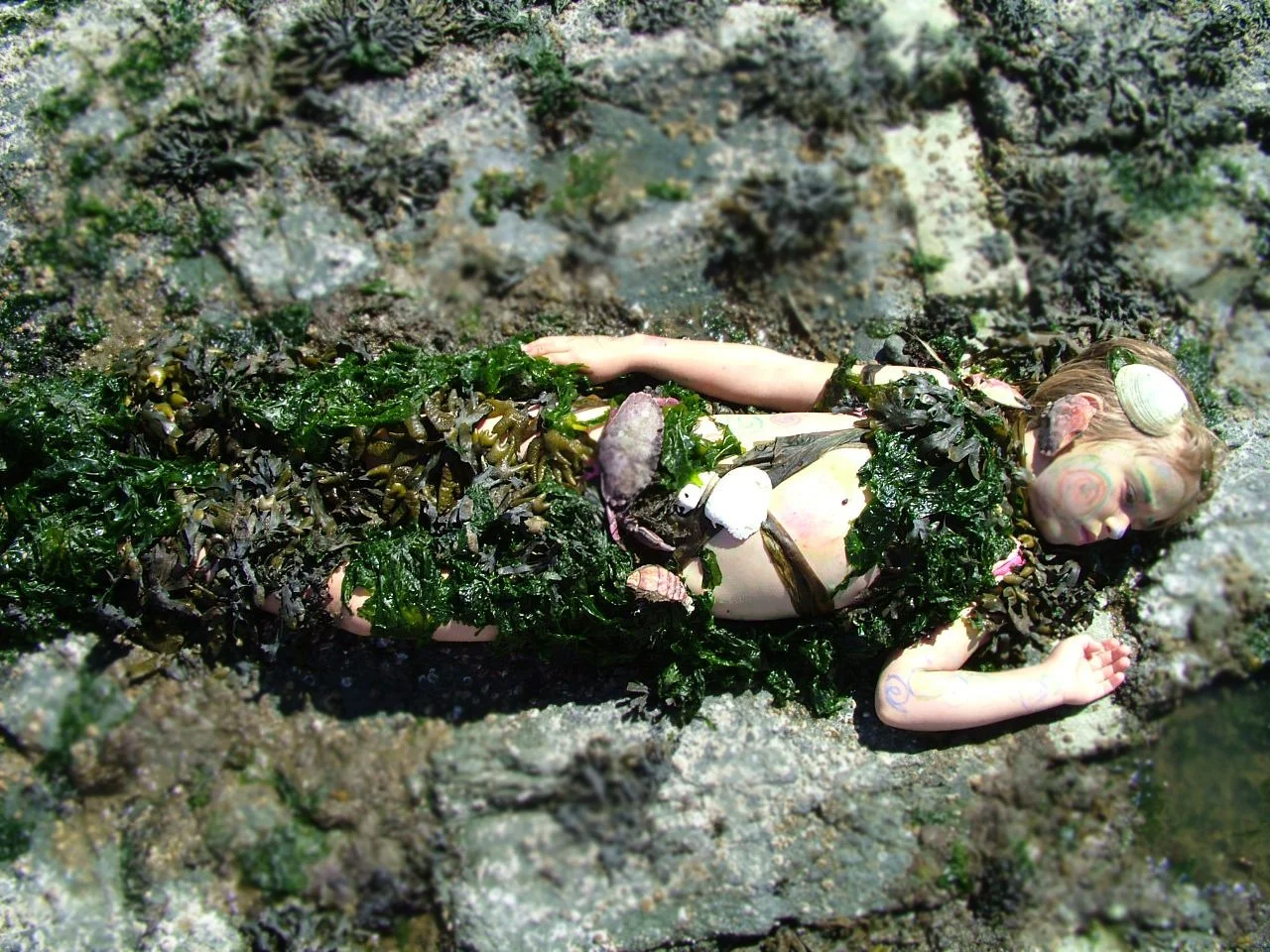
For over a decade, Naomi Fisher built worlds out of the world around her. She gathered Spanish moss from redwood forests, pressed natural pigments into her skin, wove redwood nuts into jewelry, and painted herself and her models into landscapes until the line between human and environment disappeared. She called it Nature Nymphs. She called it environmental art. But at its core, it was something older than either label: a practice of belonging.
Her work asks a single question, and then answers it through the body: what if we stopped pretending we were separate from the natural world?
The Redwoods
Of all the environments Naomi worked in over her decade-long practice, the ancient redwood forests of Northern California meant the most. There is a reason for that beyond the obvious beauty of the place.
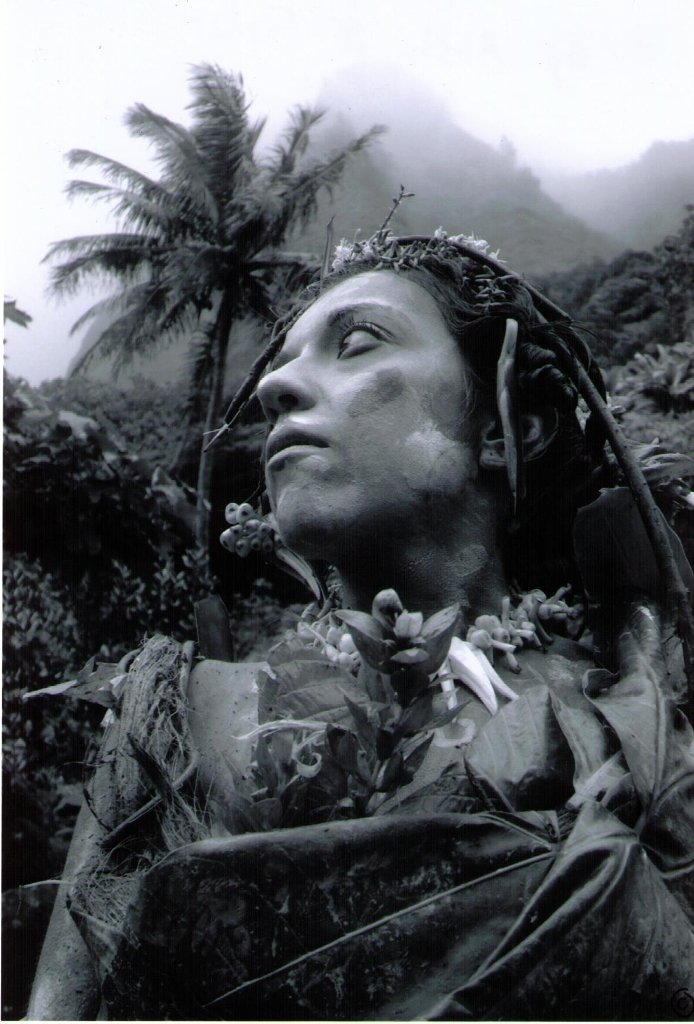
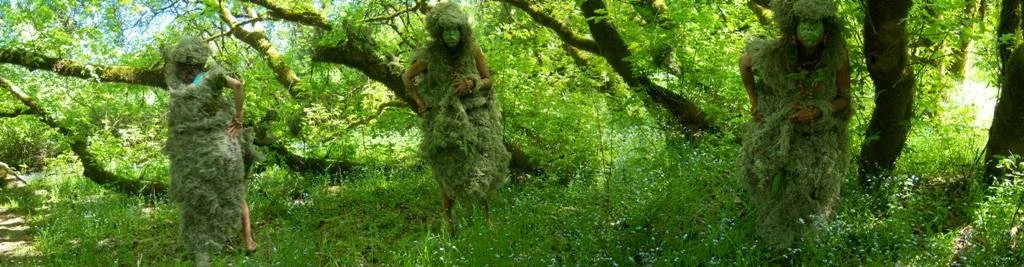
"The redwood happens to be my tree sign," she says. Like astrology, each person has their own tree. Naomi's drew her to the Felton and Santa Cruz area, where she spent a year creating shoots among old-growth trees that stretch, as she puts it, "as tall as the sky." She gathered lace Spanish moss from the trees and made a full costume from it: a dress, a hat, and a handbag strong enough to carry a bottle of water.
The choice of material was not incidental. The Indigenous peoples of the California redwood coast, including the Yurok, Tolowa, Hupa, and Karuk, considered the redwoods sacred living beings and used their resources carefully to maintain the balance of nature. The Spanish moss Naomi wove into her costume was known to some of these peoples as the hair of the redwood tree.
She also painted her skin with natural redwood pigments and chlorophyll liquid from a health food store. The science behind that choice carries its own weight: chlorophyll, the compound that makes plants green, shares a striking structural similarity with human haemoglobin. "The chlorophyll is the blood of the plant," she says. "Our blood contains chlorophyll. By putting it on my skin, I become the plant."
It felt, she says, like a shamanic experience. She became part of the environment she was in.
Becoming the Environment
The redwood series was one chapter in a practice that ran from 1999 to 2012, taking Naomi across continents and into cityscapes as well as forests. The work always began the same way: she would find materials in the environment, construct a costume, and then place herself or a model inside that landscape until the human figure began to dissolve into it.
Photography came first, and later she combined it with video. Not every shoot made it to YouTube, but her channel, Naturenymphs, holds a record of the practice across different environments and years.
The message running through all of it was simple and consistent: we are not visitors in the natural world. We are part of it. The work made that argument through the body rather than through words. Her influences run wide: myths and legends, Ancient Egyptian and Roman art, the spiritual traditions of indigenous cultures, and the eco-politics that make all of it urgent.
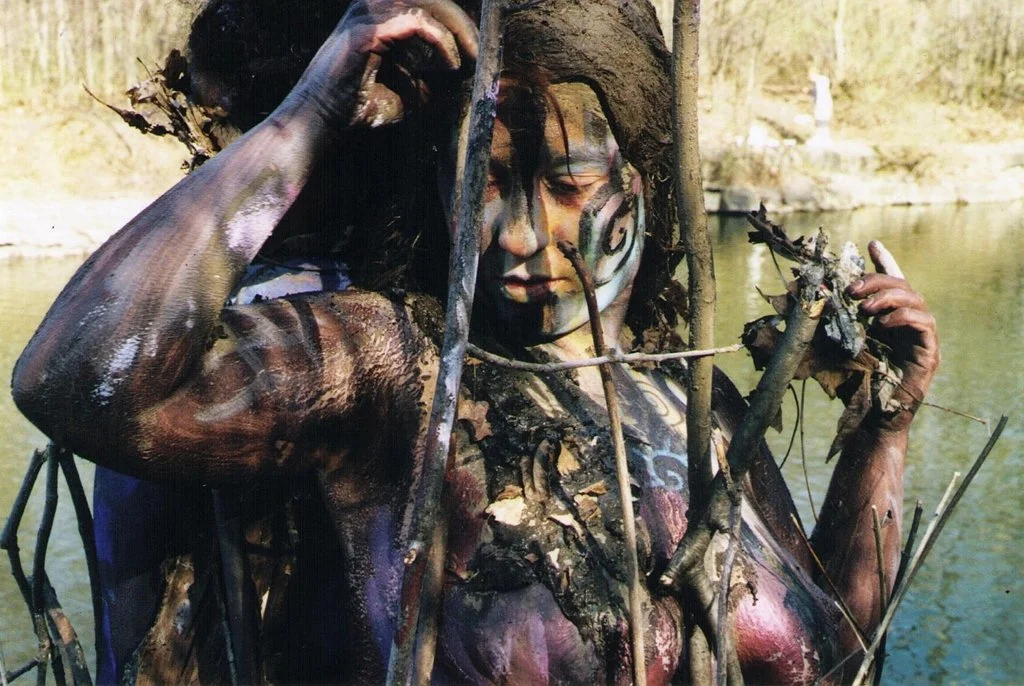
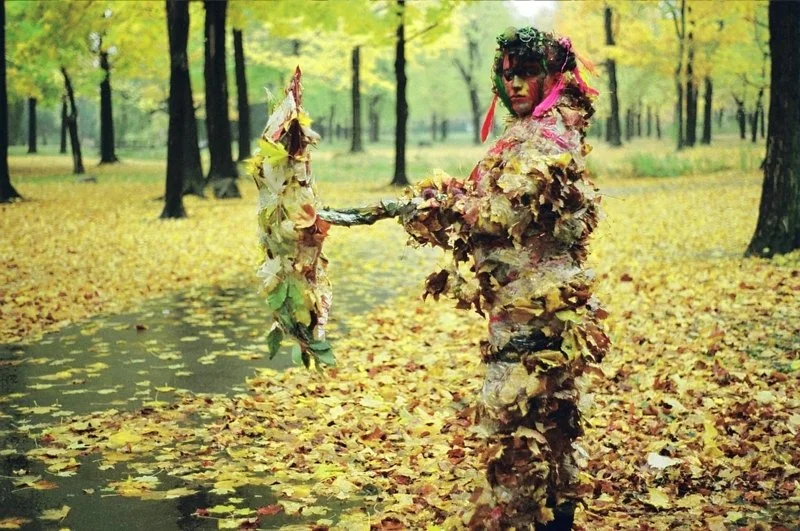
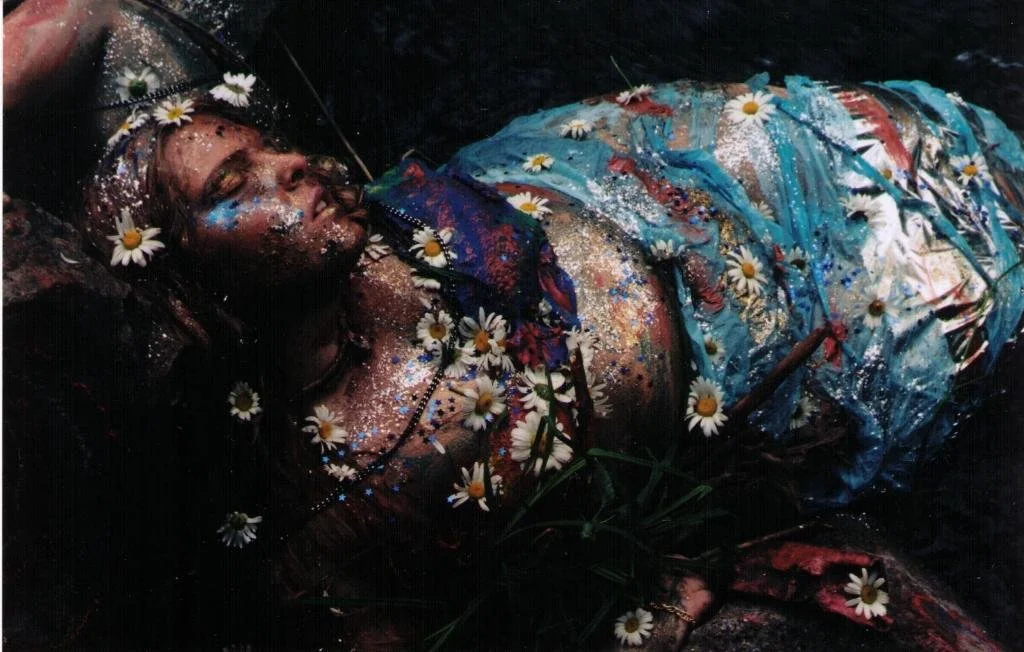
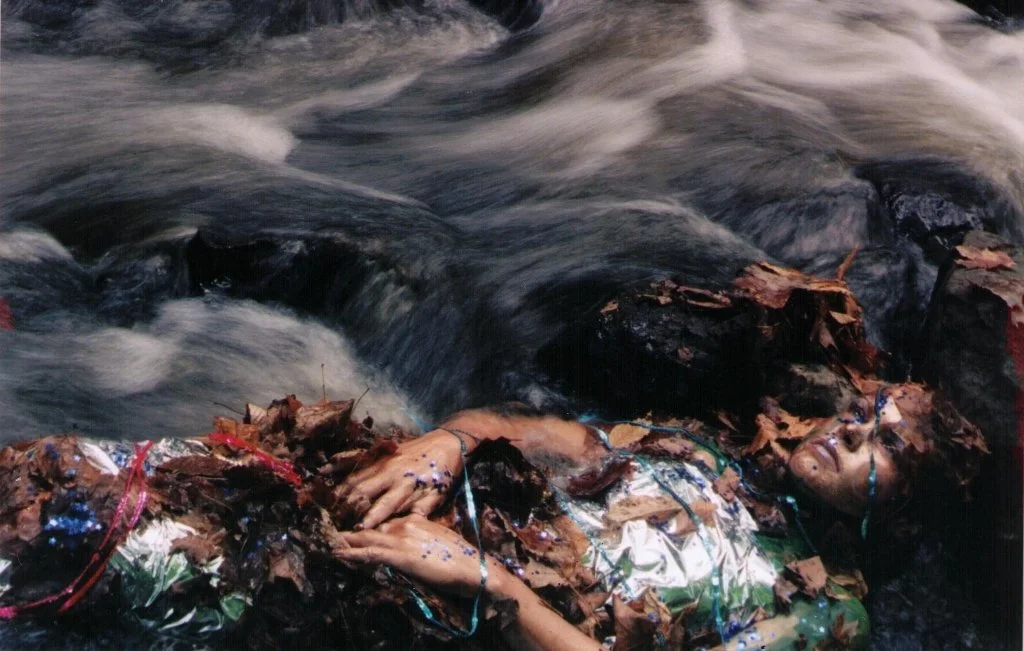
There is something else running underneath this work that is worth naming. Time in nature, walking in a forest, swimming in open water, moving barefoot on earth, has a measurable effect on the nervous system. What Naomi was doing intuitively through her environmental practice, immersing herself in landscapes, building costumes from the materials around her, pressing chlorophyll into her skin, was also a form of nature therapy before that phrase existed. For anyone whose nervous system finds cities overstimulating, the forest offers something the studio cannot. Researchers call it forest bathing. Naomi's work has always called it home.
Occupy
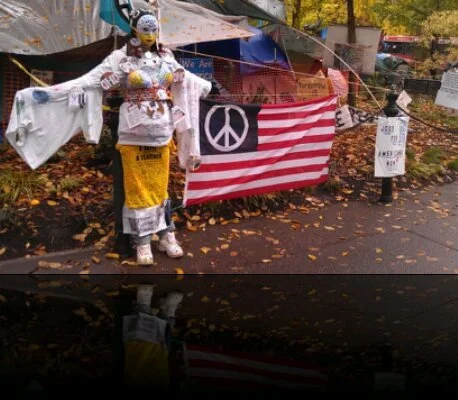
Alongside the nature work, Naomi brought her practice into political space. She was part of the Occupy Wall Street movement, creating costumes specifically for Occupy events and travelling to demonstrations across the United States and Europe. She invited people she met along the way to write on her Occupy costume, turning it into a document of the movement itself. The work was eventually shown in a gallery exhibition of the Occupy events she had attended.
It was the same instinct applied to a different environment: human bodies, collective action, materials gathered from the moment. The costume as witness.
Motherhood and the Pivot to Jewelry
In 2013, Naomi had her daughter. Raising a child, including one with a disability, shifted the shape of her practice without ending it. The large-scale environmental shoots gave way to something smaller and more portable: upcycled clothing and jewelry made from discarded materials.
The philosophy carried over exactly. A tree branch becomes a necklace. Copper wire stripped from an old television becomes a structural element. A burnt-out light bulb becomes a pendant. The materials are things that would otherwise be thrown away. The jewelry gives them a second life and, in doing so, makes the same argument the nature nymph work always made: nothing is separate from everything else. What we discard is still part of us.
Her current jewelry work also incorporates glass and semi-precious stones, alongside mixed-media self-portraits on paper. The practice continues to evolve, following the same instinct that has driven it from the beginning.
About Naomi
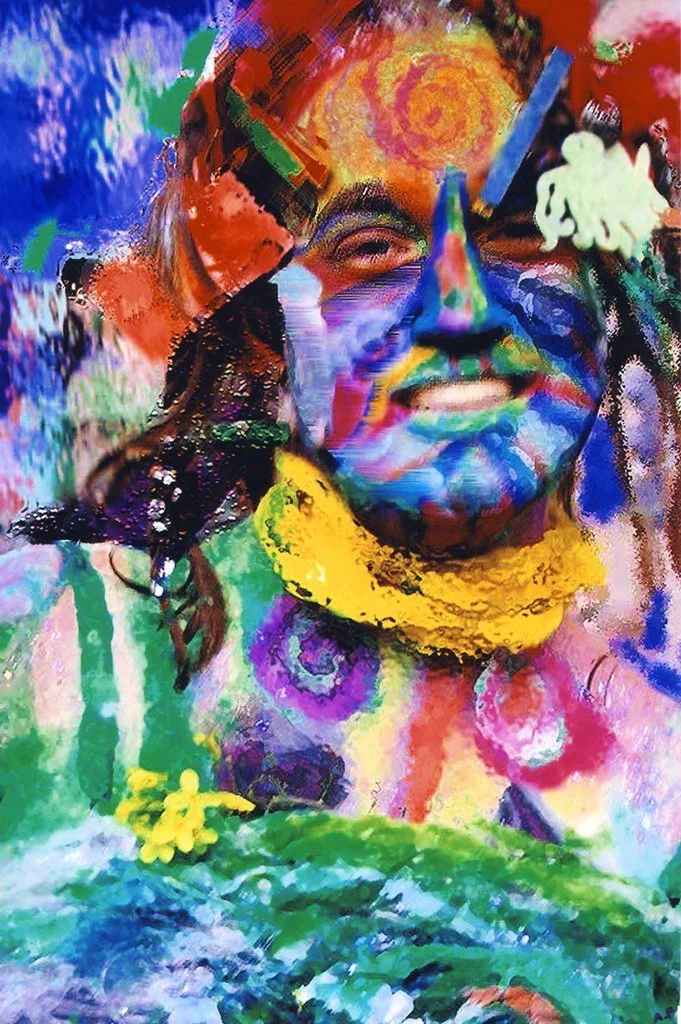
Naomi Fisher is a Canadian/American artist from Montreal whose decade-long Nature Nymphs series brought together costume-making, photography, and video to explore the relationship between human beings and the natural world. Working across the United States and Europe, she created costumes from found and foraged materials, blending herself and her models into the landscapes around them. Inspired by myths and legends, Ancient Egyptian and Roman art, indigenous cultures, and eco-politics, her jewelry practice extends that same philosophy, transforming upcycled and discarded materials into wearable objects inspired by nature and the cosmos. She is currently developing a new website for her work.
Follow on:
YouTube / LinkedIn / Model Mayham / Facebook
