
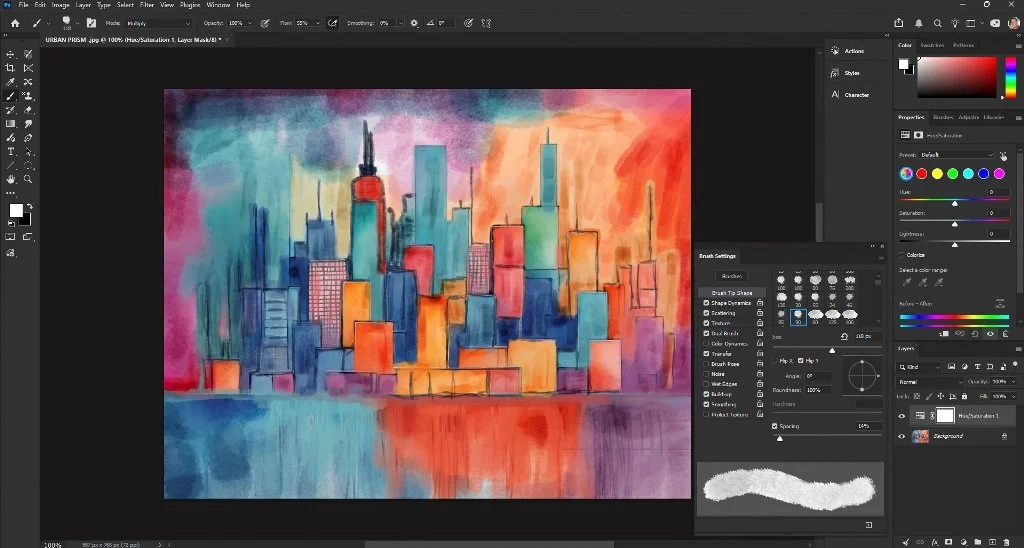
From Structure to Atmosphere: How I Build My Digital Art Prints
Australian digital artist Phillip J Gordon on his three-current process: urban geometry, floral watercolour, and abstract oils, and how Photoshop and Lightroom bring them together into large-format prints.
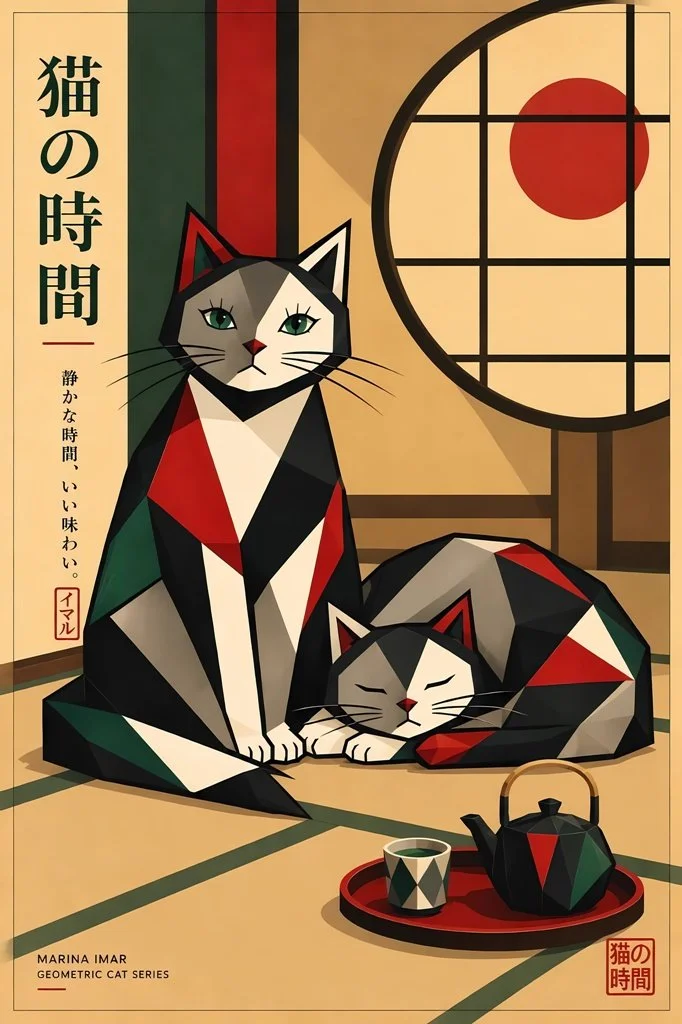
Cats, Geometry and a Little Imagination
Artist Marina Imar on her Avant-Garde Cats series, the digital project "A Cat's Time" (猫の時間), and using geometry to preserve the character behind every simple form.
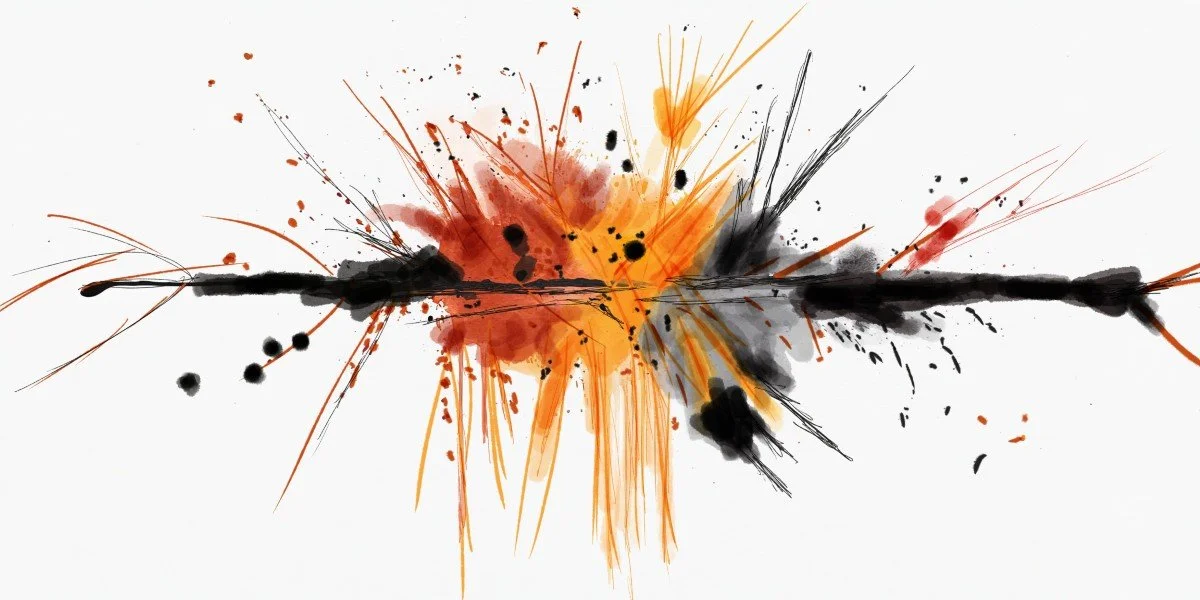
Bold Expressions: When Colour Becomes Courage
Australian digital watercolour artist Phillip J Gordon on his Bold Expressions series — where asymmetry, charged colour, and fluid unpredictability become a form of emotional honesty.
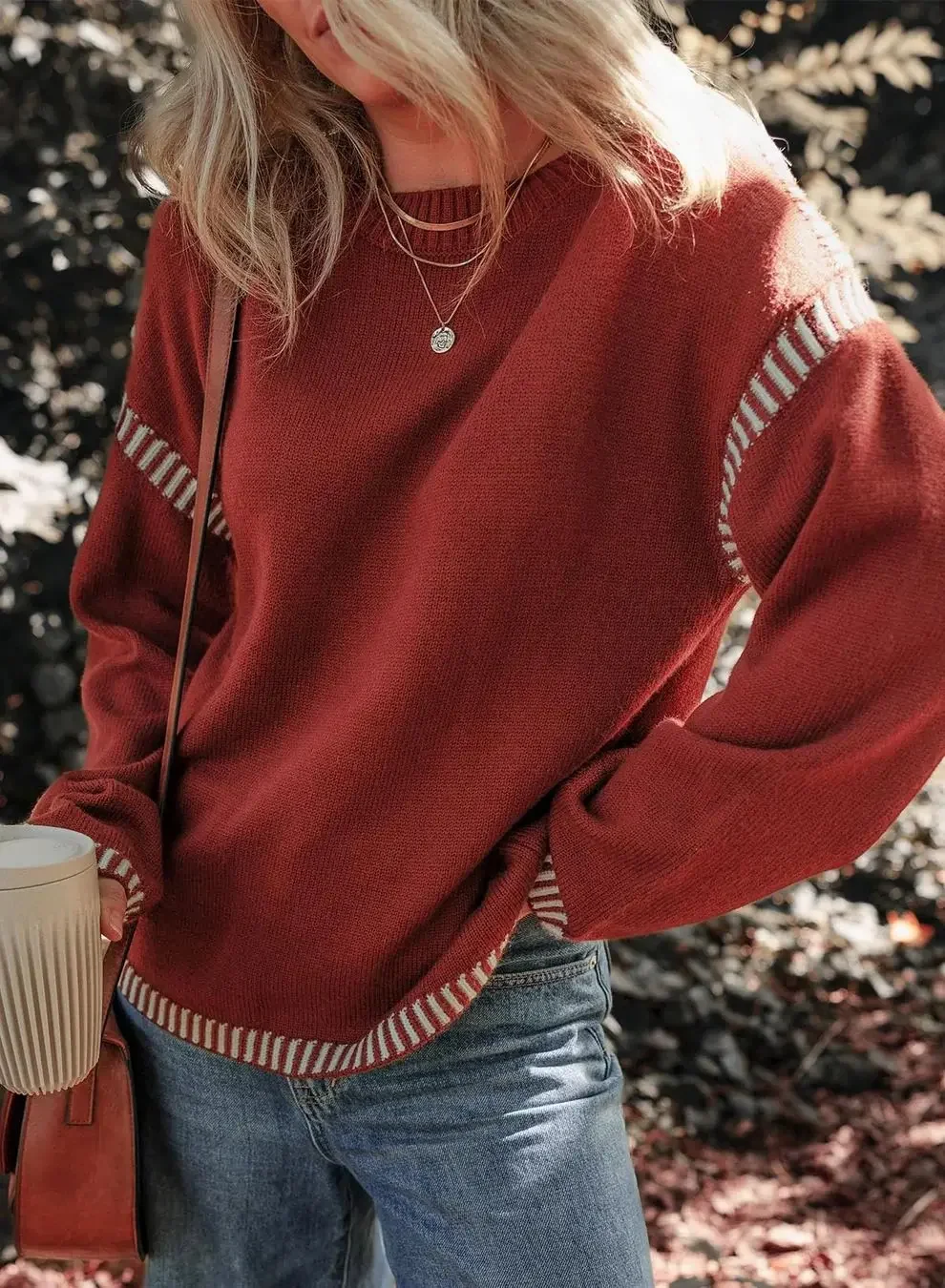
The Invisible Design Decisions That Make You Reach for That Outfit
The team behind Willow and Thread explores the invisible design decisions—from proportion to visual balance—that make your favorite garments feel effortless.
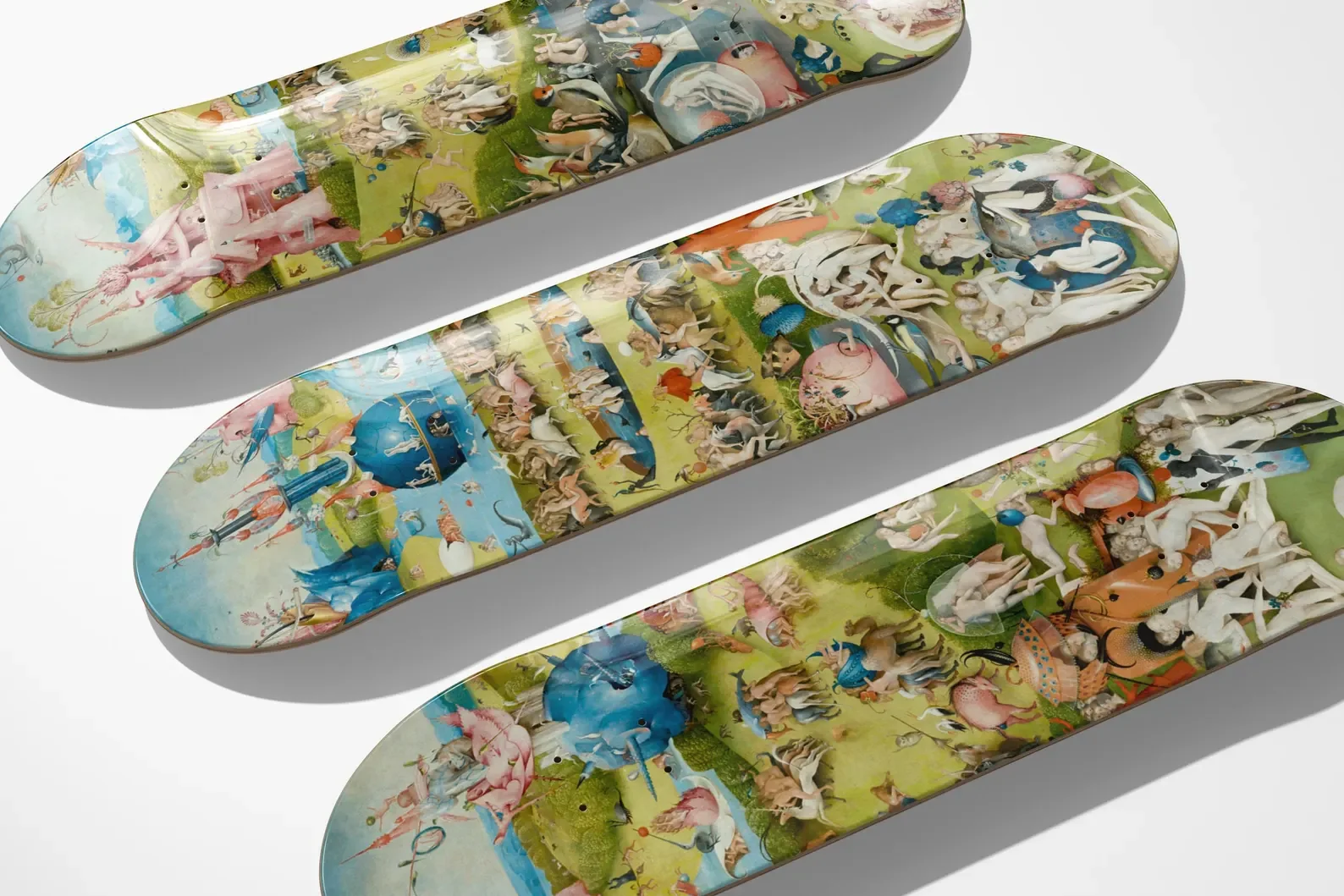
How Skateboard Art Became a Cultural Movement
From Tony Alva’s spray paint to $800,000 Sotheby’s auctions. Stanislav Arnautov breaks down how skateboard graphics evolved into museum-quality interior design.
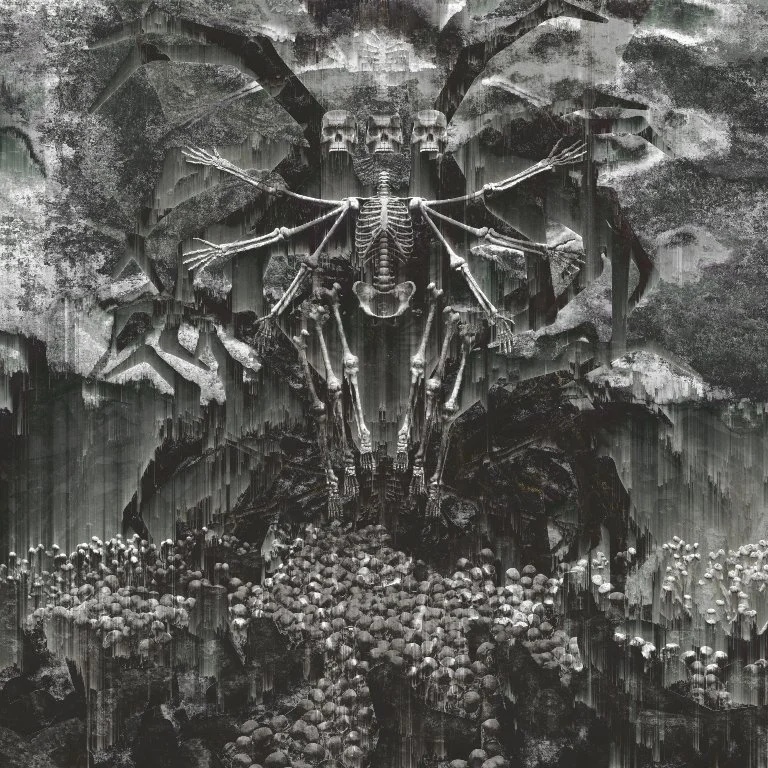
Digital Artist Charles Jawor on 3D Modeling, Glitch Art, and Dark Surrealism
How does a data-driven professional create apocalyptic art? Charles Jawor explains his transition from acrylics to 3D modeling, using math and physics simulations to create "painterly" digital decay.
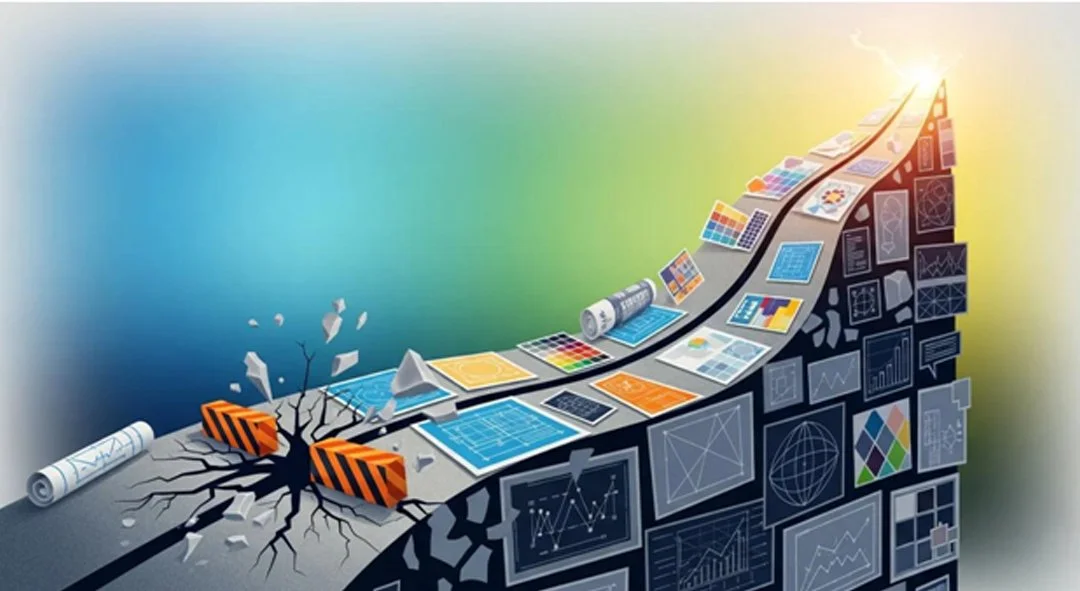
5 Design Roadblocks That Kill Creativity — and How Small Businesses Overcome Them
"It’s almost never a deficiency of your imagination. It’s a conflict of creative intent against real-world restrictions...Small businesses do not win by matching resources. They win by being deliberate with limits."
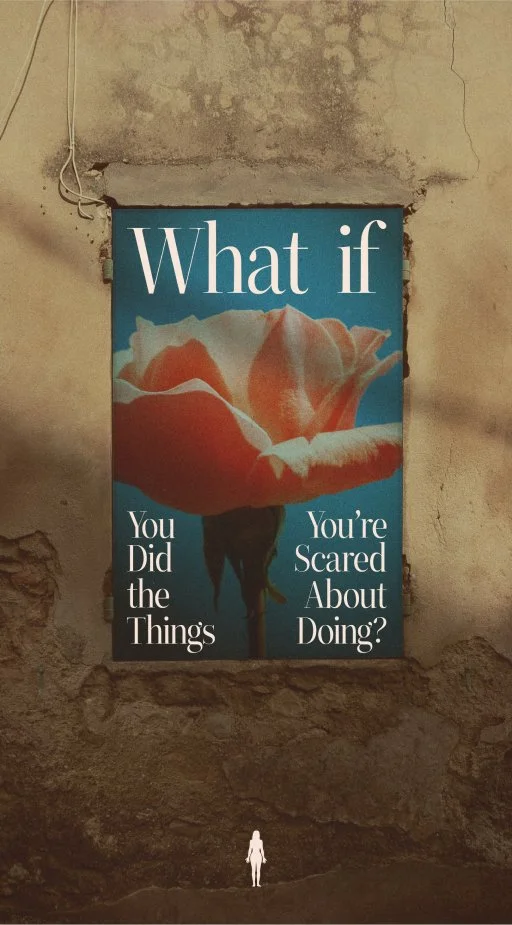
Creator Spotlight: The Surrealist Collages of Woman the Creator
Meet Woman the Creator, a Mexican-American artist fusing graphic design and surrealist digital collage to tell her story. See "The France Series" and discover her inspiring creative process.
When Type Speaks: The Expressionist Side of Branding
Inspiration often sparks from unexpected places, whether it’s comic books, movie screens, or even the cereal aisle. While most of my friends as a kid were captivated by the stories, heroes, or cartoon mascots, I always found myself also staring at something else: the logos and lettering that brought it all together.

Why “Minimum” and “Viable” Still Matter in Modern Product Design
When Airbnb first launched in 2008, it wasn’t a polished global platform. It was two founders renting out air mattresses in their apartment during a conference. No sleek UI, no sophisticated pricing models, no control systems, but just a scrappy website and the need to pay rent. But guess what? That simple experiment validated one powerful truth. People were willing to pay to stay in someone else’s home. That was their Minimum Viable Product that worked just enough to test the core assumption.
How to be Amazing at Graphic Design without being an Artist
I have never much been into art. Don’t get me wrong, I like looking at it and admiring it but I have never wanted to learn to be an artist myself. However through my work at Timeclock.Kiwi I have slowly become very good at making beautiful interfaces, icons and pictures and now regularly create new things that look great whilst still not being able to draw.