
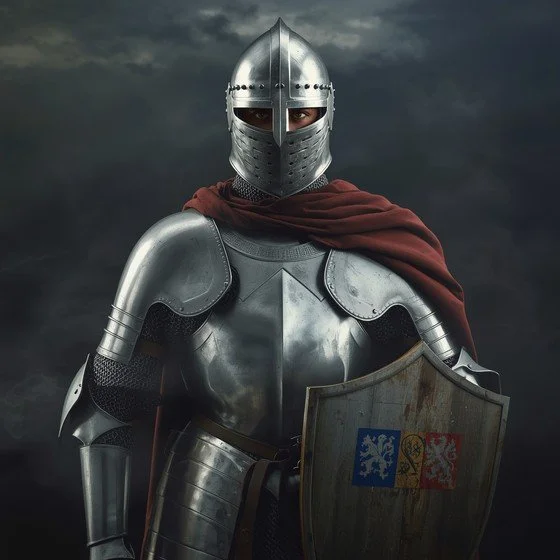
Four Mythic Figures, Four Lessons for Anyone Writing Noble Protagonists
INTRODUCTION
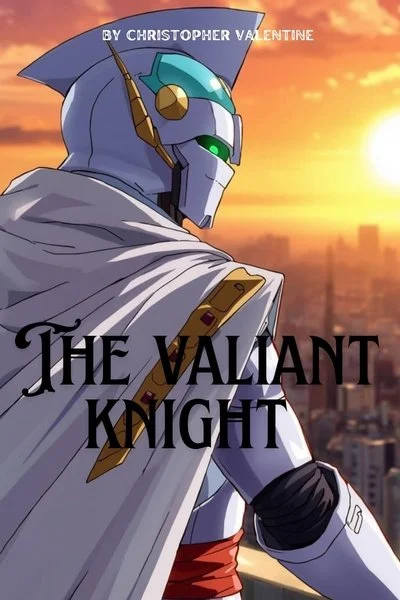
Hello again to everyone who takes the time to read my silly posts. As I've stated enough times already with my older posts involving Damara, The Valiant Knight, and aspirational heroes, I prefer my protagonists to be kind, noble, the kind of person you look up to, and mythic even.
I've given different examples of how these characters work and what makes them compelling to follow in a narrative. Still, for this post, I would like to shine light on some mythological knights, heroic figures, that I think would be a good source of inspiration for writers who have similar tastes to myself. And these aren't big names like King Arthur, Lancelot, or St. George because that would be too easy. Additionally, I think it's only fair to give the lesser-known knights from folklore/myth some respect too. When I began this project, I found a good bit more than I expected, so this might be my first multi-parter. I'm not sure when the rest will come out, but please have fun with this one. Lastly, I would like to urge all of you to not just take my word for it but also read the myths yourself.
SIR GAWAIN
Sir Gawain is one of King Arthur’s most famous Knights of the Round Table, best known as the protagonist of the 14th-century Arthurian masterpiece, Sir Gawain and the Green Knight. He is portrayed as the ultimate ideal of chivalry, a loyal nephew to King Arthur, and a warrior who is tested on his courage, chastity, and honesty.
This mythological figure would be an excellent inspiration for writers, seeking to find the humanity within more aspirational characters. For the longest time, one of the biggest criticisms of characters like Superman is that they're too perfect. However, Gawain shows us how even the most noble of individuals are fully capable of making mistakes. To keep a long story short, all throughout his narrative Gawain displays qualities of courage and virtue. But it was only near the end that he faltered, out of fear of failing the quest.
Still, it's what he does after his failure that shows his humanity and noble qualities. Gawain had the humility to admit he made a mistake, publicly wearing a symbol of his shortcomings. I've come to learn the hard way to never trust someone who doesn't openly apologize. Furthermore, the strongest people are those who can say, "I was wrong" without shame. And that in itself teaches another lesson: that failure isn't the end of the world.
SIR GALAHAD
Sir Galahad is renowned as the "perfect knight" due to his absolute purity, piety, and chivalry. The illegitimate son of Sir Lancelot, he is prophesied to be the only knight worthy of finding the Holy Grail.
In many ways, this knight is the exact opposite of Gawain. In both cases, each person begins in a state of purity of mind and spirit before embarking on a grand quest. However, unlike Gawain, who faltered near the end, Galahad actually succeeded in his mission. By the end of the journey for the holy grail, he passed all the tests and captured the treasure, proving his virtue above all the others.
So, suitably, he teaches a different lesson about character writing. Galahad shows that characters should have strong, perhaps rigid, beliefs that push the story forward. If it weren't for his stubborn adherence to his knightly ways, the grail quest would have ended shortly. Furthermore, his narrative also shows that having strong beliefs isn't worth anything unless they are challenged in meaningful ways—emphasized by the fact that he was an illegitimate child during a time period when that would be way less accepted.
Writers, you must clearly establish what your protagonist(s)' opinions are and craft the story around making obstacles that either undermine or obstruct them so when your hero perseveres despite the odds, it feels all the more rewarding.
SIR PERCIVAL
Sir Percival is one of the most well-known Knights of the Round Table in Arthurian legend. Known for his "holy fool" archetype, his story explores themes of childlike innocence, spiritual awakening, and the quest for the Holy Grail.
Percival is a very interesting case to take inspiration from. His archetype of the 'holy fool' provides several avenues for character writing. The most obvious one would be for comedic purposes, using his setup wisely for fish-out-of-water type humor, seeing that his story largely involves the consequences of him being raised in seclusion. However, my fellow writers, there is another more risky route you could take with this kind of character if you're brave enough, of course.
Instead of using his separation from the rest of the world solely for jokes/humor, one could play it more seriously. Have characters like Percival be unbiased critics/observers, letting him or her break down the setting they find themselves in free of the natural bias that would occur from living in the setting over a long period of time and being conditioned by its beliefs. In many ways it would be similar to Captain America waking up from the 40s to find himself in the modern day.
Additionally, this goes back to my earlier point about Galahad's strong belief. Since Percival is free from social conditioning, he will speak the truth from the way he sees it. If the setting is doing something right, then naturally he will defend it. Conversely, if it's doing something wrong, he logically would stand against it. In both cases it's easy to see how this would very easily rub certain individuals the wrong way, creating natural drama. And natural drama with no easy fixes, my friends, is when storytelling is at its sweetest.
SIR TRISTAN
Sir Tristan (often Tristram) is one of the most tragic heroes in Arthurian literature. Renowned as a skilled warrior, hunter, and musician, his narrative is a classic doomed romance that rivals Romeo and Juliet.
This knight might be my favorite out of the bunch so far. I am a sucker for a good epic romance. His story would provide good inspiration for those writers looking to explore themes of love and sacrifice. Furthermore, his story is a doomed or tragic romance. There's no better way to tug at an audience's heartstrings than to see the possibility of two good people falling in love just to have them ripped apart.
Again, I must urge you, dear reader, to look over his story yourself to get the full grasp of the character.
Thank you.
Lastly, I would just like to thank everyone who read this post to its conclusion. I can only hope that I helped you with your hero stories.
About the Author:
Christopher is a returning contributor to Feeling Creative?. He is a proud fantasy and sci-fi author from Jamaica who adores the works of J.R.R. Tolkien. Visit his website.
Read his previous posts: Here
Patreon: Christopher297
