A Creative Perspective on Travel Photography
We’ve all done it. You arrive at a famous landmark…the Eiffel Tower, the Grand Canyon, Niagara Falls, the Colosseum—and you instinctively reach for your phone. You snap the picture that proves you were there.
There is nothing wrong with that. We all want the memory (especially if you want to be IN the photos).
But I’ve learned that the "proof of life" photo is rarely the one that ends up on my wall. The photos that stick with us aren't the ones that show what a place looks like; they are the ones that show what a place feels like.
For the best photos, see less like a tourist and start seeing more like an artist.
A note on gear: Most of these techniques apply whether you're shooting with a mirrorless camera or a phone. Modern phone cameras handle travel photography remarkably well. The eye matters more than the equipment.
Look Down (and Up)
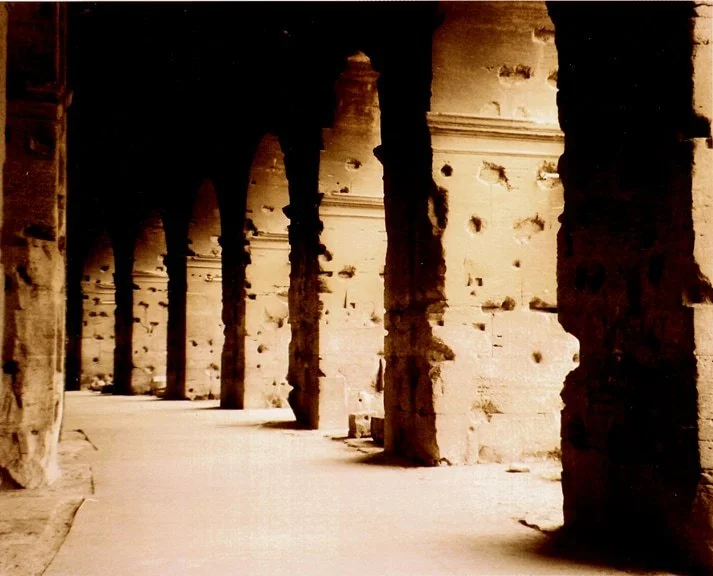
Most people experience the world at eye level. That’s why most travel photos look exactly the same, like a postcard...but are postcards usually creative? No. And that’s why you’ll often see creative photographers laying down or in odd, uncomfortable positions…doing what they need to do to GET THE SHOT.
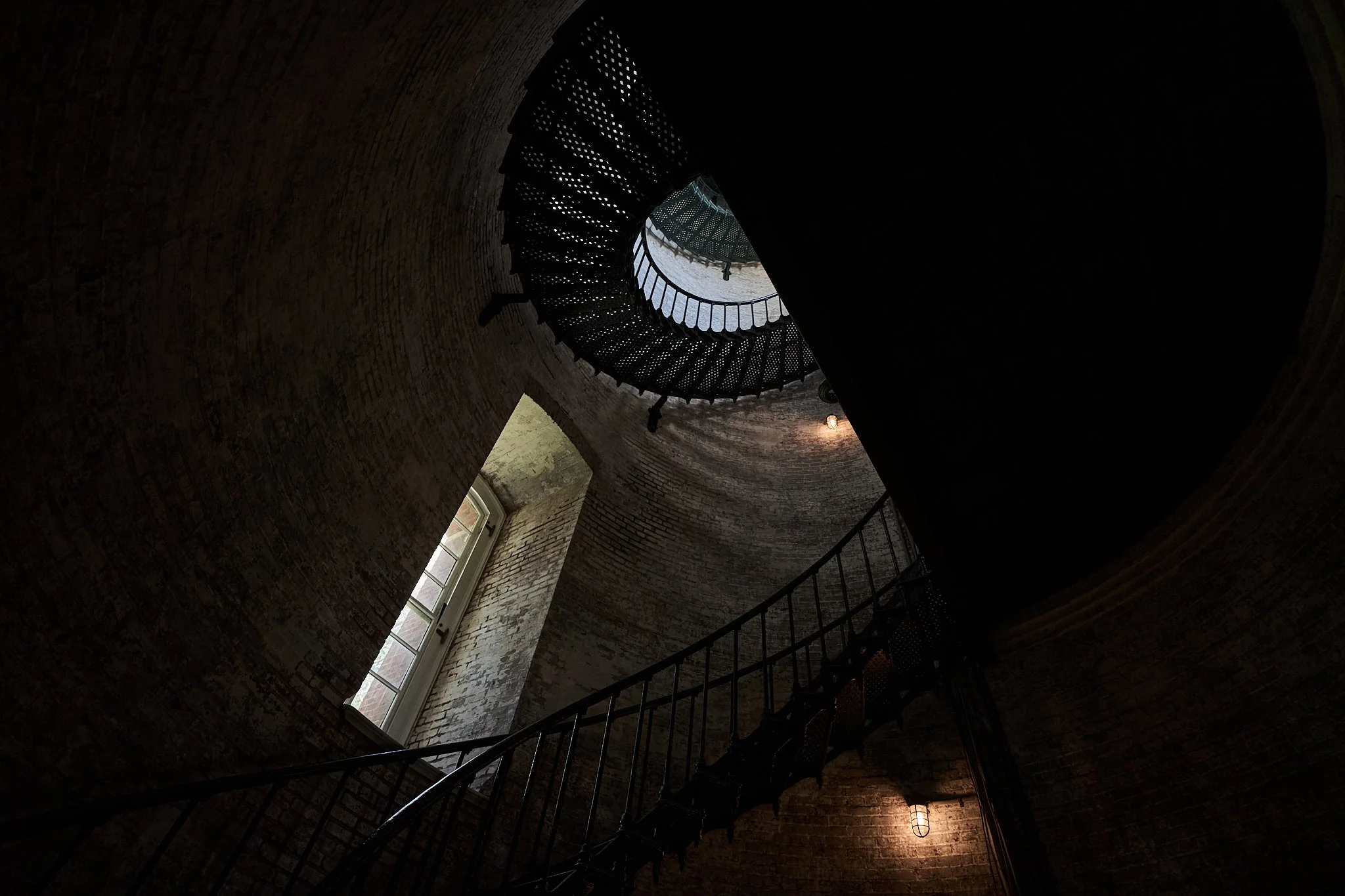
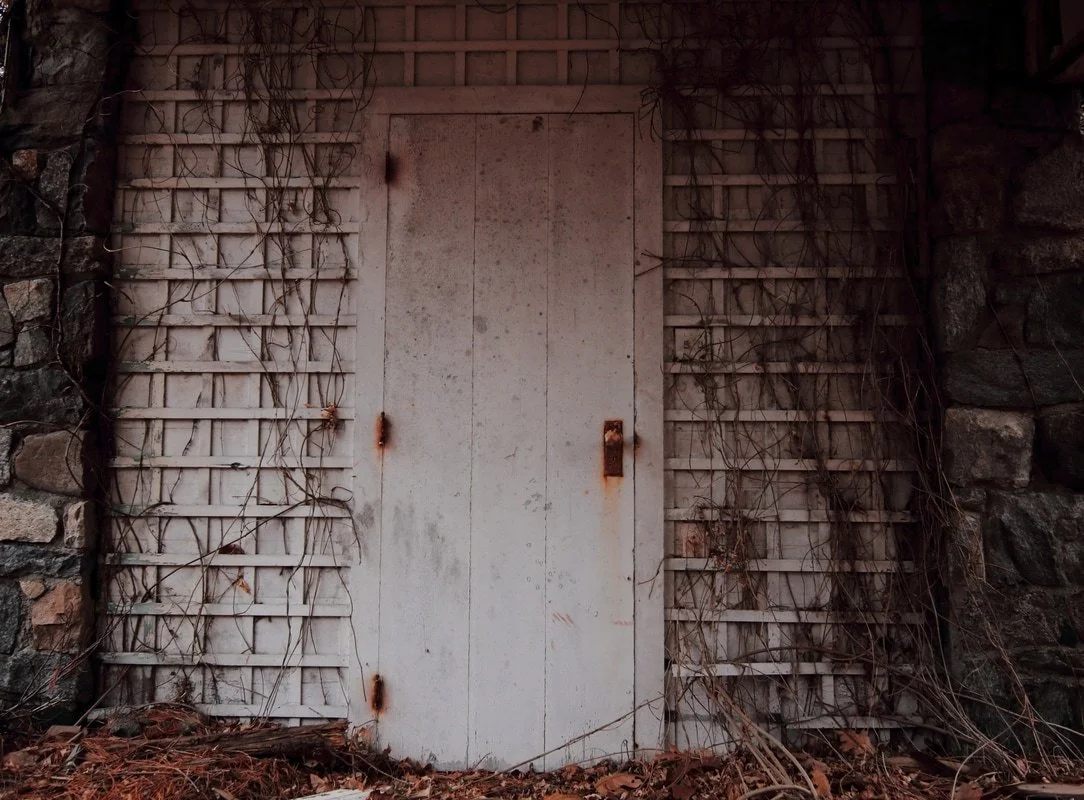
When I’m exploring any area for the 1st time, I’m constantly scanning all around me. Look at the textures of the cobblestones under your feet. Look at the way the telephone wires cut across the sky. Look for the peeling paint on a doorframe or the rust on a bridge.
These textures are what’s interesting to me, they tell a better story than a generic wide shot of whatever famous landmark you are visiting (and have seen pictures of 100’s of times before).
Chase the Shadow, Not Just the Light
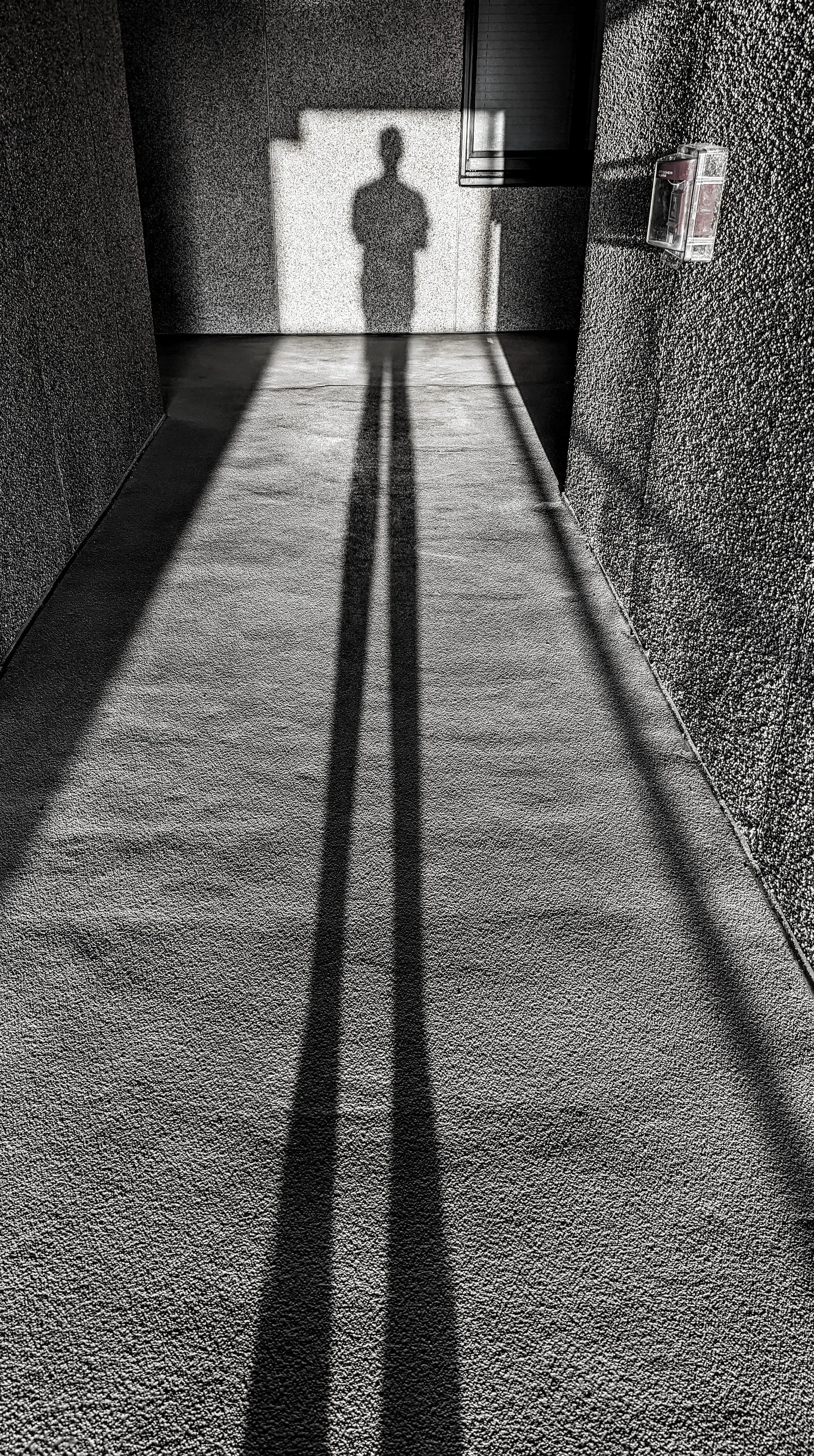
We are taught that "good lighting" means bright, even, sunny days. But that’s boring.
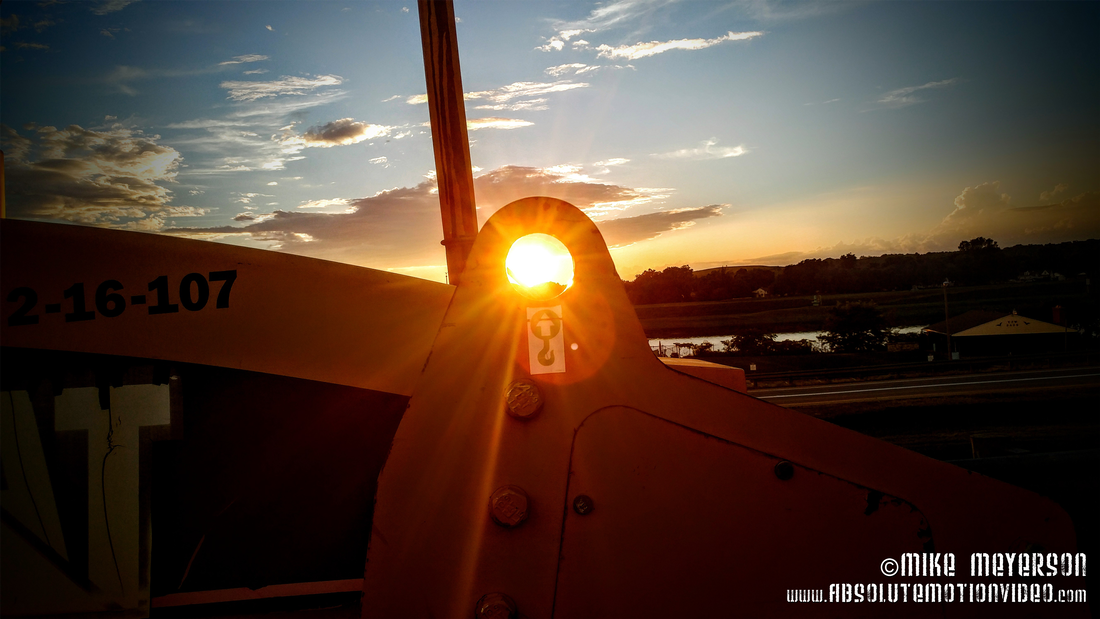
I love shooting when the sun is bright, casting harsh shadows. I love shooting in the rain when reflections turn the pavement into a mirror. Don't put your camera away when the lighting gets "bad." That’s usually when the drama happens. Use the shadows, be creative.
Capture the Atmosphere, Not Just the Architecture
A building is basically just a pile of rocks until you capture it’s character. Instead of trying to fit the entire cathedral in the frame, maybe focus on the candle flickering in the corner…find it’s soul. Like street photography? Instead of the whole market, focus on the guy in the corner wrapping a package….find a snippet that makes it more interesting.
You aren't just trying to document the location; you are trying to capture the authentic travel vibes that make the city unique, from the morning light on the cafe tables to the chaos of the evening rush hour.
Get Off the Beaten Path
The main tourist traps are great for postcards, but they aren’t exactly great for unique photography. I always try to explore areas that are "off the beaten path."
Walk two blocks away from the crowd. Turn down the quiet side street. Visit the areas outside the big busy tourist traps. Find the neighborhood where actual locals live and work. That is where you find the authentic moments…you’ll find the shots that feel real because they are real.
The People in the Frame
Street portraits are some of the most powerful travel images you'll ever take, and also the ones most people avoid because they don't know the etiquette.
The simple rule: make eye contact first. A nod, a smile, a gesture toward your camera. Most people will either wave you off or smile back. Both are honest answers and both are worth respecting. The ones who say yes with their eyes usually give you something real. The ones you shoot without asking usually look like it.
You don't need to speak the language. The universal "may I?" gesture translates everywhere. If someone says no, move on without making it weird. And use common sense: if someone looks like they want to be left alone, they do. Don't push it, don't hover, don't be the tourist with the camera who makes locals dread tourists with cameras. The best street photography comes from blending in, not standing out.
One more thing: be aware of your surroundings. In busy tourist areas especially, having your camera out and your attention locked in the viewfinder makes you an easy mark. Stay present, keep your gear secure, and know when to put it away.
The "Wait and See" Method
This is the hardest one to master because it requires patience.
When you find a beautiful composition, a perfect alleyway, a striking doorway, a beam of light…don’t just snap it and walk away. Wait. Give it a minute.
Frame the shot and wait for the "human element" to walk into it. Wait for the person with the red umbrella. Wait for the cat to jump on the ledge. Wait for the old car to drive past.
This moment is decisive; it’s the split second where the geometry of the scene and the humanity of the moment align. You can't chase it; it just happens (hopefully, and sometimes by accident).
Shoot More Than You Think You Need
This one goes against the instinct to be selective in the moment, but pros shoot in sequences, not singles. When you find a composition that works, shoot it five times. Ten. Let the subject shift, let the light change slightly, let someone walk through the frame. You're not being wasteful, you're giving yourself options in the edit.
The decisive moment rarely announces itself. You recognize it after the fact, when you're going through the frames and one of them just stops you.
Edit With Intention
How you edit your travel photos matters as much as how you shoot them. The temptation is to treat every image differently, throwing filters at things until they look dramatic. The result is usually a collection that feels scattered, like it was shot by five different people in five different moods.
Pick a general direction and stick with it. Cooler tones, warmer tones, high contrast, film-style. Whatever fits the place and your eye. When your travel photos feel like a cohesive body of work rather than a random dump, they become something you'll actually want to look at ten years from now.
And resist the urge to fix bad light in post. If the light wasn't there, the photo probably wasn't there either. Move on and shoot something else.
Put the Camera Down
This might sound odd, but it’s the most important rule. You can’t photograph something you haven’t really seen.
Walk. Listen. Absorb the location. Once you take it all in, you’ll know exactly what to shoot…it’ll grab your attention, if you’re lucky.
So, on your next trip, take the selfie. Send it to your mom. But then, take a breath, look at the light and textures, and start creating.
Author Bio:
Mike Meyerson is a photographer, video producer, and the founder of FEELING CREATIVE?, and he believes the best photos are found in the details.
Follow me on INSTAGRAM
Read Mike’s other articles - HERE.