
My Voice Became My Keyboard — But the Writing Was Always Mine
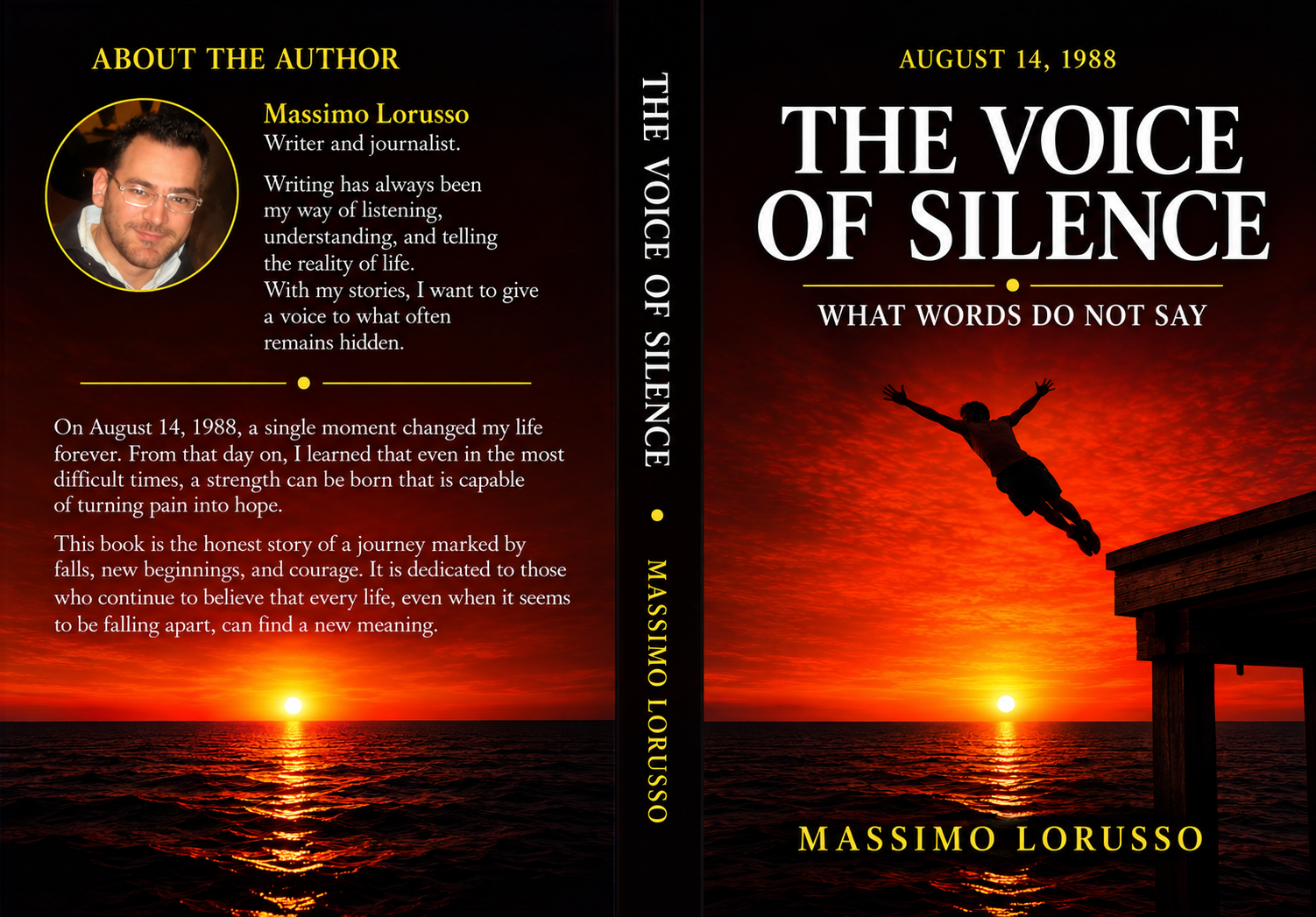
Author Spotlight: Massimo Lorusso
I often know that a sentence is wrong before I can explain why.
I dictate it. I hear it back. Something is too heavy, too neat, too
far from what I actually meant. So I delete it and begin again.
Then again.
For many writers, revision happens through the hands: fingers moving
across a keyboard, a pen crossing out a line, a page covered with
arrows and corrections. My process is different. I live with
tetraplegia and I cannot use my hands in the ordinary way required to
type. My voice has therefore become the bridge between thought and
page.
But the bridge is not the author.
That distinction matters to me.
I started writing in 1993, long before current voice technologies
became as flexible as they are today. What has changed over the years
is the mechanism through which words reach the page. What has not
changed is the work that comes before and after: deciding what
deserves to be said, choosing the tone, rejecting weak phrases,
remembering exactly how something felt, cutting what is unnecessary
and refusing sentences that sound impressive but are not true to me.
Dictation can make writing look deceptively immediate. It is not.
Speaking a sentence aloud does not make it finished. Sometimes it
exposes its weakness more brutally than typing would. When I hear my
own words, I can tell when the rhythm is false. I can hear repetition.
I notice when a sentence has become too polished and has lost the
rough edge of the memory behind it.
So I stop.
I change one word.
I move a paragraph.
I dictate the line again.
This can happen many times before I allow a sentence to remain.
People sometimes confuse the physical act of entering words with
authorship itself. I understand why. For centuries, the image of a
writer has been tied to the hand: the hand holding the pen, turning
the page, striking the keys. But authorship has never lived in the
fingers. It lives in selection.
A camera does not decide where a photographer should stand. A guitar
does not decide which note a musician means to play. A microphone does
not invent the singer’s breath. Tools can extend a person’s
possibilities, but they do not replace intention.
Voice technology works the same way for me.
It gives my thoughts access to the page.
It does not decide which thoughts are mine.
That difference has become even more important in the age of
artificial intelligence. I use technology because without assistive
technology many ordinary creative actions would be physically
inaccessible to me. But assistance is not the same as surrendering
authorship. If a tool helps me transcribe, organise or physically
produce text, the decisive questions remain human: Is this what I
mean? Is this how I would say it? Does this sentence belong to my
experience? Should it stay?
My writing is especially dependent on memory. Much of my work grows
from lived experience: family, work, physical dependence, autonomy,
relationships, loss, travel, bureaucracy, humour and the strange
details that survive when larger events fade.
Memory does not arrive as a clean manuscript.
It arrives in fragments.
A voice. A room. A smell. A sentence somebody said decades ago. A
silence that meant more than the conversation around it.
My job is to shape those fragments without making them artificial.
That is where writing begins for me.
Not when the software recognises my voice.
Not when words appear on a screen.
Writing begins when I decide what the memory means now, and when I
find the language that can carry it without betraying it.
There is also something unexpectedly useful about composing by voice:
language becomes physical in a different way. I hear cadence before I
see structure. I notice where breath naturally falls. A paragraph that
looks acceptable on screen may sound completely wrong when spoken
aloud.
In that sense, losing the ordinary use of my hands did not remove the
physical dimension from writing. It changed it.
My body is still part of the process.
Only the instrument is different.
After more than three decades of writing, I no longer think of voice
technology as a substitute for a keyboard. It is simply part of my
craft.
The sentence still has to survive the same test every writer knows.
Does it say what I actually mean?
If the answer is no, I start again.
AUTHOR BIO
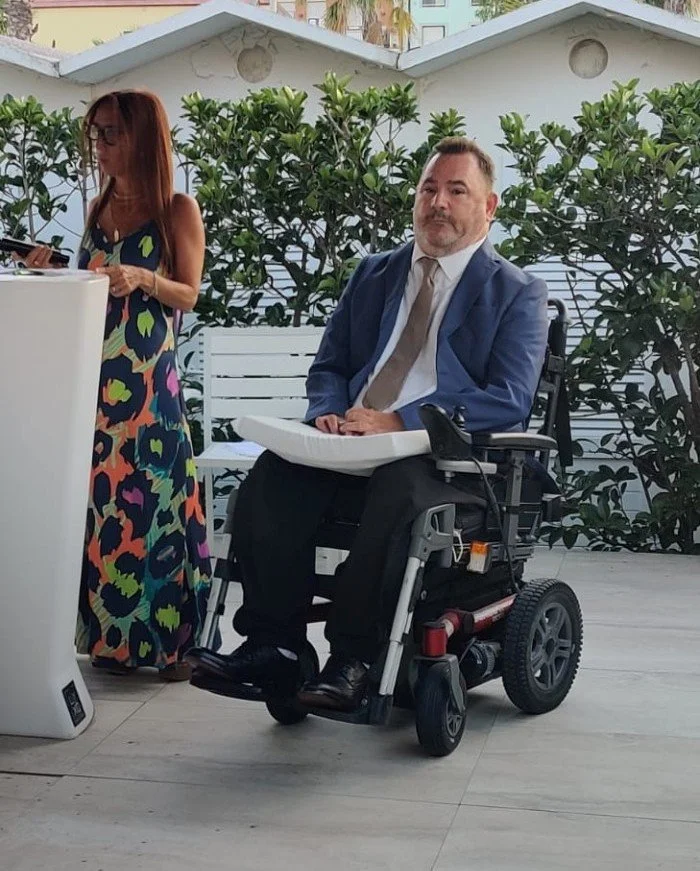
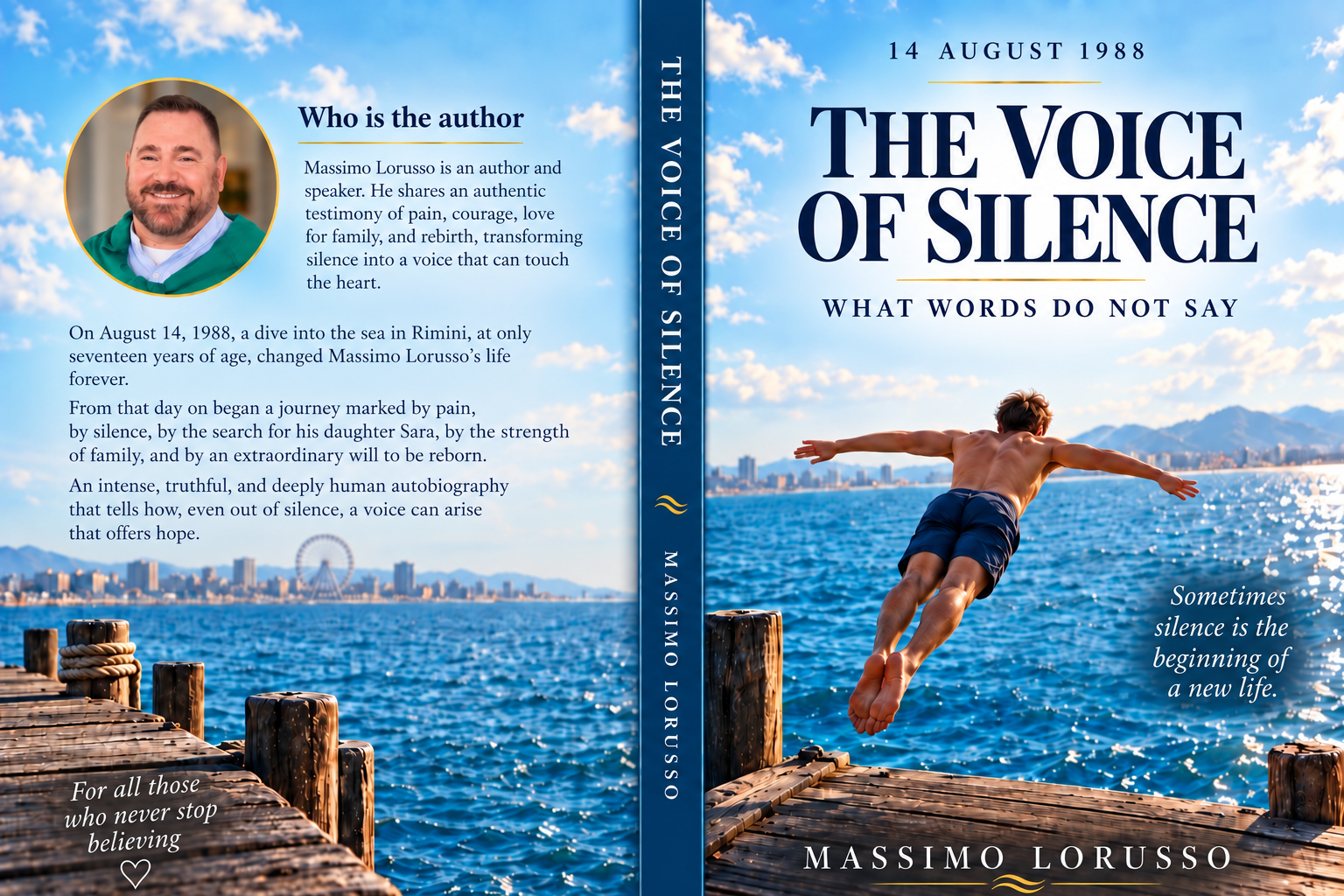
Massimo Lorusso is an Italian author and journalist based in Milan. He has been writing since 1993. Living with tetraplegia, he uses voice and assistive technology as part of his writing process. His autobiographical book, “The Voice of Silence – What Words Do Not Say,” explores autonomy, family, dependence, memory and the long life that continues beyond a life-changing event.
Visit his Website
Check out his book on Amazon
