Feeling Creative? Site News
If you clicked a link looking for the old Artist Archive database, welcome. You haven't taken a wrong turn.
ArtistArchive.com was, for years, one of the web's most reliable reference destinations for students, researchers, and creatives hunting for high-resolution prints, biographical information, and catalog references for the historical masters. It specialized heavily in the Dutch Golden Age, with particularly deep coverage of Rembrandt van Rijn and Albrecht Dürer, two artists whose influence on Western art history is essentially impossible to overstate. For anyone studying printmaking, etching, or the development of portraiture, it was a genuinely useful resource.
Like many great projects from the early web, the servers eventually went quiet. The database went dark. Only the old backlinks and citations remained, scattered across academic papers, art school syllabi, and research blogs that still point here expecting to find something.
We couldn't let a great name, and a great mission, just disappear. So we acquired the domain to give it a new home here at Feeling Creative? While we aren't hosting the original database, we are continuing the spirit of what it was: helping artists, designers, students, and researchers find the inspiration and reference material they need.
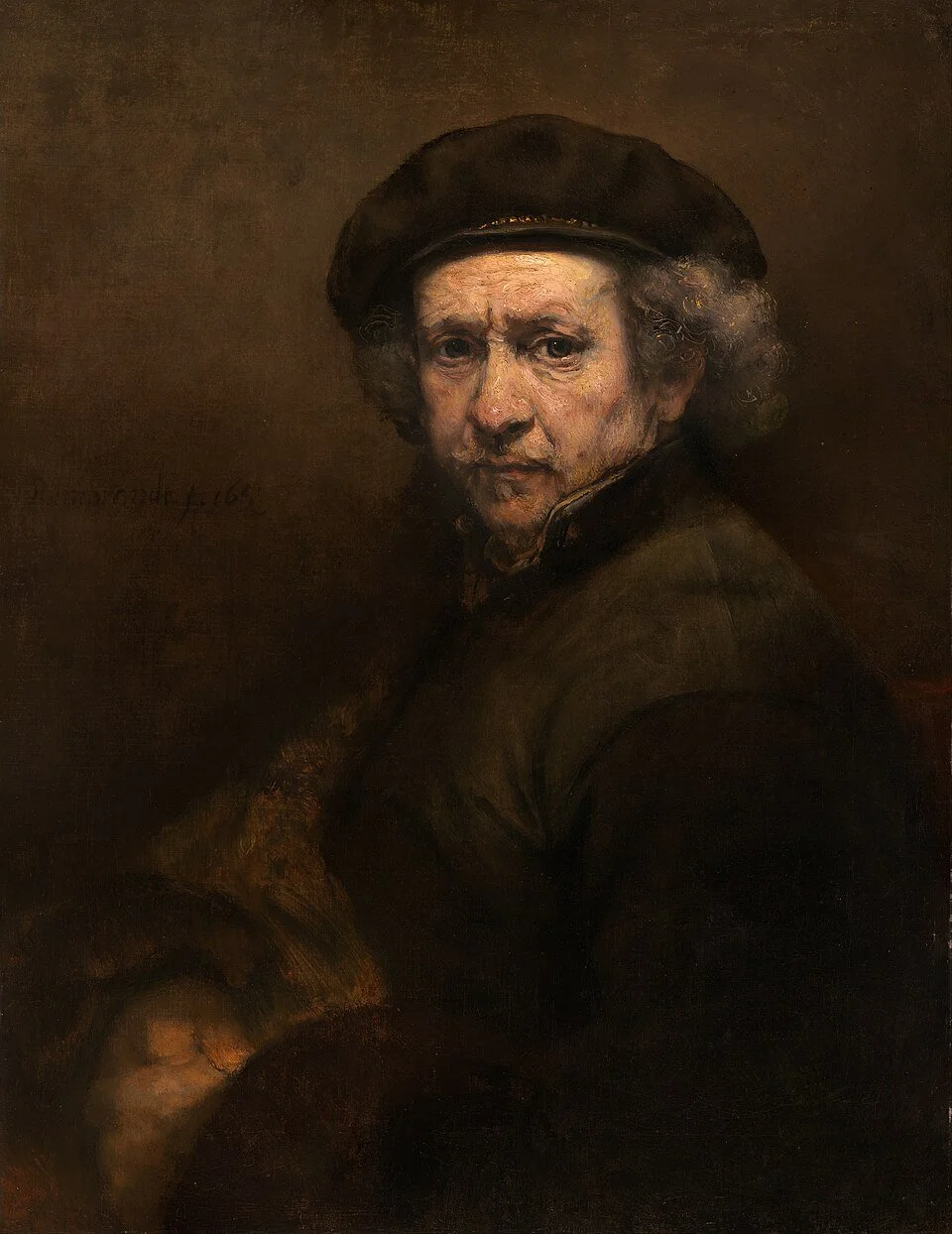
Rembrandt, Self-Portrait - 1659
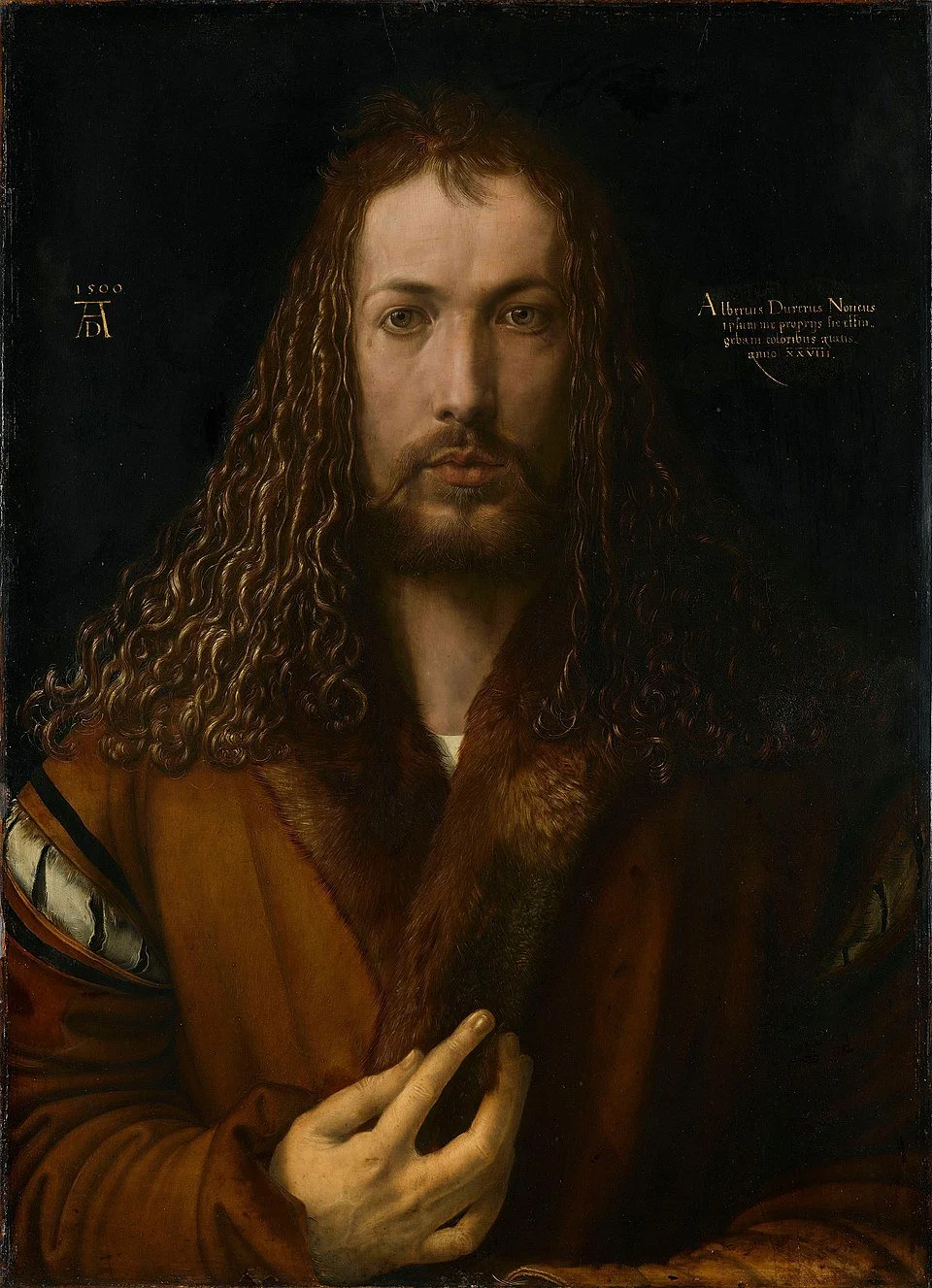
Albrecht Dürer, Self Portrait - 1500
Top 3 Digital Archives for Classical References
Since the old database is retired, you can find high-resolution, public domain replacements here.
1. The Met Collection (Open Access)
The Metropolitan Museum of Art has released over 400,000 images under Open Access, meaning you can download high-resolution scans of etchings, woodcuts, paintings, and prints completely free for any use. For Dutch Golden Age coverage specifically, their Rembrandt holdings are exceptional, including prints, drawings, and paintings with full catalog information. It's arguably the strongest modern replacement for what ArtistArchive did best. Search The Met Collection
2. The Rijksmuseum Open Data (Rijksstudio)
Given that ArtistArchive specialized heavily in Rembrandt and Dutch Golden Age work, this one is the most directly relevant replacement on the list. The Rijksmuseum in Amsterdam has digitized over 700,000 works from its collection and made them freely available through its Rijksstudio platform. The Rembrandt holdings alone are extraordinary: paintings, etchings, drawings, and workshop pieces with detailed provenance and catalog information. If you came here specifically for Dutch masters research, start here. Browse the Rijksstudio
3. Art Institute of Chicago Digital Hub
If you were looking for Impressionist works or broader European art history, Chicago is exceptional. Their collection filtering system is one of the best of any museum's digital platform, making it easy to narrow by medium, period, artist, or style. Particularly strong for works that bridge the Dutch Golden Age tradition into later European painting. Browse the Chicago Collection
4. WikiArt (Visual Art Encyclopedia)
For pure volume and speed, WikiArt is the closest thing to a spiritual successor to the original Artist Archive. It's community-edited, holds over 250,000 works across 3,000 artists, and covers everything from medieval illuminated manuscripts to contemporary painting. Less academically rigorous than a museum database, but faster to browse when you need a quick reference or a spark of inspiration. The search and filtering tools are genuinely useful for discovering lesser-known works within a familiar artist's catalog. Explore WikiArt
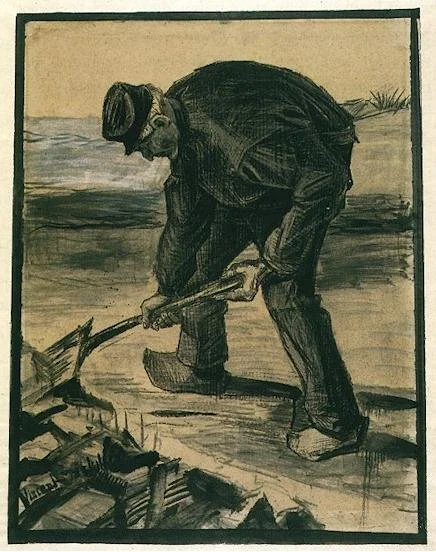
Van Gogh, Digger 1882
The New Mission: Creativity for Today
The masters are worth studying because they solved problems that creative people still face: how to use light, how to build composition, how to make a flat surface feel inhabited. Rembrandt didn't just paint portraits. He figured out how darkness and human presence could coexist on a canvas in a way that made viewers feel like they were standing in the room. That's still useful. That's always going to be useful.
Which is why Feeling Creative? exists at the intersection of art history and what you're making today. We believe looking backward at the masters is most valuable when it fuels what you create next.
Author Bio:
Mike Meyerson is the founder of FEELING CREATIVE?, and has worked in the video/film/advertising industries for over 25 years. He also enjoys photography and has dabbled in screenwriting. Unfortunately, he can’t draw anything other than stick figures, but he does love buying domains. Currently located in NY’s Hudson Valley Region and is always looking to build the network, find a new cool trail to hike or a new place to grab an amazing cup of coffee.
Read Mike’s other articles - HERE.