
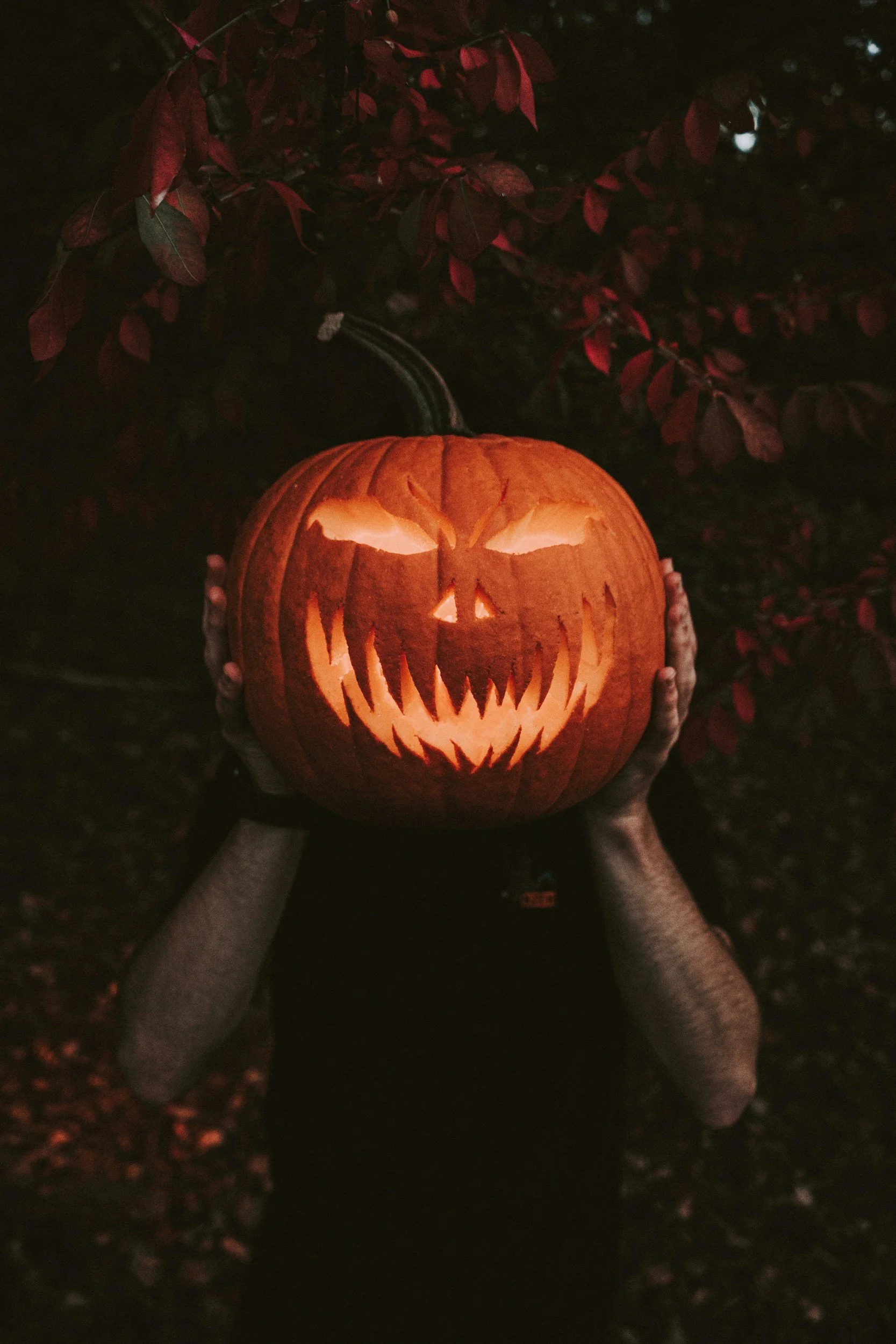
Every October, a lot of people briefly develop my taste in movies. They want ghosts. They want possession. They want a group of attractive idiots to make one increasingly bad decision after another in a house they had no business renting. For a few weeks, choosing something horrible to watch is a perfectly normal way to spend an evening.
Then November arrives, and apparently we’re done with that.
Which is fine. People have other interests. But there’s an assumption built into treating horror as a seasonal activity: that the desire to watch it belongs to Halloween, along with the decorations and the regrettable quantity of miniature candy you’ve eaten. Once the occasion passes, why would you keep doing this to yourself?
I used to have a version of that question year-round. Why deliberately watch something that makes you scared or uncomfortable? Life provides plenty of opportunities to feel like shit without requiring you to select one from a streaming menu.
Having since become someone who actively seeks these movies out, I think the voluntary part deserves more attention. We spend a considerable amount of adulthood trying to keep terrible things from happening. Then, given a free evening, some of us would very much like to feel that terrible things are about to happen (under fairly specific conditions, obviously).
Most of the emotions we seek in entertainment have some ordinary counterpart we’re happy to encounter. We like laughing with people. Falling in love is generally considered a worthwhile activity, despite the available evidence. Drama is unavoidable if you have a family, a job, or access to a neighborhood Facebook group. Movies can give those feelings a shape, intensity, or satisfying resolution that life frequently neglects to provide.
Fear is a more complicated proposition. We already get plenty of it, and most of us would happily take less. But there’s a difference between worrying about money and being certain that something is standing behind you in an otherwise empty room. If the latter happens outside a movie, enjoying the experience probably isn’t your immediate concern.
Horror lets us approach that feeling with a reasonable expectation that we’re going to be fine. You can know perfectly well that you’re sitting on your couch and still badly want a character to stop investigating a noise. The knowledge doesn’t cancel the feeling. That’s the arrangement you’re there for.
And safety changes what you’re able to do with fear. If you think someone has actually broken into your house, you need to respond. You don’t have much room to appreciate how slowly they turned the handle. Watching a movie, you can stay with the anticipation. Wonder about it. Enjoy how effectively someone has made an ordinary hallway unbearable.
You get to be curious about something you’d otherwise need to escape.
I suspect that’s part of why “being scared” is such an incomplete description of the appeal. Sometimes what I want is the uncertainty before anything happens: the sense that the movie knows something I don’t, and is being an asshole about telling me. There’s pleasure in wanting an answer while also being fairly sure I won’t like it. A good horror movie can keep that going for a surprisingly long time.
It can also let you feel helpless without giving you an actual problem to solve. Adulthood involves a lot of identifying what could go wrong and taking steps to prevent it. Make the appointment. Check the lock. Look into that noise the car is making before it becomes a more expensive noise. Being responsible is largely a series of attempts to keep your future self from having a terrible afternoon.
In a horror movie, you can object all you want. The character is going downstairs. You have no useful role here. For once, watching a situation deteriorate doesn’t mean you’ve neglected something you were supposed to handle.
That can be an appealing surrender. It can also sound thoroughly unpleasant, depending on who you ask. If someone finds two hours of manufactured dread exhausting, I don’t think they’re missing a crucial insight. They understand the offer. They don’t want it. Knowing you can turn something off doesn’t oblige you to enjoy having it on.
Nor does any of this make horror uniquely capable of providing a voluntary bad time. Roller coasters exist. Haunted attractions make a business of it. Games can make you responsible for opening the door yourself, which feels like an unnecessary escalation. Horror movies are simply an unusually accessible version: you can arrange an encounter with something awful without leaving home or signing a waiver.
Still, there’s an obvious complication. Dedicated horror fans don’t spend every movie terrified. Familiarity makes certain tricks easier to recognize. You notice what the camera is conspicuously refusing to show you. You can practically feel a jump scare waiting for its cue. Sometimes the movie just isn’t very scary.
And yet, you may enjoy the hell out of it.
I don’t think that undermines the argument so much as explains how the interest grows. Once you enjoy spending time in this territory, the scare becomes one of several things you’re watching for. You start appreciating how the dread is constructed, what kind of creature someone has imagined, or how much a filmmaker can accomplish with very little money and one deeply unpleasant idea.
Sometimes you want to be frightened. Sometimes you want to see what somebody came up with. Those desires can coexist, and they give you reasons to keep watching even when a particular movie doesn’t get under your skin. You don’t need every comedy to leave you unable to breathe to maintain an interest in comedy.
October supplies an easy occasion to try horror. There are screenings, decorations, other people willing to watch with you. For some viewers, that occasion is most of the appeal. Others discover that they like the experience enough to keep choosing it when the group chat has moved on.
That’s where the seasonal explanation stops being especially useful. The calendar helped get you in the room. It doesn’t explain why you want to stay.
I don’t need horror to make me braver, healthier, or better equipped for an actual emergency to justify enjoying it. I’m happy if it gives me an evening where I’m absorbed in something strange and increasingly worried about what happens next.
For a couple of hours, something can be terribly wrong without becoming something I have to deal with in the morning. That remains an appealing proposition in November.
Bio:
Ian Lang is a recent horror convert and the creator of Midnight Repertory, a free horror movie discovery engine built for people with weirdly specific tastes. After years of watching horror movies with his wife and getting frustrated with the same recommendations over and over, he decided to build something better. What started as a personal project has grown into a searchable collection of more than 7,000 horror films that helps people find movies based on what they actually want to experience, rather than just genre labels. He's especially fond of practical effects, obscure discoveries, and horror movies where things actually happen. MidnightRepertory.com
Recommended Reading: Lesser Known Horror Movies Every Horror Fan Should See
