
Author Christopher Valentine on Limiting Beliefs, Artistic Courage, and the Stories That Almost Never Existed
Introduction
In this post, I would like to offer support to any author who's been told that their creative idea is stupid. In this day and age, we have all been indoctrinated into the false belief of the safe bet. This phenomenon has taken many forms. The most annoying for me would have to be when someone insists that audiences will only ever take established names—because of this, creativity greatly suffers in more ways than I can describe. Or the idea that certain characters/stories are too unrealistic to be interesting. My prime example is how ridiculous the 'realistic' argument is when short-sighted individuals claim that Superman, when he's written properly, is too nice and powerful to be entertaining.
This is one of the hard truths that I learned from my bitter experience with major fandoms I outlined in my post about the Valiant Knight. Virtually any story can work just fine. Safety and realism did not bring our most beloved stories into existence. In short, it is the definition of a limiting belief.
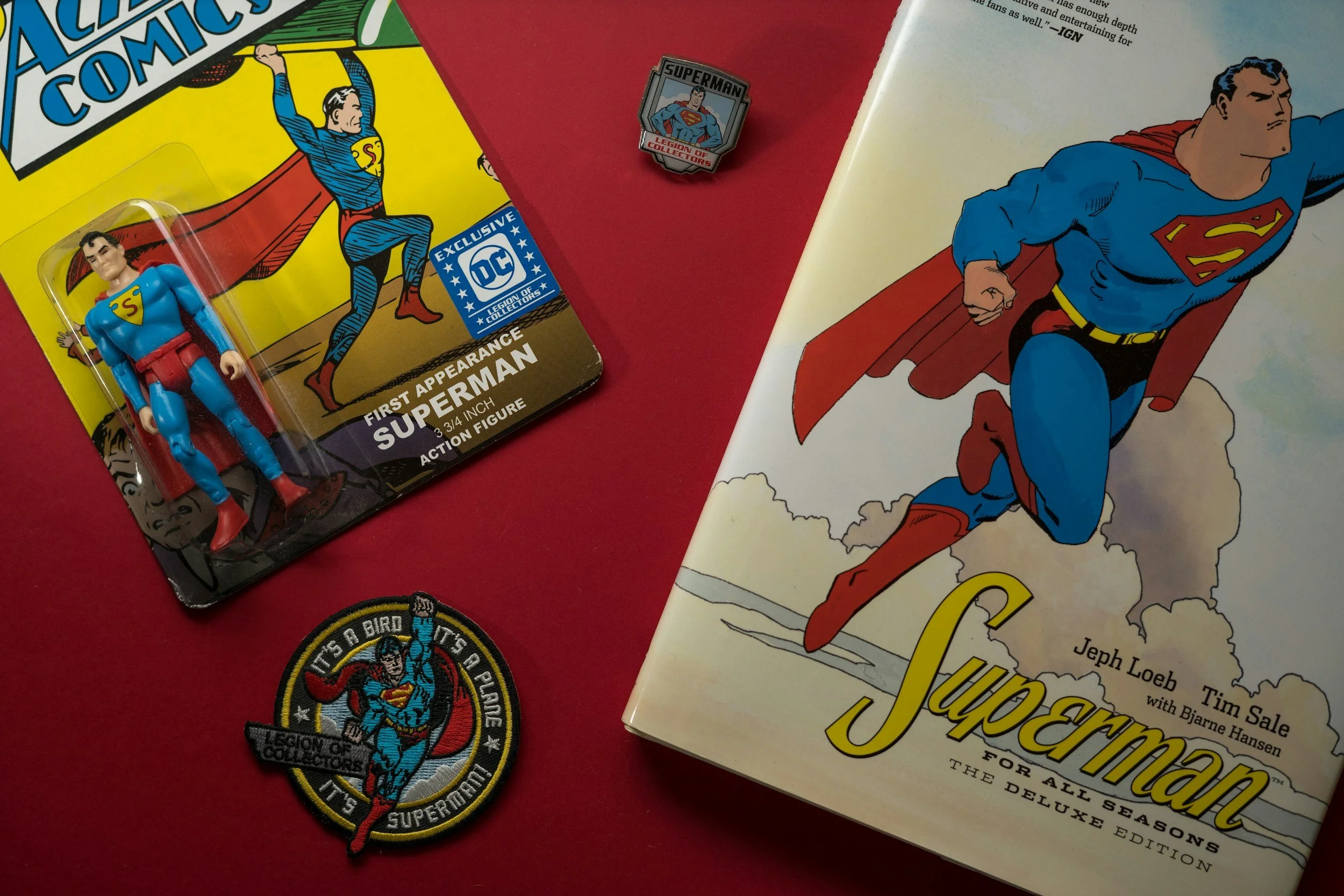
SUPERMAN
I blame these problems on the era of extreme comfort and availability that we live in. The simple truth is that many of the characters and stories we take for granted in the modern day were not engendered in a comfortable, secular, corporate boardroom.
In many ways the times that we find ourselves in have been a blessing. But in others they've been a curse—our era has made people, both creator and audience member, think smaller. For an example, Clark Joseph Kent was given life from the minds of two Jewish men whose families were fleeing terror from Nazi Germany during the Great Depression. Never forget that Jerry and Joe's first Superman comic was the last entry in a large pile that was only read because of random chance after numerous rejections.
One of the most common criticisms of the character is that he's too good-natured to craft interesting stories around. But it was the qualities of being the 'champion of the oppressed' that allowed him to stand out. I truly believe that being more realistic would have killed Superman from day one. People forget that Clark came in the late 30s. During that time, for more reasons than I care to get into right now, unless you were his brand of unrealistically optimistic, you would quite literally die from despair.
SPIDER-MAN
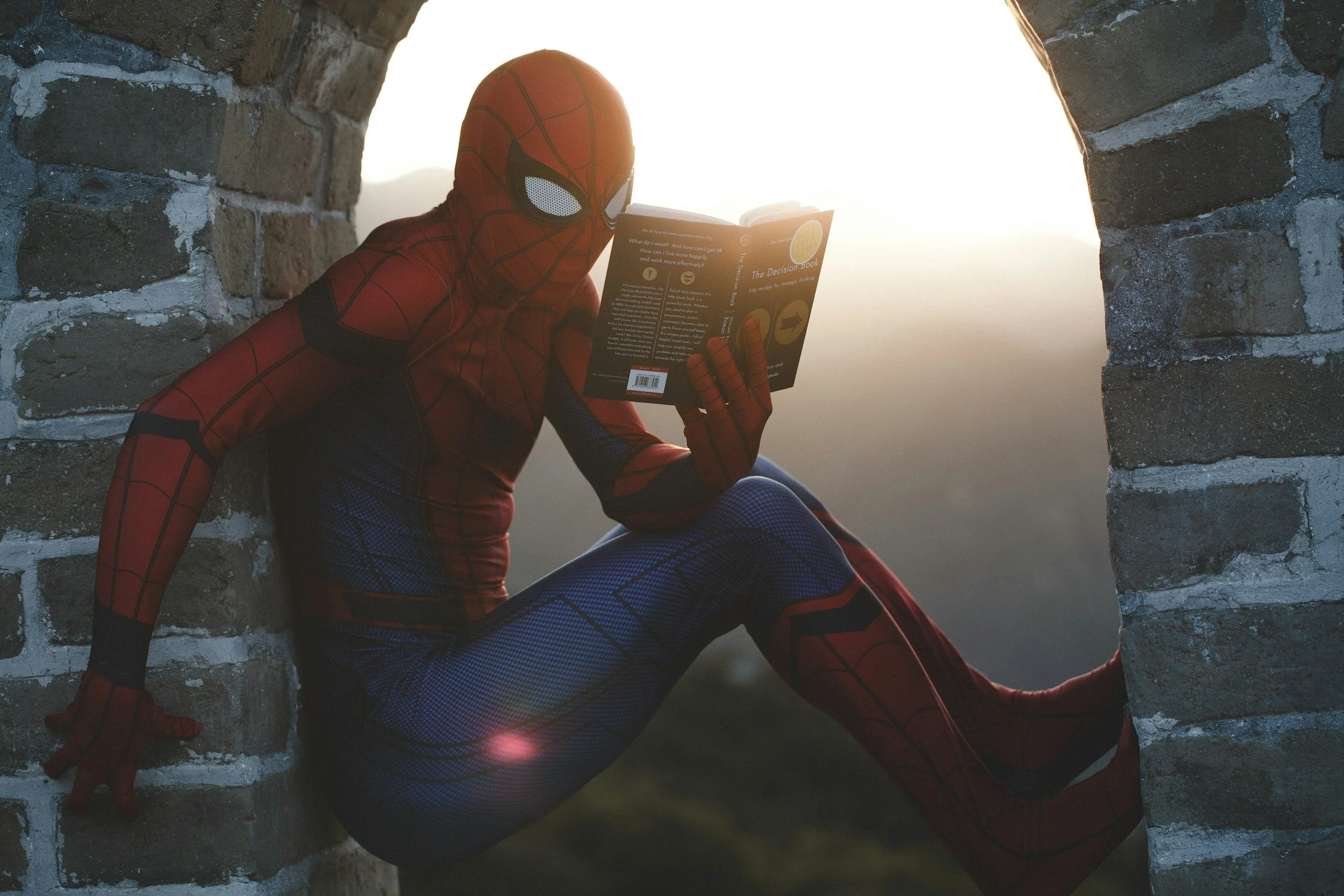
Much like Clark Kent, the character of Peter Parker also came from humble beginnings. It all started when Stanley Martin Lieber, more commonly known as Stan Lee, had achieved success with the publication of the Fantastic Four in November 1961, allowing him more creative opportunities.
Never forget that there was a time when Stan Lee's publisher told him that Spider-Man was a dumb idea. As the story goes, the great Stan Lee had to stand up to the then publisher, Martin Goodman, at Marvel to get Spider-Man published in the Amazing Fantasy Anthology during 1962, and only because the book was getting cancelled. Paraphrasing what Goodman said to Lee when he first pitched the idea, he said, "Spiders were creepy and that heroes shouldn't have everyday problems." So again, limiting beliefs are at work here.
Needless to say, he was proven wrong when Amazing Fantasy #15 was a huge success. Stan Lee himself, when looking back at this time during a speech at a graduation ceremony, would say, "If you have an idea that you genuinely think is good, don't let some idiot talk you out of it."
If this entire post wasn't a dead giveaway, I can tell you all that I fully agree.
STAR WARS
And the same could be said of Luke Skywalker, just as it is for Superman and Spider-man. Never forget that George Lucas had to take money out of his own pocket to make the first Star Wars movie because all the established companies thought that it was going to fail.
Sci-fantasy movies just weren't a safe bet back then. The creator himself had assumed 'A new hope' would be a one-and-done project. Still, Lucas wanted to make it anyway because he was passionate about it. One can only imagine the level of shock and surprise he must have felt upon hearing word of the massive crowds assembling outside of the movie theaters. So, again, never underestimate the power of artistic drive.

GOOD WRITING
At the end of the day, good writing is the key. The point of this post is that, of course, you can bring your wildest ideas to life, but that creative fire must be focused through discipline. The best way I can describe it is that you should think of your creativity as a form of energy similar to electricity. In its purest form it is a wild and untamed force of nature, but when channeled properly through good writing practices such as show-don't-tell, foreshadowing, etc., it can be properly utilized—just imagine the power flowing into any number of machines to make them function.
THANK YOU
Lastly, I would like to thank everyone who made it to the end of this post. And I'll see you all again in the next one.
About the Author:
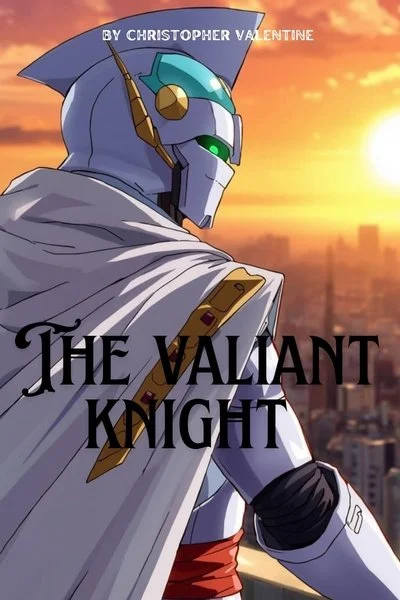
Christopher is a returning contributor to Feeling Creative?. He is a proud fantasy and sci-fi author from Jamaica who adores the works of J.R.R. Tolkien.
Visit his Website
Read his previous posts: Here
Patreon: Christopher297
