
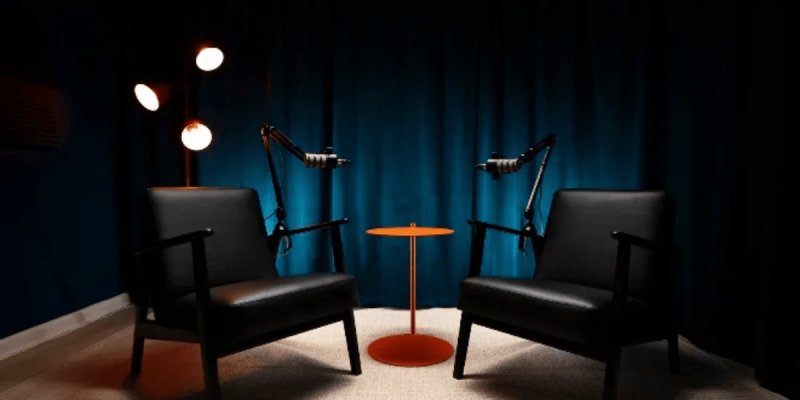
There's a question I hear at almost every final review. The client watches thirty seconds of finished film, sits back and asks, "Why did that take six weeks?"
It's a fair question. Thirty seconds on screen looks small. Behind it sit a brief, a concept, a script, a shot list, a casting session, a location scout, a 12 Hour’s shoot day and more edit versions than anyone wants to count.
I've been making commercial films in Copenhagen for 7+ years, for small local brands and big international campaigns alike. Here's what actually happens between the first call and the final cut, and the lessons that cost us the most to learn.
It Starts With a Problem, Not a Camera
Most commercials don't begin with an idea. They begin with a problem. Sales are flat. A product launches in March. Nobody under thirty knows the brand exists.
So the first meeting isn't about cameras. I want to know who the film is for, where they'll see it, and the one thing they should feel or do afterward. If the answer is "everyone," we keep asking until it narrows. A commercial made for everyone lands with no one.
The one-sentence test. Before any creative work starts, we write the purpose of the whole film in one sentence. "Show busy parents that this meal kit takes fifteen minutes." If we can't write that sentence, we're not ready to write a script.
Concept: Kill Your Darlings Early
Here's where I disagree with a lot of common advice. Plenty of people say you should walk in with one big, polished idea. We bring two or three, and we keep them rough: a paragraph each, a handful of reference frames, sometimes a quick mood film cut from existing footage.
Rough is the point. A polished pitch makes people fall for the execution before they've agreed on the idea. A rough one keeps the room focused on the only question that matters: does this solve the problem?
Some of my favourite concepts died in that meeting. It stings for an afternoon. It's far cheaper than finding out an idea doesn't work after the shoot.
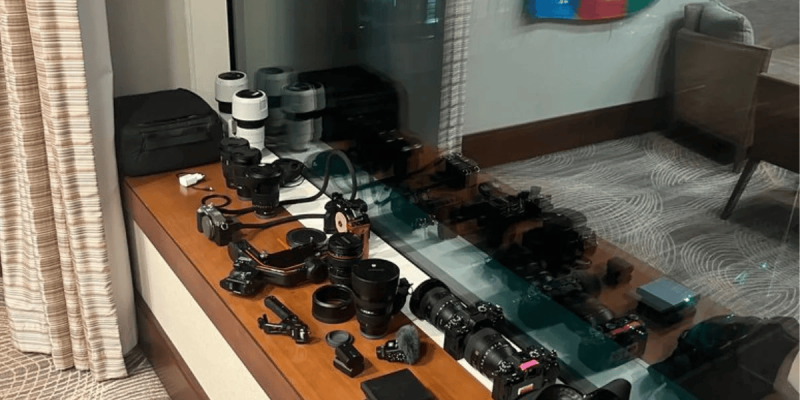
Pre-Production Is Where Commercials Are Won
If I could tell every new filmmaker one thing, it's this: the shoot day won't rescue a weak plan. Pre-production does the heavy lifting.
For a typical spot, that means:
● Script and storyboard. Every shot gets drawn, even as stick figures. Feeling Creative ran a great piece on why storyboards matter, and it applies to commercials as much as social video.
● Casting. We see far more people than we need. Someone who looks perfect in a headshot can freeze when the camera rolls, while someone you'd overlook carries a whole scene with one look.
● Locations. We scout at the same hour we plan to shoot. A bright kitchen at 10 a.m. can be a cave by 3 p.m., especially in a Danish winter.
● The schedule. We plan the day around light, talent and the shots that matter most, and those go first.
A clear shot list also means the client knows exactly what they're paying for before anyone switches on a light.
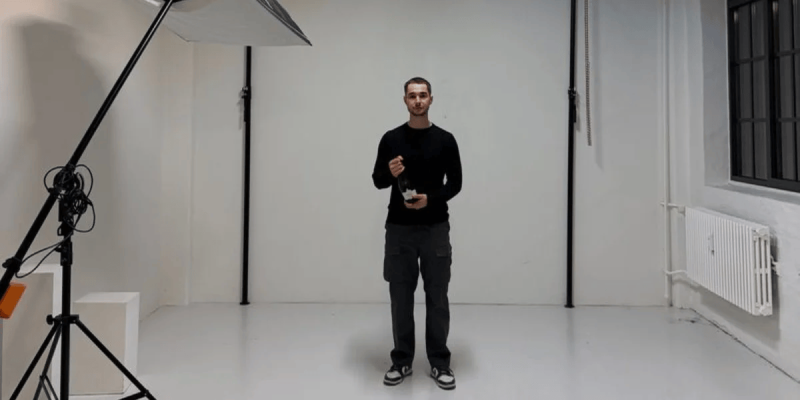
Shoot Day: Controlled Chaos
A commercial set looks chaotic from the outside. Cables everywhere, people talking into radios, someone eating a sandwich on an apple box. Underneath, it runs on a strict order.
We arrive before sunrise to light the first setup. While the gaffer shapes the light, the talent goes through hair, makeup and wardrobe. By the time the camera rolls, the first shot has been rehearsed twice.
Then comes the part nobody sees in the final film: doing the same three seconds over and over. Take after take of a hand reaching for a cup, because the steam curled the wrong way, or the label turned two degrees too far, or the actor blinked at the exact moment the light hit. In commercial work, details that nobody consciously notices are what make a product look premium.
Protect the hero shot. Every commercial has one or two shots that carry the whole message. We schedule those early, while the crew is fresh and the light is right. If the day runs long, we can lose a nice extra. We can't lose the shot the film exists for.
Expect something to go wrong. On one shoot, the location's power tripped every time we turned on our biggest light. We lost forty minutes, rebuilt the setup with smaller fixtures, and the shot ended up softer and better than the original plan. On another, rain arrived three hours early, so our exterior scene moved under a bus shelter. Good pre-production doesn't prevent problems. It gives you room to solve them without panic.
Keep the client close, but not in charge of the camera. We set up a monitor for the client with headphones and a chair. They watch every take and can flag anything off-brand on the spot. That beats discovering a wrong logo colour in the edit. But one person calls "cut," and that's the director. A set with five directors produces a film with no point of view.
By wrap, we usually have hours of footage for a thirty-second film. That ratio surprises people. It shouldn't. The edit needs options.
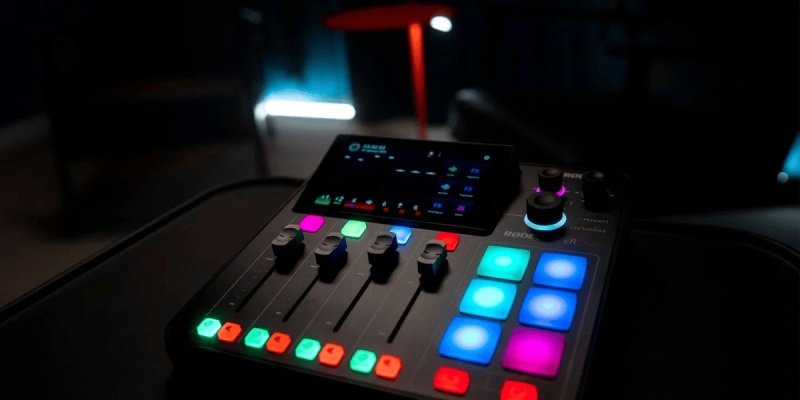
Post-Production: Where the Film Is Actually Made
There's an old saying that a film is written three times: on the page, on set and in the edit. In commercials, the third one matters most.
The editor starts with an assembly, every usable shot laid out roughly in script order. It's usually too long and a bit flat. Then the real cutting begins. We trim frames, not seconds. Moving a cut a few frames earlier can turn a nice moment into a punchy one.
After the edit is locked, the film passes through a few more hands:
● Colour grading gives the film its mood and makes the product look the way the brand sees it. The same footage can feel warm and nostalgic or cool and modern depending on the grade.
● Sound design and music do more than most people realise. Take the sound off a great commercial and it falls apart. The fizz of a drink, the click of a lid, a beat that lands right on the cut: that's where a lot of the emotion lives.
● Graphics and text come last: the logo, the offer, any legal lines. Less is almost always better.
The revision trap. Feedback is part of the job, but too many voices can sand a film down until nothing is left. We agree up front on two rounds of revisions and one person who gives consolidated feedback. Protecting the film from death by a thousand notes is part of a producer's job.
The Final Cut Is Rarely Just One Cut
A modern commercial is no longer one thirty-second film. The same campaign might need a 30-second version for TV or cinema, a 15 and a 6 for online ads, and vertical cuts for Reels and TikTok.
We plan for this from day one. If you only realise you need a vertical version during the edit, you'll find the product sitting at the edge of every frame. Framing with a vertical crop in mind on set saves days of pain later.
What I'd Tell Anyone Starting Out
If you want to make commercial films, learn to love the boring parts. Concept and shoot day get the glamour, but the work that makes a film good is the one-sentence brief, the scouting trip at the right hour, the shot list and the patient edit.
And take the question "Why did that take six weeks?" as a compliment. It means the final thirty seconds look effortless. That's exactly what all those weeks were for.
Author Bio:
Rik is a director at Clix Productions, a video production company in Copenhagen. For more than seven years, Rik has made commercials, brand films and event content for clients ranging from local Danish businesses to international brands. What matters most to Rik are the unglamorous parts of filmmaking: a sharp brief, a well-planned shoot and an edit that respects every frame.
