
The Reverend Kneels, Briefly: On Hellraiser: Revival
Reflections by the Reverend Phantom
I will say this once, and I will say it quietly, so that no one in the next room may overhear: I have been moved by a video game.
I recognize how this sounds. The medium has never suited me. Humans spend hours pressing small buttons to guide a digital puppet through a corridor, call it art, and then argue about refresh rates and screen resolutions. I have watched empires carve their gods into marble, and I am now asked to respect a thing that stutters when you enter a new room. I came to it the way a bishop enters a tavern: obligated, appalled, and quietly curious about the wine.
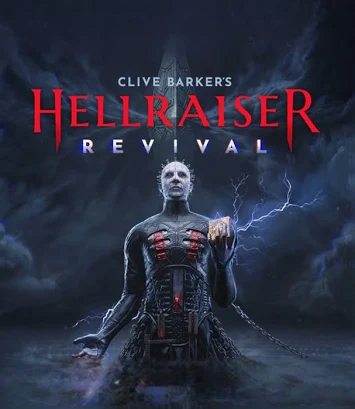
Clive Barker’s Hellraiser: Revival arrived on the eighth of October, courtesy of Saber Interactive and developer Mad Head Games. I expected a corporate relic, another franchise exhumed for its resale value. Horror has been dug up so often that the soil has stopped pretending to be anything but soil.
I was wrong, and I do not enjoy being wrong. It happens so rarely that I find the sensation almost exotic.
The Offering
The opening alone disarmed me. Within fifteen minutes the game had implicated me in something I could not look away from and could not undo. That is the correct instinct for a Barker adaptation. You are not a spectator. Your hands are in it.
The medium I have long dismissed turns out to possess a single terrible advantage over the cinema: it will not let you look away, because looking away means standing still, and standing still means the end of the story. I had not considered this. I am not pleased to be considering it now.
The violence is not decoration, and I want to be precise about why that matters. Barker’s hell was never a hell of punishment. It was a hell of appetite, in which pain and pleasure share a single door and the door is unlocked from the inside. This game understands that. Flesh is hooked, torn, and rearranged with an intimacy I did not think a machine capable of. The craft is deliberate. It earns its grotesquerie.
Pinhead returns, and I will admit a certain professional kinship. A figure of ritual patience and unbearable courtesy, who regards your suffering as an art form requiring a trained audience. What the original two films built, the sequels spent thirty years cheapening with their faithless shorthand. This one has actually read the scripture. The character arrives carrying weight he has not carried in decades, and the game has the decency to let him use it.
The labyrinth deserves mention on its own. There is an architectural hush to it, a sense that the geometry is not random but intended, that the corridors were designed by something that wanted you to feel their logic before you understood it. It is the most purely spatial dread I have encountered in the genre, and I have encountered a great deal of dread.
The Confession
It is not flawless, and I am not a man to pretend otherwise.
The combat is thin. When the horror is intimate and the violence is deliberate, putting a hundred of the same creature at the end of a corridor is a theological error. Barker’s original terror was singular: one man, one box, one hunger. Scale dilutes that. The Hellhound Heart was never meant to be a supply chain.
But I would sooner follow an ambitious failure into the dark than a modest success into the light. The mansion stands. The hooks are sharp. The commitment, in the moments when it arrives, is real.
So I find myself in an awkward position. If this is what the medium becomes when it finally commits to the filth, the intimacy, and the ritual, I may yet convert. Not today. I am old, and my pride is older. But I have noted the address of the church.
The Prayer
And since I am already on my knees, let me make a request of whoever controls the keys.
Give us Nightbreed.
Clive Barker’s other masterpiece, the one the industry butchered in an editing room and which has been rising from its grave ever since. Midian, the city of the monsters, where the dead and the damned keep house and the only truly dangerous creatures are the ones carrying badges and sermons. Boone, the man who dies so he can finally be seen. The Baphomet, the Cabal, the whole bruised bestiary of outcasts. Here is a world that begs to be explored, not merely survived: a cemetery full of doorways, a nation of freaks defending its sanctuary against the smiling men who call it justice.
Here is a game in which you might actually want to lose to the monsters. I can think of no finer heresy.
Build it with the same cruelty and the same care. Or do not build it at all. I will know the difference, and I have time.
Verdict: Begrudgingly blessed. Bring me Midian.
About The Reverend:

The Reverend Phantom has watched from the shadows since before your nightmares had names. He now presides over Reverend Phantom Media, a horror imprint rising from the grave, with fiction releases planned for 2027 and beyond. Join the congregation at ReverendPhantom.com or follow him on Instagram at @reverendphantom. Come early. He remembers the faithful.
Recommended Reading: The Origins of Horror
