Koji Suzuki died on May 8, 2026, in a Tokyo hospital. He was 68. Japanese media called him the Stephen King of Japan, which is accurate as far as it goes, though Suzuki might have argued the comparison sells both writers short. King built his career on American anxieties: small towns, religious fundamentalism, the darkness hiding in familiar places. Suzuki tapped into something different, the creeping dread of technology, the way modern life had quietly started to feel like something was watching back.
In 2022 he was awarded the Bram Stoker Award for Lifetime Achievement, which annually recognizes artists for "superior achievement in an entire career" which has "substantially influenced the horror genre", voted on by the Horror Writers Association…which serves as further proof of his influence.
He did it with a cursed videotape. And it changed everything.
The Book, The Film, The Phenomenon
Suzuki published Ring in 1991, initially writing in his spare time as a stay-at-home father to two daughters. The premise sounds almost quaint in 2026: a videotape that kills anyone who watches it exactly seven days later. But the execution was anything but. The novel tapped into a very specific late-20th-century anxiety, the sense that technology was spreading faster than anyone could understand or control, and that something might be moving through it that wasn't entirely human.
The book sold modestly at first, then exploded after its paperback release, reaching half a million copies by early 1998. Then director Hideo Nakata adapted it for the screen.
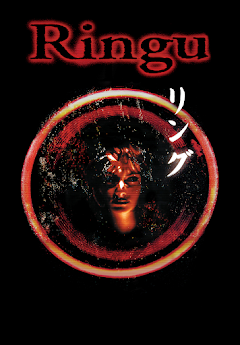
Ringu (1998) became the highest-grossing horror film in Japanese history. What Nakata understood was that the most frightening thing about Suzuki's story wasn't the videotape. It was Sadako, the pale, long-haired figure who crawled out of it, moving in that wrong, jerking way that bypassed rational thought and hit something older in the brain. The film was atmospheric, restrained, and genuinely terrifying in a way that Hollywood horror of the late 1990s simply wasn't.
The Door Opens
American horror in the late 1990s had largely exhausted itself and became very stale. The post-Scream wave of self-aware slashers was running on fumes. Audiences had seen every variation. Then Ringu started circulating on import DVDs and in Asian film festivals, first in New York's Chinatown cinemas and the East Village, then spreading through a growing underground horror community that sensed something different was happening on the other side of the Pacific.
Gore Verbinski's American remake, The Ring (2002), brought it mainstream with a vengence. The Naomi Watts-led film made nearly $250 million worldwide, becoming one of the highest-grossing horror films ever made at the time. And, unlike a lot of remakes…it is, genuinely, a good film. Verbinski grafted western gothic atmosphere onto the Japanese source material, adding bare trees against cold skies and a green-blue visual palette that felt distinctly Pacific Northwest. The scares worked. The ending worked. It earned its reputation. Theaters were packed again with horror fans. I remember seeing it in an enthusiastic packed house with lots of screams and shrieks from the audience that made it fun and enjoyable.
But here's what The Ring also did: it sent a significant portion of its audience straight to the original. Horror fans, once they knew Ringu existed, wanted to see it. And when they did, most of them decided they preferred it. The American version was polished and effective. The Japanese original was genuinely unsettling in a way that was harder to shake, quieter, more patient, more comfortable letting dread accumulate without explanation.
That pattern, American remake creates audience, audience discovers superior original, repeated itself throughout the decade that followed.
The Wave
Hollywood moved fast. The Ring's success triggered a full-scale acquisition of Asian horror properties. The Grudge (2004) remade Takashi Shimizu's Ju-On, with Shimizu himself directing the American version. Dark Water (2005) adapted another Suzuki story, this time with Jennifer Connelly, though it softened the supernatural elements in favor of family drama and lost something essential in the process. Pulse (2006) remade Kiyoshi Kurosawa's Kairo. One Missed Call (2008) took on Takashi Miike's original.
The results were, to put it diplomatically, uneven. Most of the remakes diluted what made the originals work. J-horror's power came from restraint, from what it didn't show, from a cultural relationship with the supernatural that didn't translate cleanly into American multiplex conventions. Hollywood's instinct was to over-explain, to resolve, to give audiences something to hold onto. Japanese horror's instinct was the opposite.
The remakes that worked best, The Ring and to a (much) lesser extent The Grudge, understood that the atmosphere was the point. The ones that failed tended to be the ones that treated the source material as a plot to be repackaged rather than a feeling to be preserved.
What the Originals Were Actually Doing
J-horror wasn't just a visual style. It was a distinct cultural conversation. The vengeful female spirits at the center of these films, Sadako in Ring, Kayako in Ju-On, reflected specifically Japanese anxieties about repressed emotion, social obligation, and the consequences of things left unresolved. The horror came from rupture, from feelings and histories that had been buried and were now refusing to stay down.
That's a different kind of scary than an American slasher. It gets under the skin differently. And once American horror fans understood that distinction, many of them went deeper into Asian horror and never really came back. Audition. Oldboy. A Tale of Two Sisters. The Eye. Battle Royale. A whole cinema of dread that had been there all along, waiting.
Suzuki opened that door. He didn't intend to reshape global horror cinema. He was a stay-at-home dad writing in his spare time, trying to scare people with a videotape. But the wave he started is still moving, and the long-haired figure crawling out of the television is still one of the most indelible images in horror history.
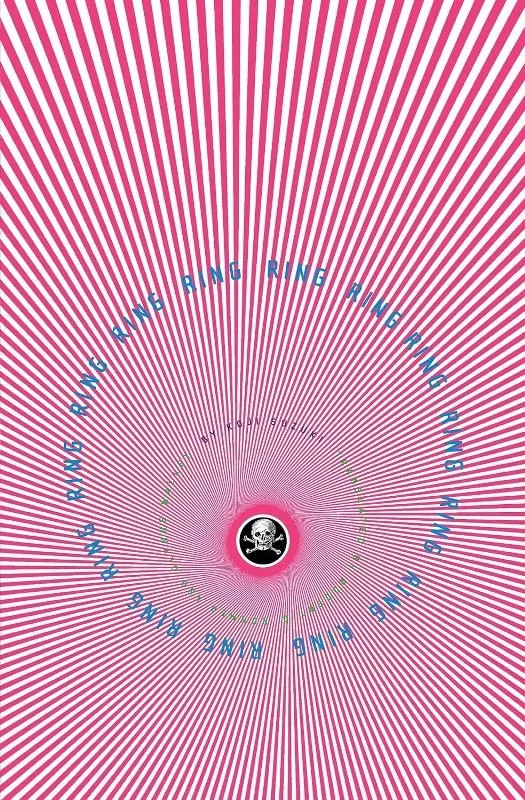
If you want to check out Koji Suzuki’s original book, RING, it’s available on AMAZON HERE.
About The Author
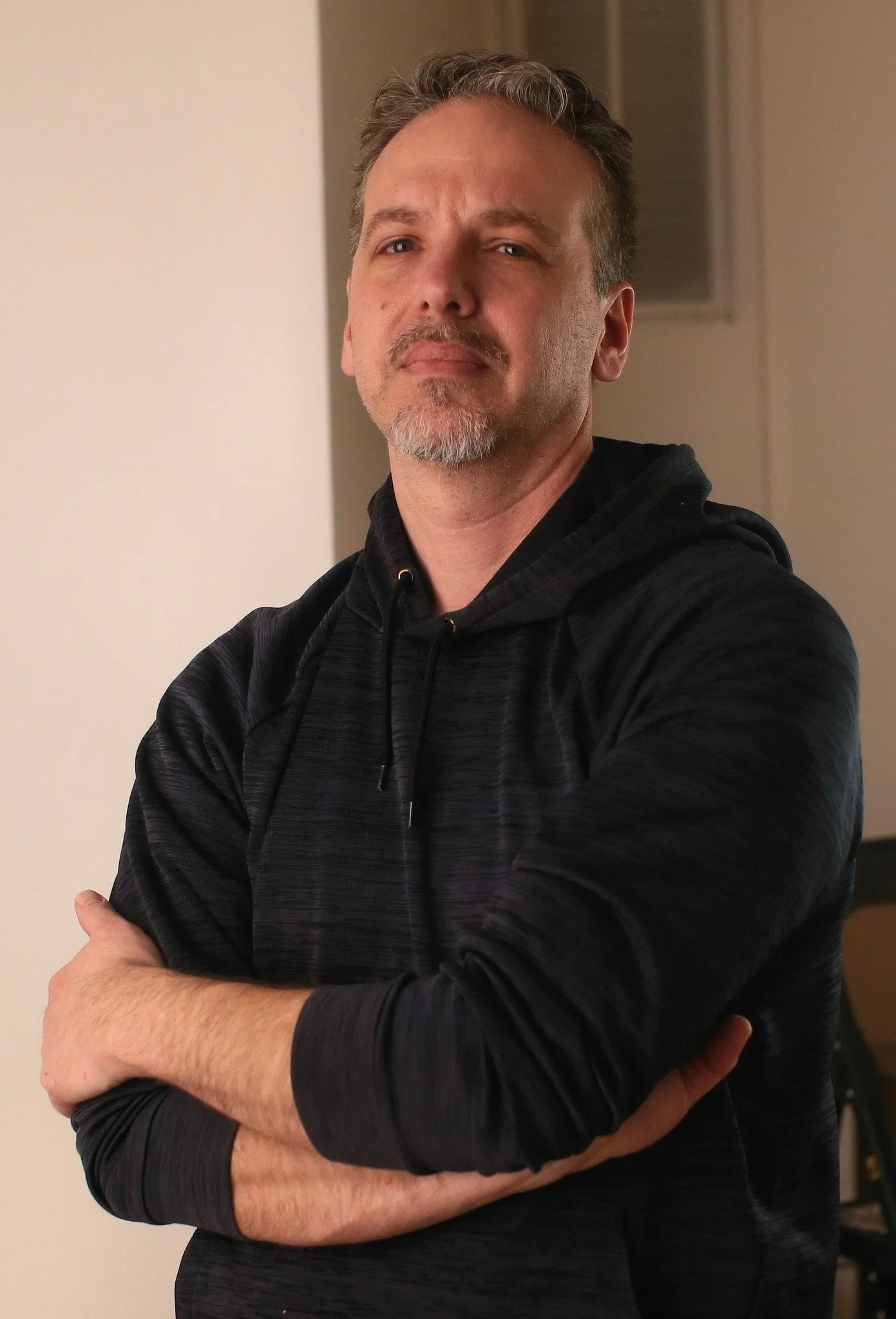
Mike Meyerson is the founder of FEELING CREATIVE?, and has been a horror nut ever since Alien and The Exorcist gave him nightmares as a boy. Currently located in NY’s Hudson Valley Region, is always looking to build the network, find a new cool trail to hike and a new horror movie to watch.
Read Mike’s other articles - HERE.
Recommended Reading: Horror Sequels That Don't Suck