I was a hungover literature major at Columbia when my dad called. "Are you sitting down?" I lied and said yes. Then I found out why people ask that question in movies.
"Your mother was killed in a helicopter crash last night with Bill Graham."
I collapsed on the floor.
In the press, nobody wanted to talk about my mother. Everyone wanted to talk about Bill Graham, the Godfather of rock and roll. His memorial concert drew 300,000 people. My mother was a footnote.
A few years later, I was in a directing class at NYU film school when I churned out a script in one evening and called it "12 Puns about my Mother's Death." It included animation, toys, and written scenes. My Russian professor told me the script "is bullshit, is not real movie." I stormed out. But a mentor named Carol Dysinger believed in the project, and I started filming.
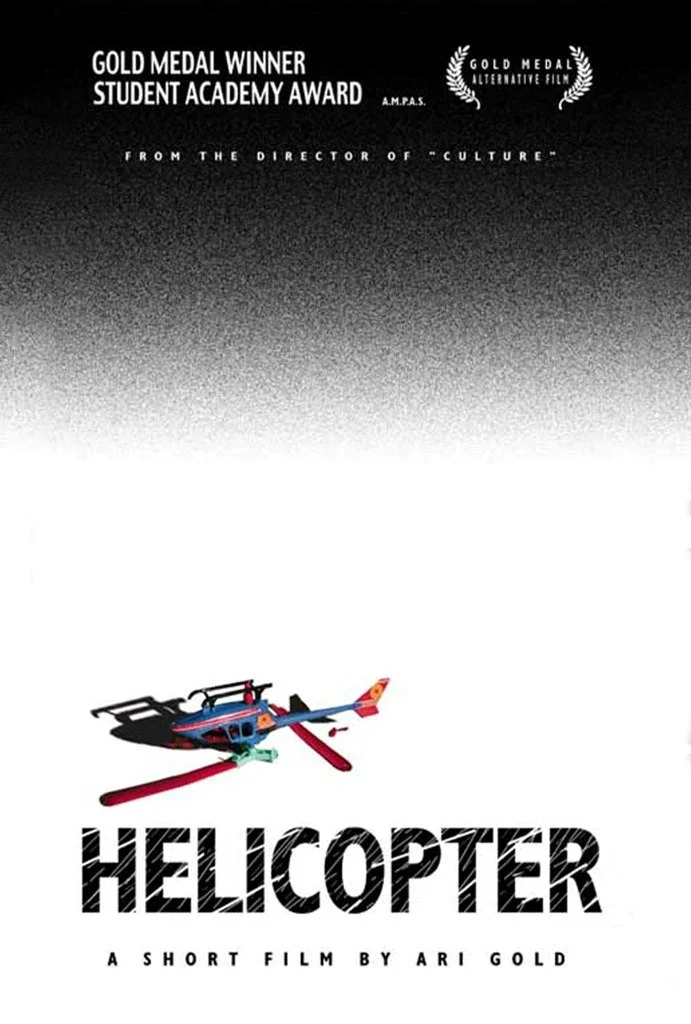
What became Helicopter was an experiment in expressionist storytelling that took two years to execute. I funded it using money from the helicopter's insurance. I wasn't comfortable having the money, and I wanted to use it. This seemed an appropriate way.
I hoped to play myself and get my brother and sister to play themselves. My sister Nina, an actress and yoga teacher in San Francisco, agreed, but my twin brother Ethan, a musician, would only do the score. "I've been doing my own process," he told me.
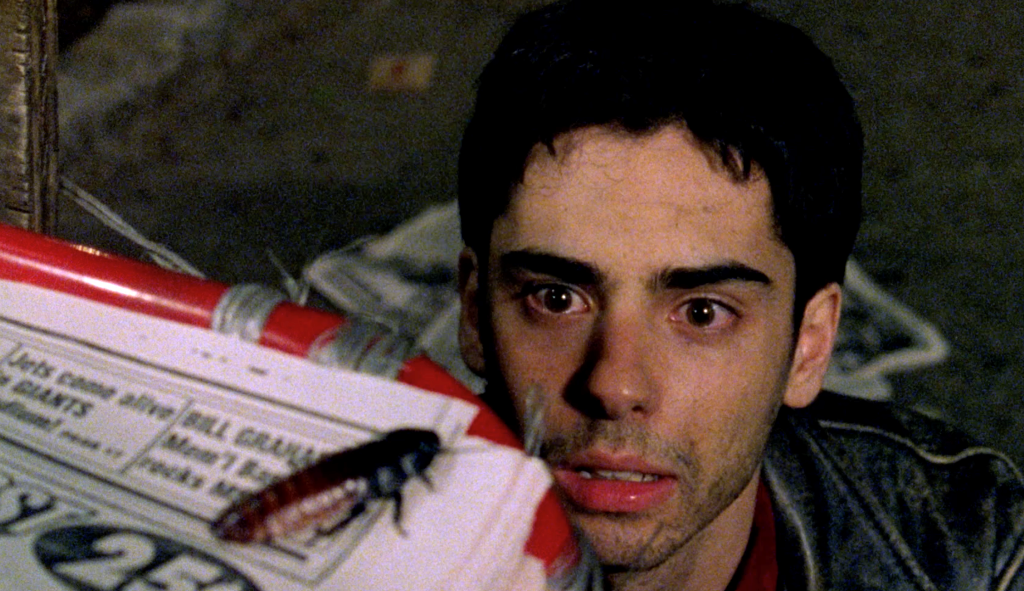
So I used people I knew from school to play me and my siblings, and used Nina's voice to "play" our mom in phone messages, as we struggled to reach each other in those last months.
I wanted to capture how grief actually scrambles the mind when death tears through your life. I figured out while editing that documentary truth was less important than emotional truth. I wanted to convey the fractured nature of loss.
The short film was too complicated, too personal, too ambitious. I faced the prospect of having nothing to submit to film festivals.
So I made a quickie movie called "Culture." One minute long. I stood against a white backdrop in my long coat and tangled hair, crouched and gyrated, used my fingers as weapons, simulated gunfire, and a blood pack exploded on my back. The end. It was a goof, but an entertaining goof.
I got it into Sundance and other festivals, promoted it with T-shirts and flyers, even created "Dogma 99," making fun of Lars von Trier's Dogma 95 campaign. Rule #3? "The number 3 must not be mentioned."
Making "Culture" gave me the confidence to finish the Helicopter short, which went on to win the Student Academy Award. It played Sundance, SXSW, and over 100 festivals. It's taught in film schools around the world. People have told me that watching it after losing their own parents changed how they understood grief. That's what I made it for.
My estranged professor finally came up to me and shrugged. "Is good film."
The Cathedral Awaits
Here's what happens after you make a film about your deepest wound: you're supposed to be healed, right? Except I wasn't.
Years later, I encountered the filmmaker Alejandro Jodorowsky, the visionary behind The Holy Mountain. He gave me an assignment he called psychomagic.
"Dress in your mother's clothes," he said. "Get in a helicopter. Fly it through the towers and make a feature film about it."
It sounded insane. It still sounds insane. But Jodorowsky understood something that took me years to articulate: making a short film about trauma is not the same as healing from trauma. The camera can witness grief, but it cannot cure it.
So I began the feature-film version of Helicopter. I've been working on it for years, shaped by Jodorowsky's surrealist vision, moving through it alongside my other films, including Brother Verses Brother, the improvised musical I made with my family and executive produced by Francis Ford Coppola.
The short film was fearless because I had nothing to lose and everything I needed to say. The feature is something else entirely. It's what you make when you've had decades to sit with something and still haven't finished sitting.
Helicopter (short) is now streaming on StorieTV. The feature film is in post-production. If you've lost someone, watch it. If you've made something and wondered whether it mattered, watch it. The answer is yes.
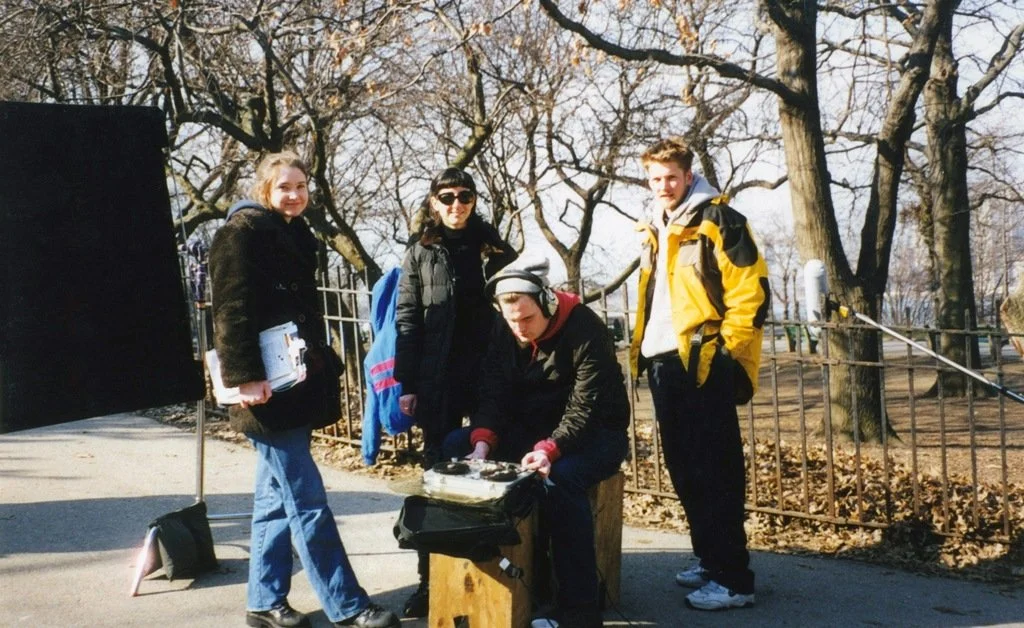
CREW CREDITS
Writer/Director: Ari Gold
Music: Ethan Gold
Producer: Sarah Bassine
Co-producer: Ari Gold
Associate Producer: Trevor Ristow
Editor: Jacob Craycroft
Sound Design: Joe Caterini
Cinematographer: Andrij Parekh
Production Design: Eva Schwartz
Scale-model designer: Jeffery Lowell Murphy
Helicopter animation: Carl Huebner
Art director: Lara Eldredge
About Ari Gold
Ari Gold is a director, poet, and musician whose films have screened at Sundance, Telluride, SXSW, Karlovy-Vary, and hundreds of festivals worldwide. His third feature Brother Verses Brother, executive produced by Francis Ford Coppola, premiered to strong reviews at SXSW. His previous features include The Song of Sway Lake and Adventures of Power, called "one of the funniest films in recent years" by New York Magazine. He has won over fifty prizes including the Student Oscar and best film at SXSW twice. His first book of poetry, Father Verses Sons, was published by Rare Bird Lit in 2024.
Follow him at @AriGold on Instagram and join his Cinema Verses Substack for more on his filmmaking philosophy.