From the woman who helped invent modern horror to the scream queens who defined it, these are the names that deserve more credit than they usually get.
Horror has always been marketed as a man's game. The directors, the monsters, the mythology: all of it tends to get told through a male lens, by male writers, in lists compiled by male critics. Which makes it easy to forget that some of the most foundational figures in the entire genre have been women.
This is a just partial list…I’m sure I missed some as these sort of lists always tend to do.
Mary Shelley | Writer
We’ll start here, just because her story still fascinates me (as does her book). Mary Shelley wrote Frankenstein in 1818 at age 19, on a dare during a rainy summer in Switzerland, and in doing so essentially invented the science fiction horror genre. The story of a scientist who creates life and cannot control what he's made has never stopped being relevant. Every Frankenstein film, every mad scientist story, every "playing God" horror premise traces back to a teenage girl who decided to write something scary.
So yeah, she deserves to be on top of this list.
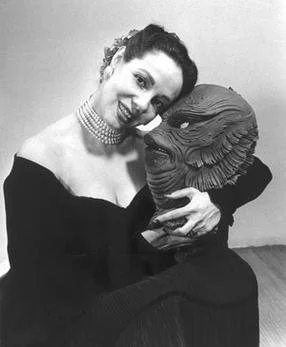
Milicent Patrick | Makeup Artist and Creature Designer
Most people have never heard of Milicent Patrick…to be honest, I didn’t until I did some research for this article. Most people have seen her work though.
The Gill-man from Creature from the Black Lagoon (1954) is one of the most iconic monsters in horror history. That suit, that silhouette, those gills that actually moved as the creature breathed underwater: that was Milicent Patrick. She designed it, sketched it, and spent six weeks refining it until the studio executives approved it. She was also one of Disney's first female animators, with work on Fantasia, and the first woman ever to work in a special effects and makeup department in Hollywood.
When Universal sent her on a press tour to promote the film, she was billed as "The Beauty Who Created the Beast." Her boss, makeup department head Bud Westmore, saw the attention she was getting and immediately demanded she change her story. He insisted she claim publicly that she had only made sketch renderings of his ideas. When the tour ended, he used his position to blackball her from the industry entirely. She never worked in a makeup department again. Westmore took sole credit for her work for over fifty years.
Her story remained largely unknown until writer Mallory O'Meara published The Lady from the Black Lagoon in 2019. It's one of the more enraging stories in Hollywood history, and it belongs in any conversation about women in horror (and it’s on my reading list).
Barbara Steele | Actress
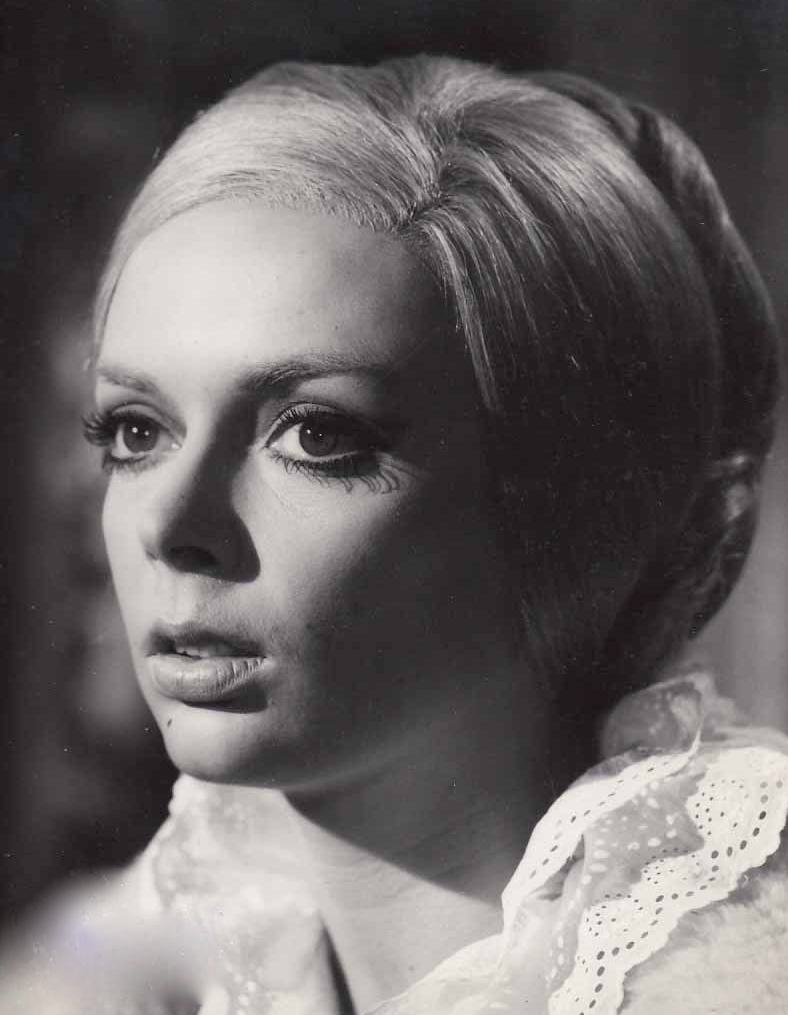
Before Jamie Lee Curtis, before Linda Blair, there was Barbara Steele: the original scream queen, and one of the most striking screen presences in horror history. Her work in Mario Bava's Black Sunday (1960) is extraordinary, playing both the villain and the heroine in a film that remains one of the great Italian horror achievements. She went on to work with Roger Corman and appeared throughout the golden age of European horror, bringing an intelligence and intensity to roles that could easily have been purely decorative.
If you haven't seen Black Sunday, it's a good place to start.
Anne Rice | Writer
Rice didn't invent the vampire. Bram Stoker handled that in 1897. What she did was something probably just as significant: she turned the vampire from a monster to be defeated into a tragic, introspective figure the reader could inhabit. Interview with the Vampire gave us horror from inside the predator's head, and the entire wave of sympathetic vampire fiction that followed, from True Blood to that other teenage angst vampire franchise which we won’t mention by name, traces a direct line back to that shift.
She wrote prolifically across horror, dark fantasy, and erotica for four decades, building one of the most devoted reader followings in the genre. She passed away in December 2021. Her influence isn't going anywhere.
Debra Hill | Producer and Writer
John Carpenter gets most of the credit for Halloween. That's fair: he directed it, scored it, and co-wrote it. But the other name on that screenplay is Debra Hill, and without her the film doesn't exist in the form that changed horror forever.
Hill co-wrote Halloween with Carpenter and produced it, turning a $300,000 budget into a $70 million box office hit, making it one of the most profitable independent films ever made at the time. She wrote most of the dialogue between Laurie and her friends, which means Laurie Strode as a character is largely her creation. She also produced The Fog, co-wrote Escape from New York, and had 32 producing credits over her career.
There's a detail that says everything about how she worked: in Halloween's famous opening sequence, the first-person POV shot of young Michael Myers stabbing his sister, the hand holding the knife is Debra Hill's. She stepped in wherever it was needed, on a shoestring budget with an inexperienced crew, and what came out the other side was one of the most influential films in the history of the genre.
She passed away in 2005. The Producers Guild of America established the Debra Hill Fellowship in her honor the same year. She deserved more recognition while she was alive to receive it.
Linda Blair | Actress
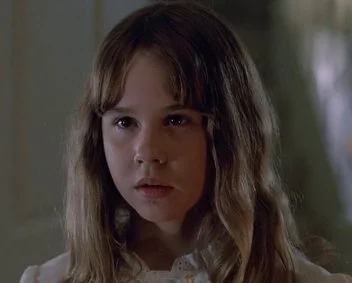
The Exorcist (1973) is widely considered one of the scariest films ever made. Linda Blair was 14 years old when she made it. The performance she delivered, physically demanding, emotionally raw, and genuinely terrifying in ways that had nothing to do with the special effects, earned her an Academy Award nomination and cemented her place in horror history permanently. Her career after that was uneven, as it often is when you peak at fourteen, but nothing that followed changes what she accomplished in that film. It remains one of the great performances in the genre.
It's easy to reduce her to the image: the spinning head, the pea soup. But what Blair actually did was carry an entire film on her shoulders at an age when most actors are still figuring out how to audition. The Exorcist doesn't work without her.
Vampira (Maila Nurmi) | Performer and Icon
Before Elvira there was Vampira.
Maila Nurmi created the Vampira character in 1954 for a late night horror hosting slot on KABC in Los Angeles, and what she built was genuinely original: a pale and darkly glamorous figure who hosted B-movies with a sharp tongue, a raised eyebrow, and the kind of gothic glamour that made you forget you were watching a terrible film.
The character was a sensation. James Dean was a close friend. Ed Wood cast her in Plan 9 from Outer Space. Andy Warhol painted her. The Misfits wrote a song about her.
Then it slipped away. The show was cancelled, the character was never properly protected, and when Cassandra Peterson's Elvira arrived in 1981 bearing more than a passing resemblance, Nurmi sued. The case was settled out of court. Peterson has acknowledged Vampira as an influence (which was more than obvious), while maintaining Elvira is her own creation. Both things can be true simultaneously.
Nurmi spent her later years in relative obscurity, her contribution to horror history underappreciated until a documentary, Vampira: The Movie, helped restore some recognition before her death in 2008. She deserved more.
Elvira, Mistress of the Dark (Cassandra Peterson) | Performer and Icon
As the horror hostess who became a cultural phenomenon starting in 1981, Cassandra Peterson created one of the most instantly recognizable characters in the genre's history: a campy, self-aware, genuinely funny figure who made horror accessible to a mainstream audience that might never have watched these films otherwise.
She hosted Movie Macabre for years, introducing B-movies with sharp wit and perfect comic timing, and in doing so built a persona that has lasted over four decades. More than just a costume and a catchphrase, Elvira changed how casual audiences related to horror. She made it fun…as it should be.

Photo courtesy Orange County Archives
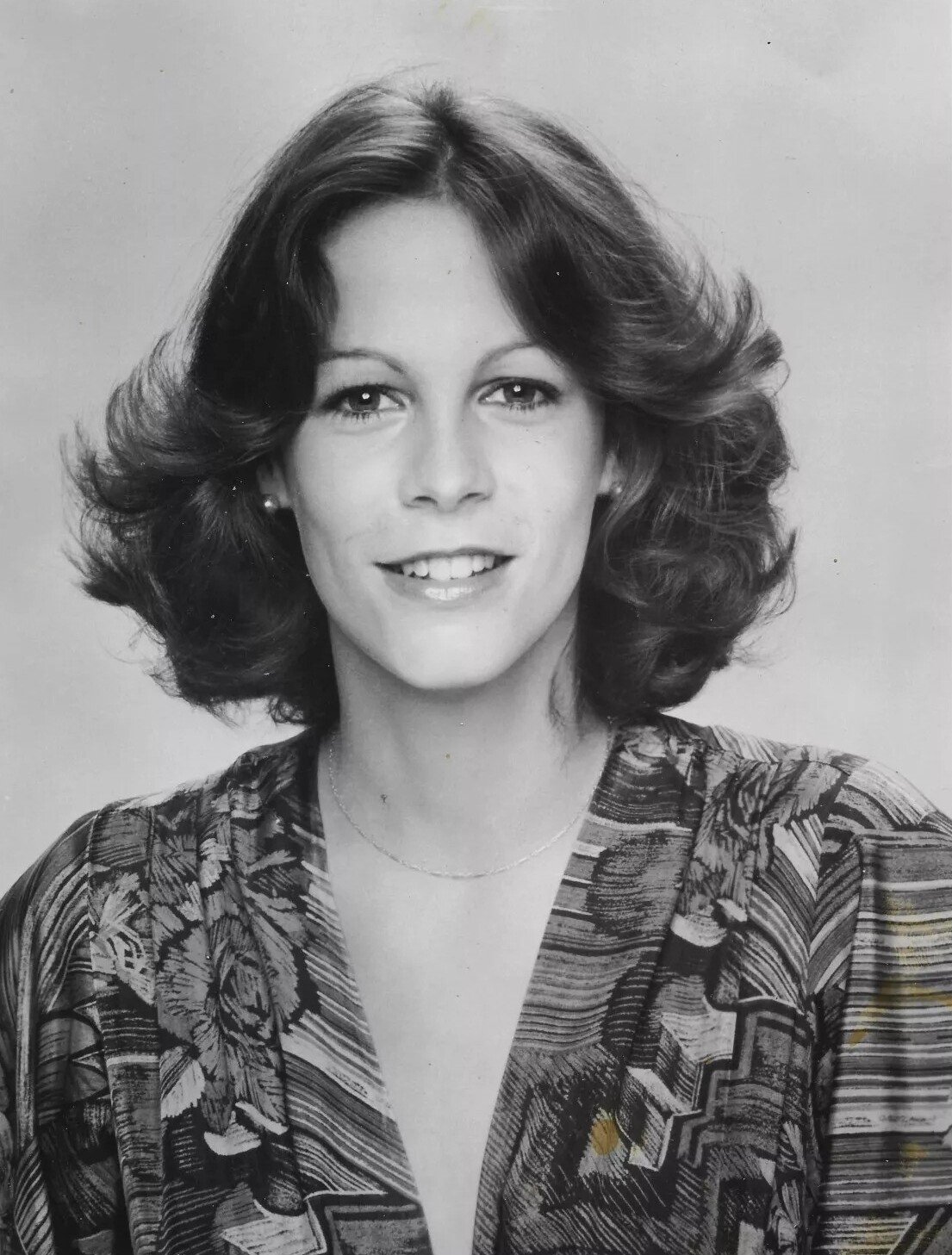
Jamie Lee Curtis | Actress
The term "scream queen" was practically invented for Jamie Lee Curtis. Her debut in Halloween (1978) as Laurie Strode established the final girl archetype that defined an entire subgenre. She returned to the franchise repeatedly, most recently in Halloween Ends (2022), and what she brought to the character across four decades was a genuine emotional evolution that few horror performances ever attempt.
She also starred in Kathryn Bigelow's Blue Steel (1990), The Fog (1980), Prom Night (1980), and Terror Train (1980), releasing three horror films in the same year, which tells you everything about the moment she was having. An Academy Award winner for Everything Everywhere All at Once (2022), Curtis is one of the few actors who crossed from genre royalty to mainstream critical recognition without abandoning where she came from. More recently she appeared in the series The Bear with a raw and brilliant performance earning her an Emmy.
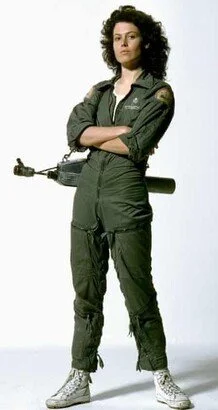
Sigourney Weaver | Actress
Ellen Ripley changed everything. When Alien arrived in 1979, the idea of a woman as the sole survivor and primary action hero of a horror film was genuinely radical. Sigourney Weaver played Ripley across four films, and what she built over that span was one of the most fully realized characters in science fiction horror history: capable, scared, angry, maternal, relentless.
The image of Ripley facing the Xenomorph in the original film's climax is one of the most iconic moments in cinema. She earned it by making Ripley a real person first. And, she did it a few more times in Aliens (1986), Alien 3 (1993) and Alien Resurrection (1997). She’s gone on to have an impressive acting career outside of horror, but she’ll always be Ripley to me.
Kathryn Bigelow | Director
Near Dark is actually a perfect example of how Hollywood connections worked, and still work, in practice. Bigelow was dating James Cameron when she made the film in 1987, and Cameron, fresh off Aliens, suggested she use his cast. Lance Henriksen, Bill Paxton, and Jenette Goldstein all came directly from Cameron's set to hers. It's hard to imagine that was pure coincidence, and the Cameron relationship certainly helped sustain her career momentum through Point Break and Blue Steel that followed.
But here's the thing: the talent was never borrowed. Near Dark is one of the great (yet lesser known) vampire films, moody, atmospheric, and completely its own thing. And Bigelow eventually became the first woman to win the Academy Award for Best Director for The Hurt Locker in 2010, beating Cameron himself, who was nominated that same year for Avatar. She did that on her own.
Jennifer Kent | Director
The Babadook (2014) didn't just scare people. It shifted the conversation about what horror could be about: grief, depression, the weight of single parenthood…very human things. Jennifer Kent wrote and directed it on a modest budget and it became one of the most discussed horror films of the decade, with good reason.
More than any other single film, The Babadook is credited with opening the door for a new generation of women directors in horror. It proved there was a serious audience for horror that operated on an emotional and psychological level, and it did so with a woman's perspective front and center. Kent didn't follow it with another horror film, which is arguably what makes the influence even more interesting. One film. Lasting impact.
The Next Generation
A few newer names worth watching…the horror is strong with these.
Issa López, who we've highlighted previously for Tigers Are Not Afraid (2017) and True Detective Season 4 (2024), is building a body of work that puts her in genuinely elite company. Coralie Fargeat's The Substance (2024) earned her an Academy Award nomination for Best Director, making her only the tenth woman ever nominated in that category, and won Best Screenplay at Cannes. Both are doing work that doesn't imitate what came before them. That's the point.
Then there's Nia DaCosta. The Candyman (2021) remake had its issues (maybe I love the original too much), but it made her the first Black female director to open a film at number one at the U.S. box office, which is a milestone regardless of how you feel about the film. After a few other not-so-great-non-horror films, she directed 28 Years Later: The Bone Temple (2026), the second film in the new trilogy and it’s a great film, easily her best work…almost beautiful even, which is not something you hear about horror movies too often. Hopefully it’s a sign of horror-things to come for her.
And if you haven't seen Obsession (2026) yet, go. Inde Navarrette's performance as Nikki Freeman is one of the year's best, in any genre. She plays a character who is simultaneously villain and victim, and she refused to simplify either side of that. At 25 years old, with that kind of range already on film, she's someone the horror genre should be very interested in keeping around.
About The Author
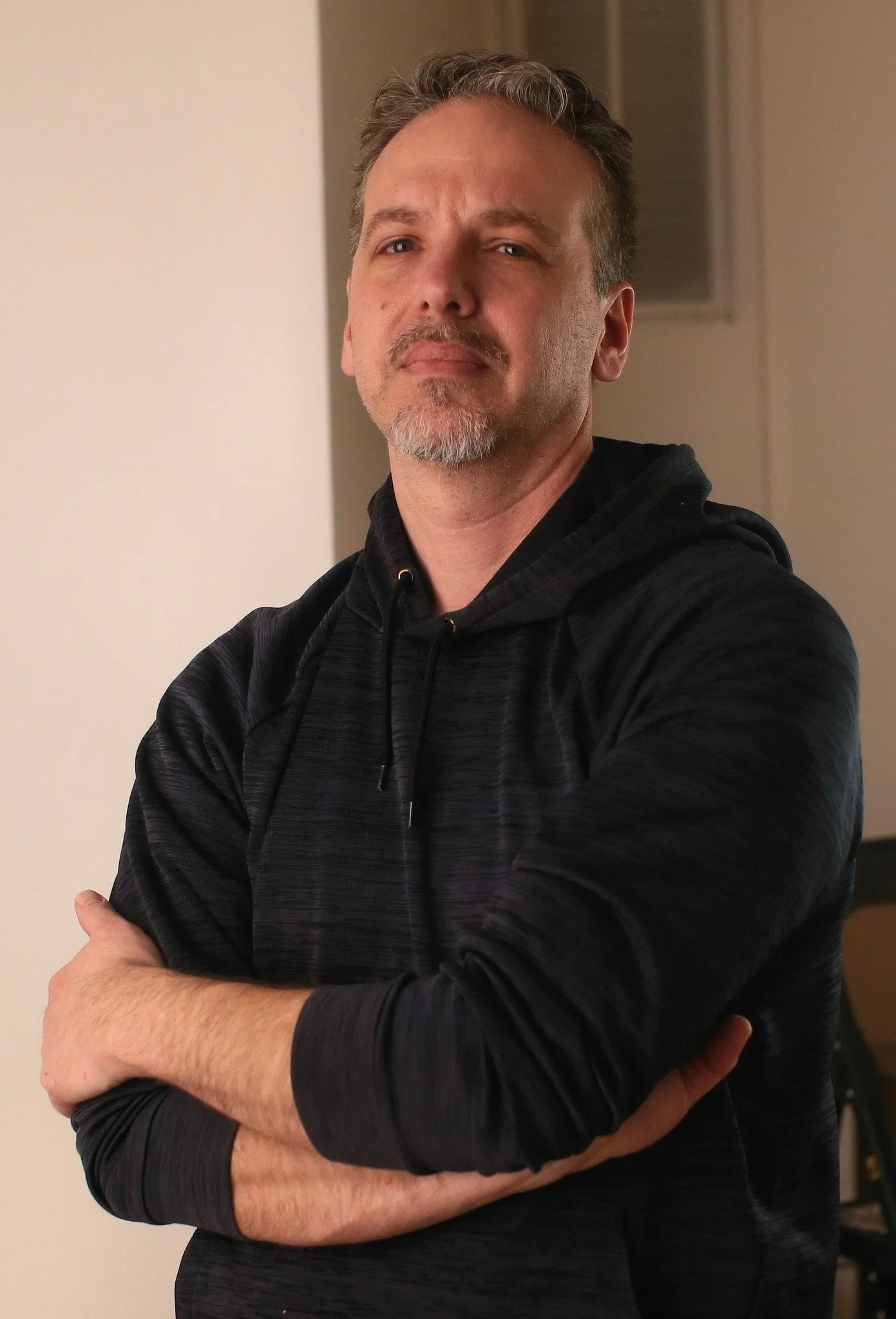
Mike Meyerson is the founder of FEELING CREATIVE?, and has been a horror nut ever since Alien and The Exorcist gave him nightmares as a boy. Currently located in NY’s Hudson Valley Region, is always looking to build the network, find a new cool trail to hike and a new horror movie to watch.
Read Mike’s other articles - HERE.