"Royalty-free" doesn't mean free. It means you pay once and don't owe royalties every time someone watches your film or commercial. That's a meaningful distinction, and not knowing it has cost filmmakers real money, sometimes after the fact, when a licensor finds their work on YouTube and sends a claim or an invoice.
So now that we have that out of the way, where does the music actually come from?
What is Production Music, Exactly?
Production music (also called library music or stock music) is music created specifically for use in film, television, advertising, and digital content. It's pre-cleared for licensing, which means the rights are already sorted out. You search a catalog, find a track that fits your scene, pay the licensing fee, and you're done. No negotiating with a band's agent, no chasing down a publisher, no wondering if the songwriter signed over their music rights.
For the working indie filmmaker, it solves a real problem: you need professional-sounding music on a budget and a timeline that doesn't allow for hiring a composer on every project.
What Royalty-Free Music Actually Means
Under a traditional music license, you might owe "performance royalties" every time your film is broadcast or screened publicly. Royalty-free licensing replaces that model with a one-time fee. You pay upfront, and the license covers your specified use cases, often including theatrical screenings, online distribution, and broadcast depending on what tier you buy.
Online music platforms like Motion Array and Shutterstock have become popular with video creators and filmmakers because they bundle royalty-free music into subscription plans alongside video templates, stock footage, and plugins. It's a practical option, especially if you're producing a lot of content and need music regularly rather than occasionally.
The catch with library music is the same as the upside: it's pre-made. You're searching for something that fits your scene, not creating something for it. That's fine for most commercial, documentary, or short-form work. For a feature, it starts to feel like a severe limitation.
Where Indie Filmmakers Actually Search
Beyond the big subscription platforms, filmmakers find production music through several channels. Melodie, Filmstro and others have built dedicated followings among the filmmaker community, each with slightly different licensing models and catalog personalities. Some skew more cinematic, others more contemporary. Free trials are common, so it's worth exploring before committing to a subscription.
For sync licensing of existing commercial music (the stuff you actually recognize), TAXI and SourceAudio connect filmmakers with rights holders. Costs go up significantly here, and the process takes longer, but if a specific song is essential to a scene, it's the path to take.
Film schools, music schools, and composer forums are another avenue. A lot of early-career composers are actively looking for short films and student projects to build their reel. The work may be low-cost or deferred, and the results can be extraordinary if you find the right match.
When a Library Isn't Enough
There's a point in every serious film project where you realize library music isn't doing the job. Tracks can sometimes feel generic and “canned”. The scene has a specific emotional gravity and timing that needs something built for it. That's when an original score stops being a luxury and becomes a necessity.
I’ve personally worked with Arnaud Drieu on a short horror project. He’s a Paris-based film score composer, whose work has taken him across international co-productions, features, and shorts, collaborating with directors across multiple countries. His approach is collaborative from the start, often getting involved during pre-production to develop thematic material before the cut is locked. That early involvement shapes how the score integrates with the film rather than getting layered on top of it afterward. You can hear examples of his work at ArnaudDrieu.com.
The common assumption is that original scores are only for well-funded productions. In practice, the conversation is worth having earlier than most filmmakers think. Arnaud’s rates are very fair and work is great.
The Sound You Don't Notice Is Doing the Most Work
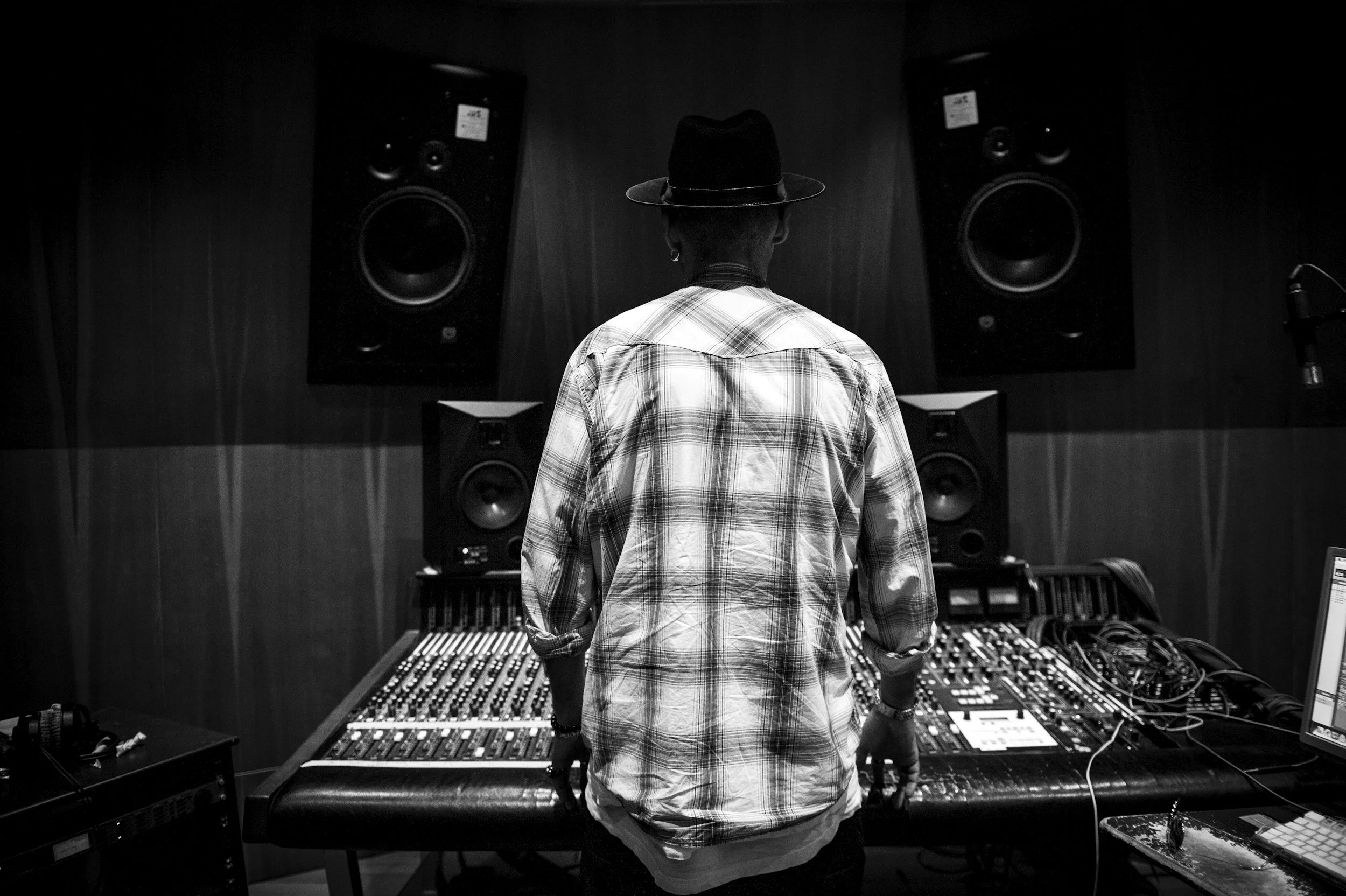
Music gets most of the attention when it comes to film sound, but it's only part of the picture. Foley, the art of recording and performing everyday sound effects in sync with picture, is the invisible layer that makes a film feel real. The footsteps, the fabric, the ambient texture of a room, none of it is captured cleanly on set. It all gets recreated in a Foley studio by artists who have developed highly specific techniques for matching performed sound to image.
Another personal recommendation is Alchemy Post Sound, based in Peekskill, New York. Leslie and his team have built a reputation as one of the more accomplished Foley houses working today. Their credits include The Bear, Happy Gilmore 2, Prey, among many others, including many award winners. The Alchemy team approaches Foley as a craft or even science, which is why their work keeps showing up productions where sound is being taken seriously.
For indie filmmakers, understanding Foley matters because the moment you start watching films with it in mind, you realize how much of what you feel during a scene isn't coming from the score or the dialogue. It's coming from the ground under the characters' feet.
The Short Answer
For production music and royalty-free tracks, platforms like Melodie and Filmstro give you a practical, licensable catalog without the overhead of traditional sync licensing. For original scoring, the conversation should start earlier than you think and costs less than you assume if you find the right composer. And for sound design and Foley, if you're serious about the final product, it’s worth understanding what a professional Foley studio actually does, because the difference between a film that sounds real and one that doesn't is almost never the music…it's everything else.

Recommended Reading: The Ultimate Guide to Headphone Comfort: Listen for Hours Without Pain
Author Bio:
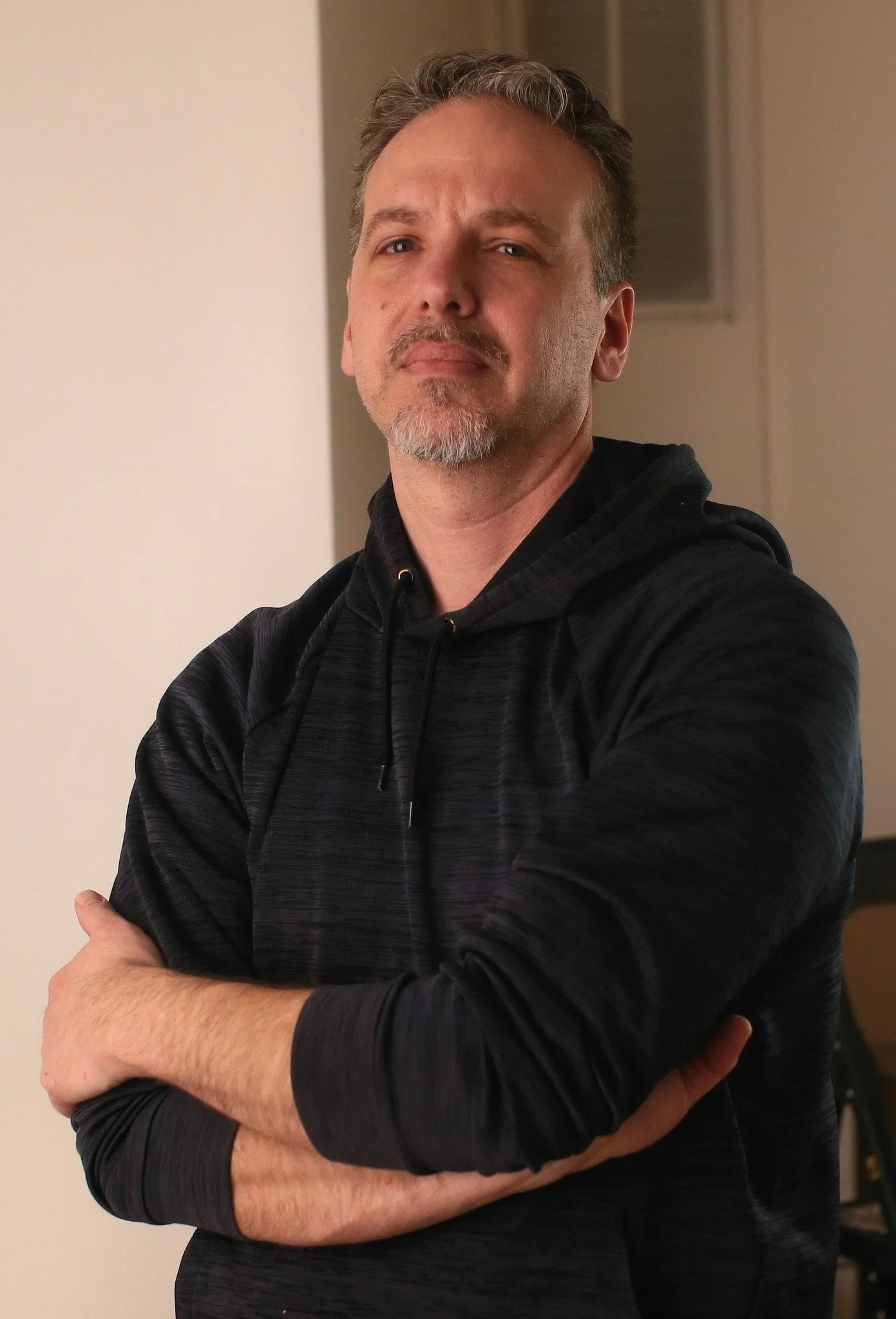
Mike Meyerson is the founder of FEELING CREATIVE?, and has worked in the video/advertising and TV commercial industry for over 25 years. He also enjoys photography and has dabbled in screenwriting. This site started as a spark of creativity that snowballed into a passion project. Currently located in NY’s Hudson Valley Region he’s always looking to build the network, find a new cool trail to hike and is already looking forward to his next cup of coffee. He also writes about video stuff as his alter ego “The Angry Video Guy”.
Read Mike’s other articles - HERE.