
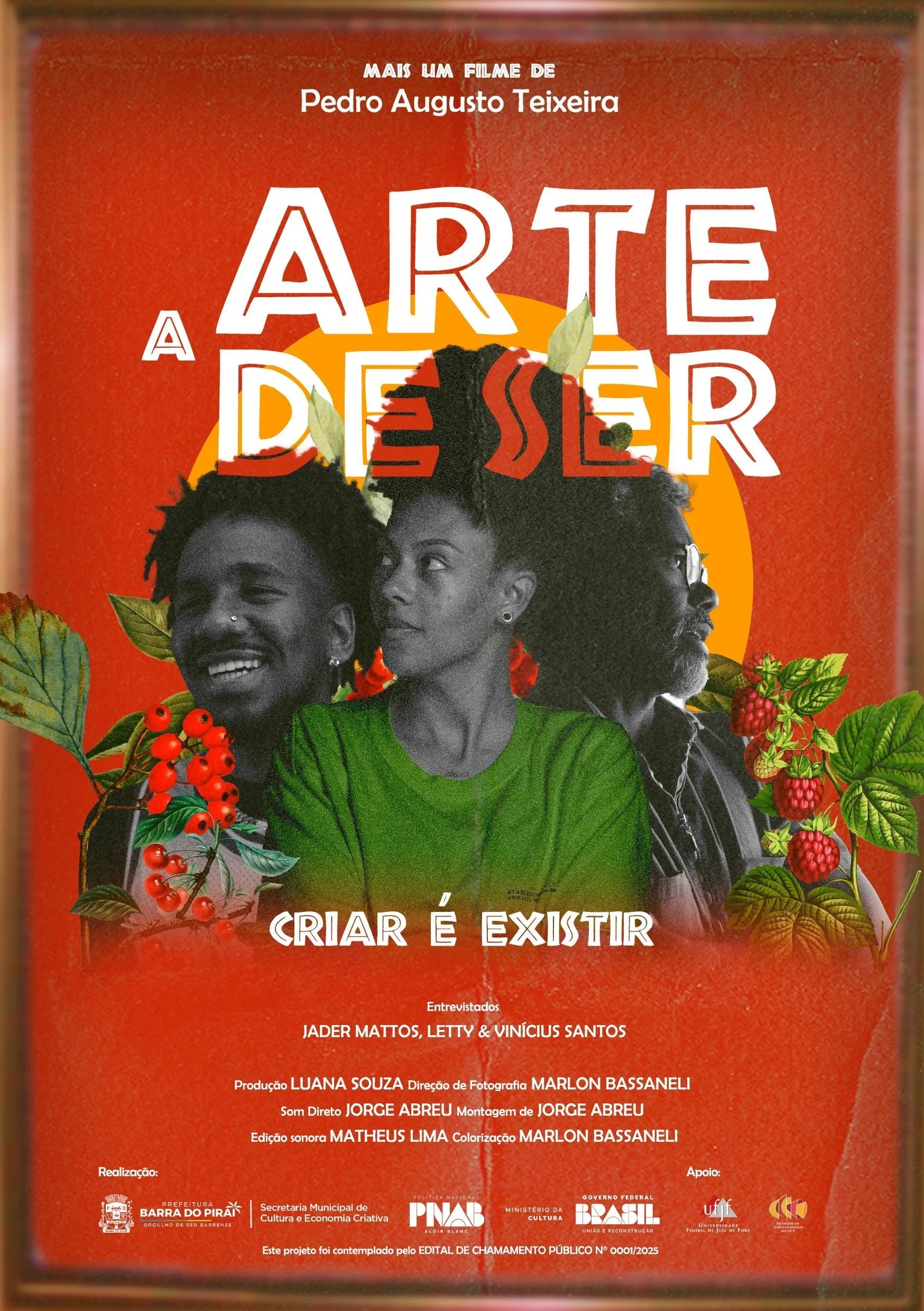
A Brazilian Documentarian on Art, Identity, and Making Something from Nothing
Editor’s Note: Our latest interview comes from Clinton R. Siegle, who’s brought his conversations to FC before. This time he sat down with Pedro Augusto Alves Teixeira, a Brazilian documentary filmmaker whose film A Arte de Ser won the Audience Award at the Dedallus Play Film Festival. Pedro documents young Black creators in Brazil - artists making work without big budgets or institutional support - and asks what it actually takes to build an artistic life from the ground up.
Enjoy. -Mike
What motivated you to document the entry of young Black creators into artistic production?
What motivated me to document this process was my personal connection to the subject. As a young Black person and an artist myself, I constantly feel the need to place these aspects of my identity at the center of my work and to tell stories that connect with my own experiences.
In Brazil, young Black people still face various forms of marginalization and difficulties in accessing and remaining within spaces of artistic production. For this reason, I believe it is important to create films that showcase these journeys, value these artists, and, above all, encourage other young people not to give up on their dreams. In a way, this film also serves as an encouragement for me to continue believing that it is possible to make a living through art.
How did you select the individuals featured in the documentary?
It was an intense process of research and searching. When I defined the subject of the documentary, the first person I found was Vinícius Santos, through online research. I came across an interview he had given to a local television channel in the Southern Fluminense region of Rio de Janeiro. As I learned more about his work, I realized that his journey directly connected with what I wanted to portray, especially because of the way he places Black people at the center of his artistic production.
Letty was the second person selected. After talking to different people and looking for references to artists from Barra do Piraí, her name was recommended for the project. I learned more about her work and realized that her journey also contributed to the film's proposal.
I already knew Jader personally, and over time I became more familiar with his artistic work. I realized that his journey complemented the other two and that his participation would be very important to the documentary.
All three agreed to participate in the project from the beginning and also connected with its proposal, understanding that their stories made sense within the narrative I wanted to build.
What systemic barriers did your interviewees highlight most frequently?
Among the main barriers are racism, economic circumstances, the places where these artists live, and the lack of recognition for artistic production from peripheral communities. These issues make it more difficult both to access opportunities and to sustain oneself professionally through art.
The documentary also shows how, despite these difficulties, these artists continue creating and finding ways to occupy spaces that were often not designed with them in mind.
How did your own creative journey inform the perspective of this film?
This film is very personal to me. Although I am not at the center of the narrative, it is about artists who are struggling to make a living through art, and I find myself at exactly that stage in my own life.
For this reason, I believe that my experience as a young Black person and filmmaker directly influenced the way I approached these stories. I did not want to simply observe these artists, but to get closer to their experiences and also understand what it means to try to build an artistic career when you are still at the beginning of your journey.
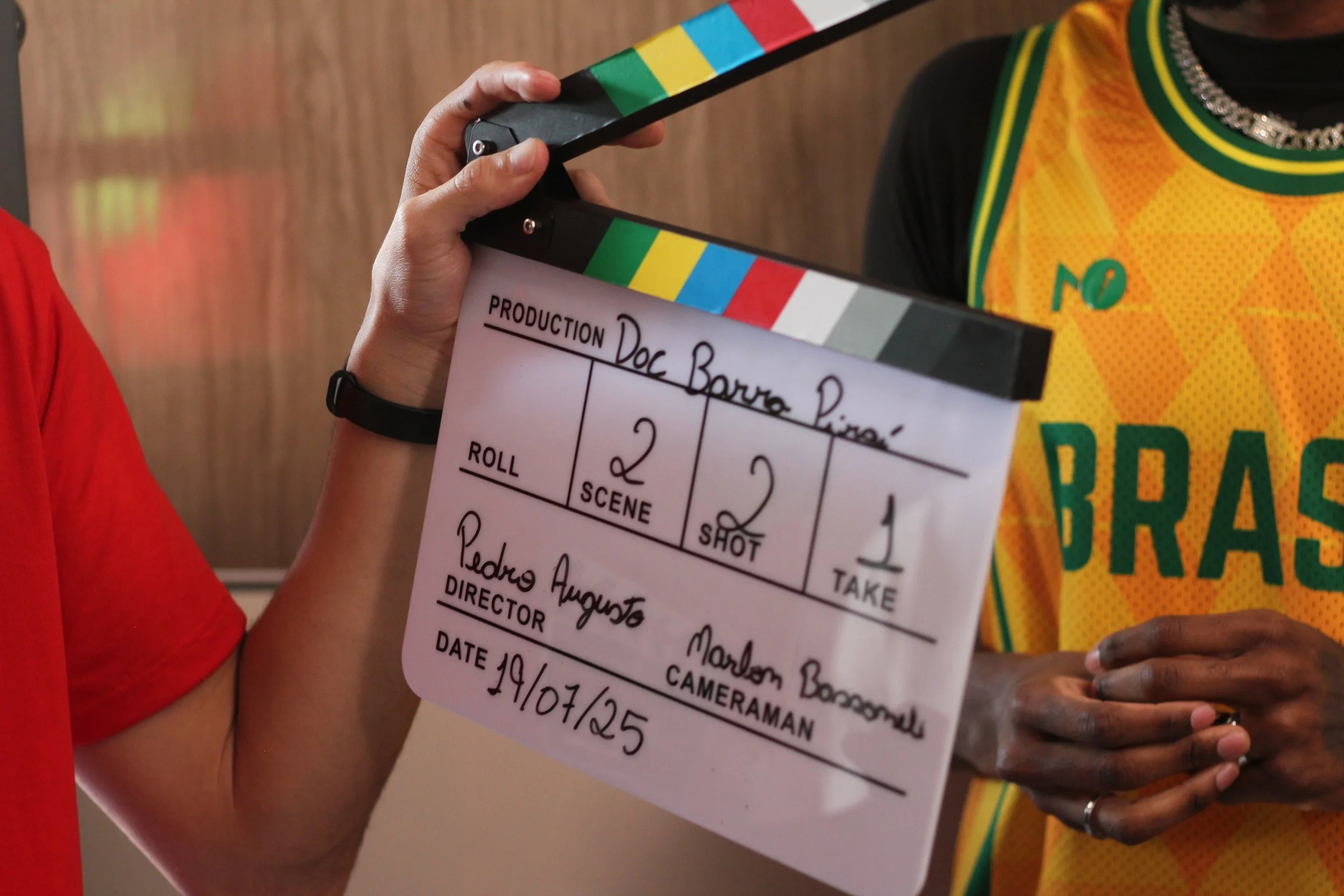
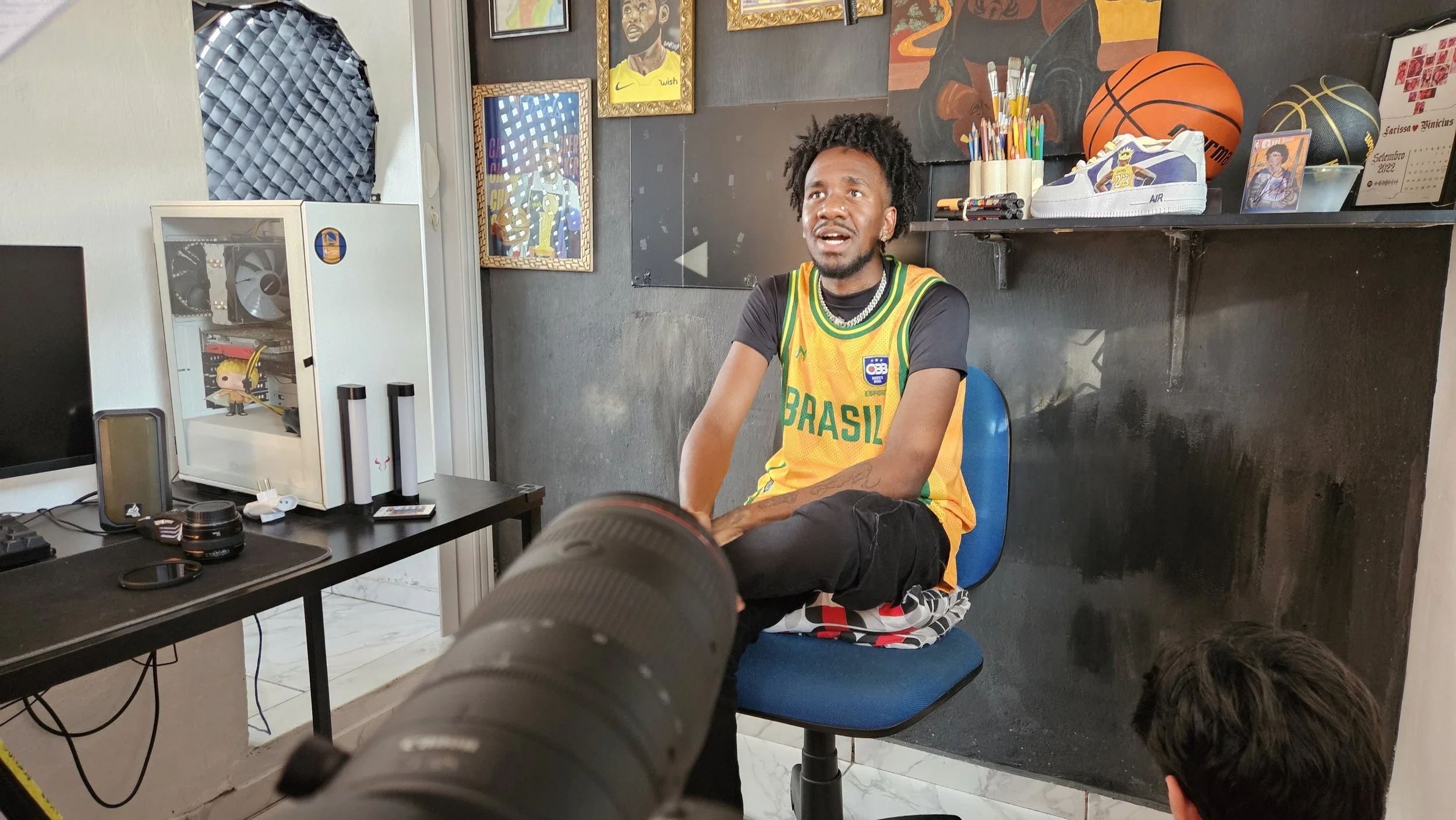
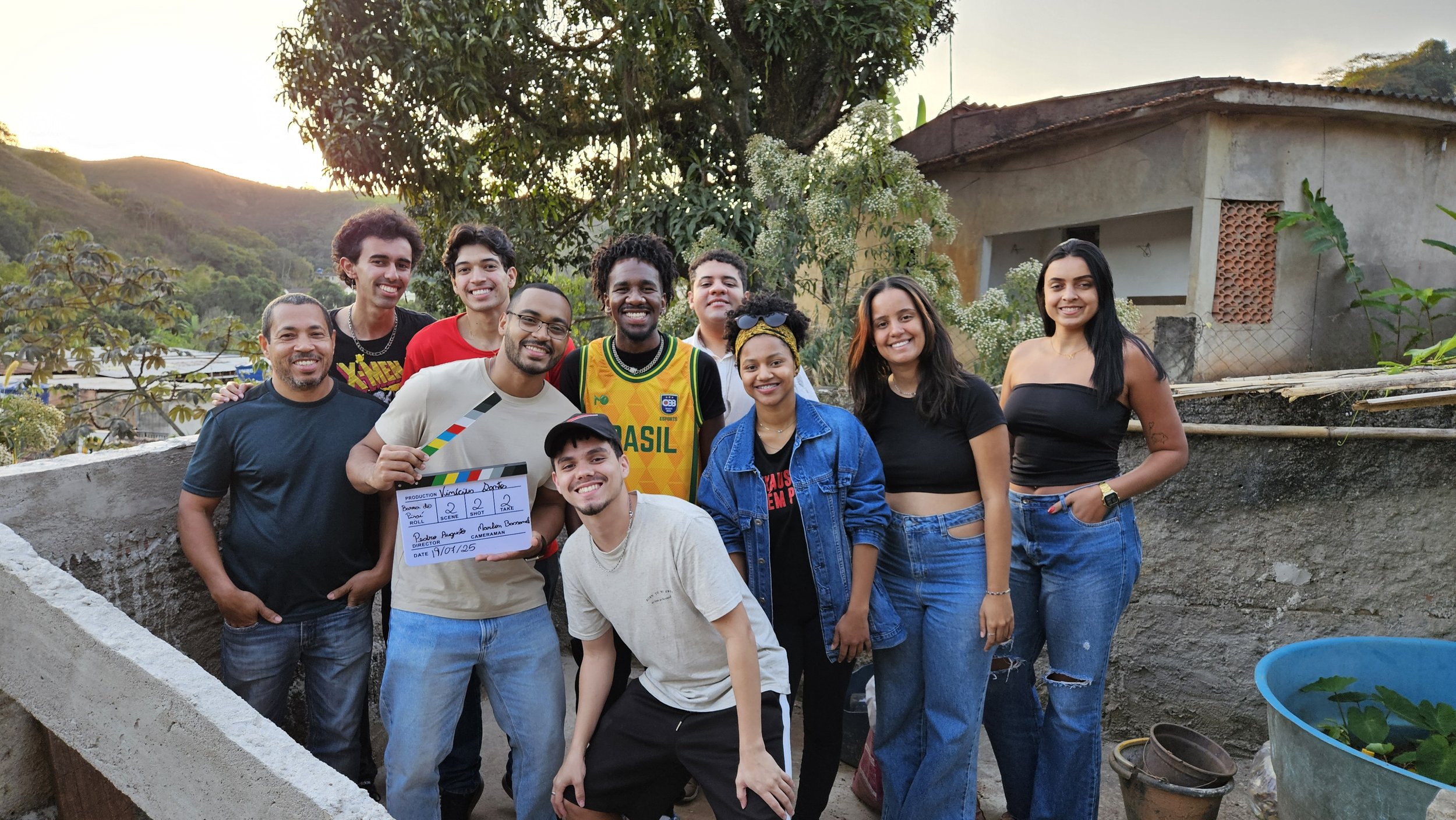
What actionable changes do you hope the film inspires within the industry?
I hope the film allows young Black people to see themselves in these stories and find in them the motivation not to give up on pursuing a career in the arts. I also hope it inspires other young people to create their own films and tell their own stories.
I want to show that filmmaking does not have to begin with large structures or millions of reais. Often, it begins with friends, acquaintances, and family members who believe in an idea and are willing to build it together with you. That is how this film came to life, and I believe other people can also find their own ways to get started.
How did you handle sensitive discussions around workplace discrimination and access?
While preparing the script and the questions for the interviewees, I was very careful about how these issues would be approached. I tried not to treat experiences of discrimination simply as information for the film, but as personal experiences that needed to be respected.
I also tried to put myself in the interviewees' shoes and think about how I would want someone to approach these issues with me. The intention was to create a space for conversation where they could speak honestly about their experiences without feeling that they had to reveal anything beyond what they were comfortable sharing.
What role do film festivals like Dedallus Play serve in amplifying these messages?
Unfortunately, many independent films face difficulties reaching audiences after they are completed, and festivals end up playing a fundamental role in this process. They create exhibition opportunities, connect filmmakers from different places, and allow films produced with smaller structures and budgets to reach new audiences.
For a film like A Arte de Ser, participating in festivals also means expanding the conversation around these artists' journeys and allowing their stories to reach people who might otherwise never have encountered them. More than simply screening films, I believe festivals help create a network for the circulation of independent cinema and encourage dialogue around these works.
What guidance would you offer young Black artists entering the market today?
Don't give up on your dreams and, above all, don't wait until you have perfect conditions to get started. Today, audiovisual production is everywhere, and there are many different ways to create and learn.
Start somehow, even if you have limited resources. Meet people, create together, take part in projects, and seek to occupy spaces that belong to you as well. Often, an opportunity comes from someone you met while working on your very first project.
I am also on this journey, and I still have a lot to learn. That is why I think it is important to remember that we don't need to have everything figured out before we begin. We need to believe in the stories we want to tell and find people who believe in those stories too.
Filmmaker Biography:
Pedro Augusto Alves Teixeira is a dedicated documentary filmmaker and visual journalist. His empathetic approach to non-fiction storytelling highlights human resilience, artistic expression, and cultural identity. His acclaimed short documentary A Arte de Ser won the Audience Award for Best Documentary Film at the Dedallus Play Film Festival.
Interviewer Bio:
Clinton R. Siegle is an award-winning independent filmmaker, writer, and interviewer whose work has screened at 146 international film festivals and earned 14 awards. His films explore the boundary between the real and the surreal, often examining time, perception, and the human experience. Beyond filmmaking, Siegle is a cultural interviewer and archivist, documenting long-form conversations with artists, creators, and thinkers. As a writer and essayist, his work—spanning fiction, cultural commentary, and experimental storytelling—has reached over 8.49 million views worldwide. Through film, writing, and dialogue, he bridges history and myth, science and speculation, inviting audiences to question the world they inhabit.
Check out Clinton’s other articles: HERE
