
By Christopher Valentine
In this post I will be explaining the different classifications of hero characters in fiction. The information I will share here is extremely important to me. For those among you who have read my previous entries about Damara, the Valiant Knight, and even writing as a scientific concept no different than the work of Thomas Edison, you'll find many similar ideas being explored here. Chiefly among them will be my dissection of the character of Superman and other characters like him. And it is here, dear reader, that I must warn you. I have exceptionally strong opinions on the matters that will be examined. So, read on at your own peril, and please have fun if you do.

THE PRIMARY TWO CLASSIFICATIONS
To begin our discussion properly, I will quickly go into the primary two types of hero characters that exist in fiction. These two types fall into several commonly recurring tropes, storylines, motifs, and so on and so forth that allow individuals to group them into character archetypes.
Firstly, I would like to preface this by saying that it isn't just these two, of course. When you actually get into the finer details of each respective character, you'll likely find tiny factors or inconsistencies that allow them to be their own person. And from there we could very well get into a discussion about another concept called sub-archetypes. However, what I wish to discuss here are the broad strokes, the most commonly reoccurring factors and tropes shared between the largest number of different characters.
So, with enough preamble, the two main classifications for hero characters are the aspirational and the cathartic motivational.
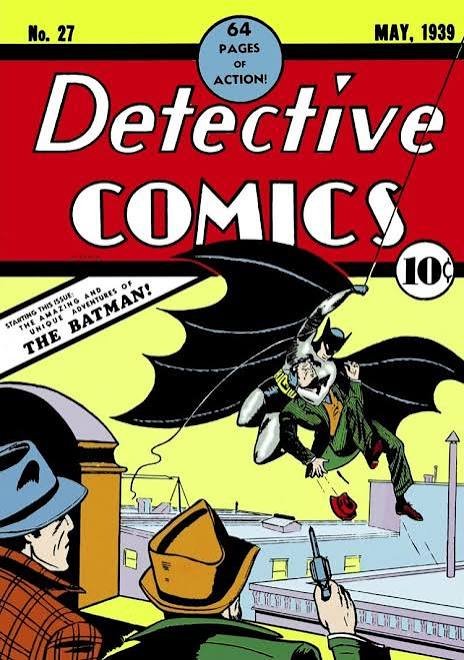
The aspirational ones are those characters who seem near morally flawless. These are the characters who are usually extremely eager to devote their lives to the greater good, whether or not that means they have to take on extreme sacrifice. When you see one in a story, regardless of medium, you're usually supposed to admire their noble qualities and try to copy them. Such examples include, but are not limited to, Superman, Captain America (Steven Rogers), Batman and Luke Skywalker.
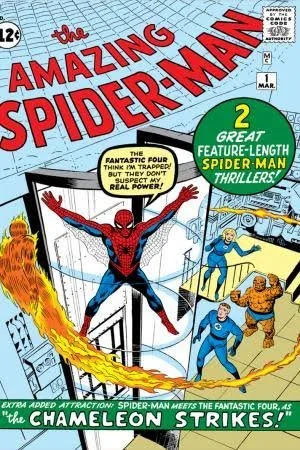
On the other hand, you have the cathartic motivational heroes. These individuals are those who are extremely morally flawed. It's very common for them to make serious mistakes. To illustrate my point, I urge you to look over early Spider-Man comics, specifically amazing spiderman #1. We all know the story about Peter being selfish and that act leading to his uncle's death. However, there's another moment sometime after when the bills are piling up, and Peter, in his desperation, seriously considered robbing banks and such with his powers to payoff his family's debts.
I was genuinely shocked when I read that the first time. But, of course, because Peter's a good person at heart, he doesn't go through with it. However, the fact that he considered it was a clear indication of how different he was from a character like Superman. Again, broadly speaking, the reason why the vast majority of the viewing public likes cathartic motivational heroes is so we can watch their respective journeys to become better people. Such examples include, but are not limited to, Daredevil, Ironman, and, yes, Spider-Man.
And again, the characters who fall into either classification obviously aren't exactly the same. The way Superman performs as an aspirational hero is different from how Captain America does it, which is different from how Luke Skywalker did it, and so on.
THE IMPORTANCE
However, you may be asking, why is this information important? As I've said previously, I've been extremely disillusioned with mainstream fandom and entertainment, and that was one of the primary reasons why I strove to become an independent writer. After some thought, I think it's better if I don't explicitly name the projects that set me off on this quest. Still, I must explain the damage they've done to the best of my ability so that others can understand the gravity of the matter. A lot of issues that bother me to this day came from the handling of characters like Superman and the others I listed here. In short, the importance of this matter can be directly linked to the mistreatment of the characters and, as a consequence, violations of how writing should be treated as a science.
From what I hear now and again, the situation around aspirational heroes may have changed for the better. But still, for my own reasons, I refuse to trust such news. However, even if it did, I still believe that its immensely important to dissect where things went wrong. Remember Thomas Edison regarded his failures as all the ways not to succeed in his scientific goals. Additionally, outside of that there is the old saying, "Those who do not learn from their past are doomed to repeat it."
As I stated before, the aspirational hero archetype has several recurring themes and ideas. Naturally, because of this, there are rules that must be followed when writing for them. And said rules should be taken deadly seriously. As I keep saying, this is no different than any scientific field you can name that has established facts and principles from prior research. And this is especially true for aspiring creators. To paraphrase another saying that I believe perfectly summarizes my point, "You must learn the rules to break them properly."
THE NO-KILL RULE
However, to get into some practical examples of what I mean, allow me to dissect the infamous no-kill rule. There has been over a thousand different things said about this rule. Still, what I want to tackle about it is its importance to aspirational hero characters.
Presumably, we all know about Superman and Batman's no-kill rules. I've personally heard many different criticisms about Clark and Bruce's refusal to kill their enemies. But what these critics miss is how important the rule is to the storytelling for these characters. If the aspirational hero was allowed to kill their opponents without consequence then the story loses a lot of its meaning. We lose out on the moral questions about redemption that Batman offers. Furthermore, we also miss the struggle of being especially empathetic even to people who have done evil things before in a cruel world that Superman offers. And all the interesting themes about isolation and self-reliance that could spawn from the setup. My fellow HSPs and I could certainly relate to that.
Still, that's not to say that the aspirational hero can never kill. As I stated previously, they all do it in their own ways. For example, Captain America and Luke Skywalker both fit into the archetype, but they've killed before in their respective stories. However, the thing that makes it work is that the writing did the heavy lifting to earn it, showing that the hero in question only indulges in such acts as much as necessary. Once more, writing is a science that requires specific inputs and certain outcomes can be reached with different combinations of said inputs to garner results similar to the ingredients in a formula. And again, this is very fertile ground for storytelling, exploring where its most moral to go through with killing vs where its best to spare the wrongdoer. A certain movie I watched long ago completely failed at this.
Conclusively, to illustrate my point, just imagine how comical, in a bad way, it would be if a character like Deadpool decided to make an inspirational speech about the virtues of hope and choosing the path of non-violence with legitimately no joke to it out of the blue. We would all rightfully call that bad writing.
THANK YOU!
Lastly, I would like to thank everyone who took the time to read this post to its conclusion. And once more, I hope everyone had fun.
About the Author:
Christopher is a returning contributor to Feeling Creative?. He is a proud fantasy and sci-fi author from Jamaica who adores the works of J.R.R. Tolkien. Visit his website.
Read his previous posts: Here
Patreon: Christopher297
