We’ve written about marketing tips for artists, now here’s some for the authors out there.
Writing the book was the hard part. Marketing it doesn't have to be the afterthought.
There's a moment every indie author knows. The book is done, it's live on Amazon (congrats, you did a thing!), and the silence that follows is deafening. You did everything right. You just did it in the wrong order.
Most writers treat marketing like a post-publication problem. It isn't. By the time your book is live, the window for building real momentum has already been open for months. The authors who figure that out early have a significant advantage over everyone else.
Here's what the marketing side actually looks like before and around launch, from someone who comes at this from a marketing background rather than a publishing one.
You Need a Website. A Real One.
Not an Amazon author page. Not an Instagram profile. An actual website on a domain you own.
Yes, this is important stuff, and it's the thing most indie authors skip because it feels like extra work on top of everything else. But here's the problem: every guest post you write (maybe even here), every backlink you earn, every piece of press you get, it all needs somewhere to point. If that somewhere is your Amazon listing, you're building Amazon's authority, not yours. Amazon doesn't need the help. Sure, linking to your book is important, but you’re missing an opportunity to build real SEO.
When you have a website, it becomes your home base. Everything else is just roads leading back to it. You don’t need to be a web designer and your site doesn't need to be complicated. A bio, your book, a way to contact you, and a blog or articles section where you can publish content over time. That's it. But it needs to exist, on a domain you own, before you start doing anything else.
Your Cover Is Your First Marketing Decision
Before a single reader opens your book, before they read the description, before they check the reviews, they see the cover. And they make a decision in about three seconds.
A cover that feels cheap, generic, or low-effort signals something to a potential reader whether you intend it to or not. That signal is instantaneous and it's almost impossible to overcome once it's been made.
This matters even more in the current climate where AI-generated covers are everywhere and readers have gotten surprisingly good at spotting them. Spend any time on Reddit's indie author communities and you'll see the reaction firsthand: an author posts their book, someone notices the cover looks AI-generated, and the conversation immediately shifts away from the book itself. Right or wrong, that's the reality and one you should avoid.
There are talented designers and illustrators working at every price point, many of them actively looking for indie author projects. For the amount of time and effort you put into writing your book, it deserves a cover that will grab people’s attention and make them want to check it out. I wrote a deeper dive into the importance of book covers, if you’re interested - click here: The Book Cover Is an Author’s Most Important Marketing Decision
Build Your Platform Before Your Book Comes Out
Here's the thing nobody tells you early enough: your audience should exist before your book does, even if it's small.
That means starting a newsletter. Not a massive one, not a polished one, just a list of people who are genuinely interested in what you write about. Even 200 people who actually care are worth more than 10,000 social media followers who don't. You own your email list. You don't own your followers. Instagram can throttle your reach tomorrow and there's nothing you can do about it.
It also means getting your name out there before launch through guest posting, contributing to publications your readers already visit, and showing up in the communities where your genre lives. A mystery writer should be in mystery reader communities. A sci-fi author should know where sci-fi readers hang out online. Find those places and become a genuine participant, not just someone dropping in to promote a book.
Get Early Readers Before You Launch
Reviews matter enormously on Amazon and Goodreads, and the catch-22 is that you need reviews to get visibility but you need visibility to get reviews. Hmmmm.
The way around it: advance reader copies, or ARCs. Before your book launches, send copies to readers who are willing to read and review in exchange for early access. These can be found in genre-specific Facebook groups, on Goodreads, or through services like BookSirens or StoryOrigin. Even ten or fifteen honest reviews at launch gives Amazon's algorithm something to work with and gives new readers the social proof they need to take a chance on an unknown author.
Where Your Readers Actually Are
Social media is not where book sales happen for most indie authors, at least not in the way people think. BookTok has worked for some writers spectacularly, but it's the exception, not the formula.
Your readers are more likely in genre-specific subreddits, Goodreads groups, Facebook reader communities, and niche blogs dedicated to exactly the kind of book you wrote. Those are slower to build than a viral TikTok but they're also more durable. A recommendation from a trusted voice in a tight-knit reader community is worth a hundred algorithmic impressions.
The Long Game
Most books find their audience later than their authors expect. Sometimes much later. That's not a failure of the book, it's just how discovery works when you're starting from scratch without a publisher's marketing budget behind you.
The writers who keep going, keep building their platform, keep getting their name out there through guest posts and community participation and genuine connection with readers, are the ones who eventually break through. It compounds. Slowly at first, then faster.
Your book deserves to be found. The marketing just has to start before you think it does.
One disclaimer: I'm a marketing guy, not a published author. For real advice from writers who have actually been through it, FEELING CREATIVE? has some genuinely useful perspectives from people in the trenches. Check out Perfection Is the Enemy of the Indie Author, My Top 3 Mistakes as an Indie Author, and The Writer's Guide to Self-Publishing. Between those and this, you've got a decent starting point. Good luck.
Writing for FEELING CREATIVE? is one way to start building that platform. We publish writers at all levels who want to share their process, their expertise, and their perspective with a community that genuinely cares about creative work. Free to submit, permanent backlink, real readers. Write for us here.
About The Author:
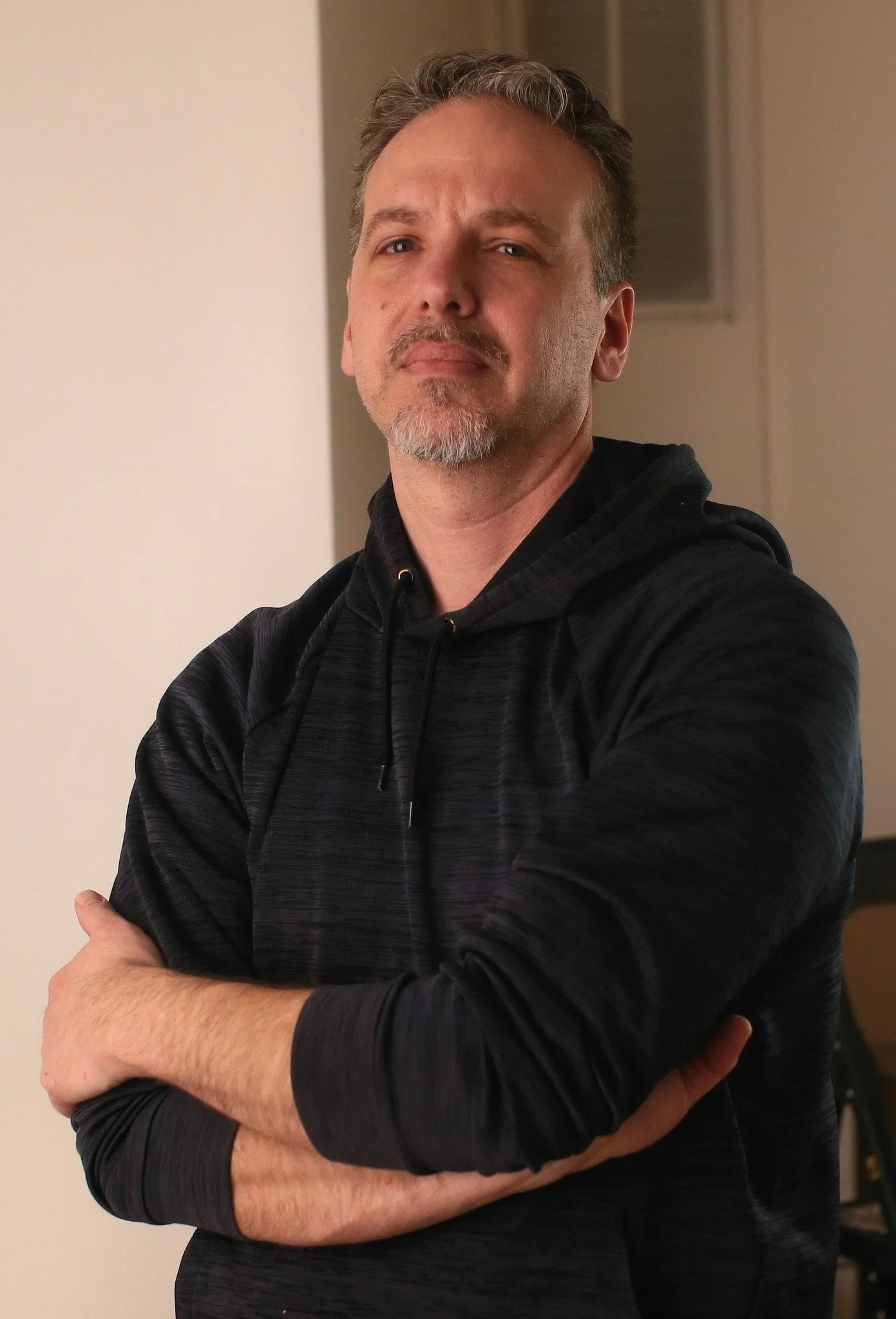
Mike Meyerson is the founder of FEELING CREATIVE?, and has worked in the commercial video production industry for over 25 years. Currently located in NY’s Hudson Valley Region, is always looking to build the network, find a new cool trail to hike and a new place to grab a slice of pizza.
Read Mike’s other articles - HERE.
Recommended Reading: What I Learnt Publishing My First Book