

I LOVED My Creative Work! So Why Did I Avoid It for So Long?
Whit Lauren spent years beating herself up for procrastinating on creative work she loved. Then she swapped self-judgment for curiosity — and started asking better questions.

The Marketing Machine Behind Your Favorite Music
Vocal coach turned music marketer Laurelanne Davis on what happens before release day: playlist pitching, press strategy, short-form content systems, and why one person sharing a song still matters.

I Pitched My Novel to Over a Hundred Literary Agents. Here's What I Built From the Experience.
Ben Cibula spent months querying literary agents for his debut novel, pitched over a hundred, and self-published instead. Here's what he learned about traditional publishing — and the tool he built from the experience.

What I Learned From My First Book Signing
Self-published author Ben Cibula on his first in-person book signing: why Twin Peaks sold his novel, why presentation matters more than you think, and what he'd do differently next time.

Before You Hit Publish: The Marketing Moves Most Indie Authors Skip
Most indie authors treat marketing as an afterthought. Here's what to do before your book launches, from building your platform to getting early readers to nailing your cover.

The Business of Digital Publishing for Creatives
How independent creatives can build a sustainable business through digital publishing, from editorial identity and audience development to revenue models that actually work.
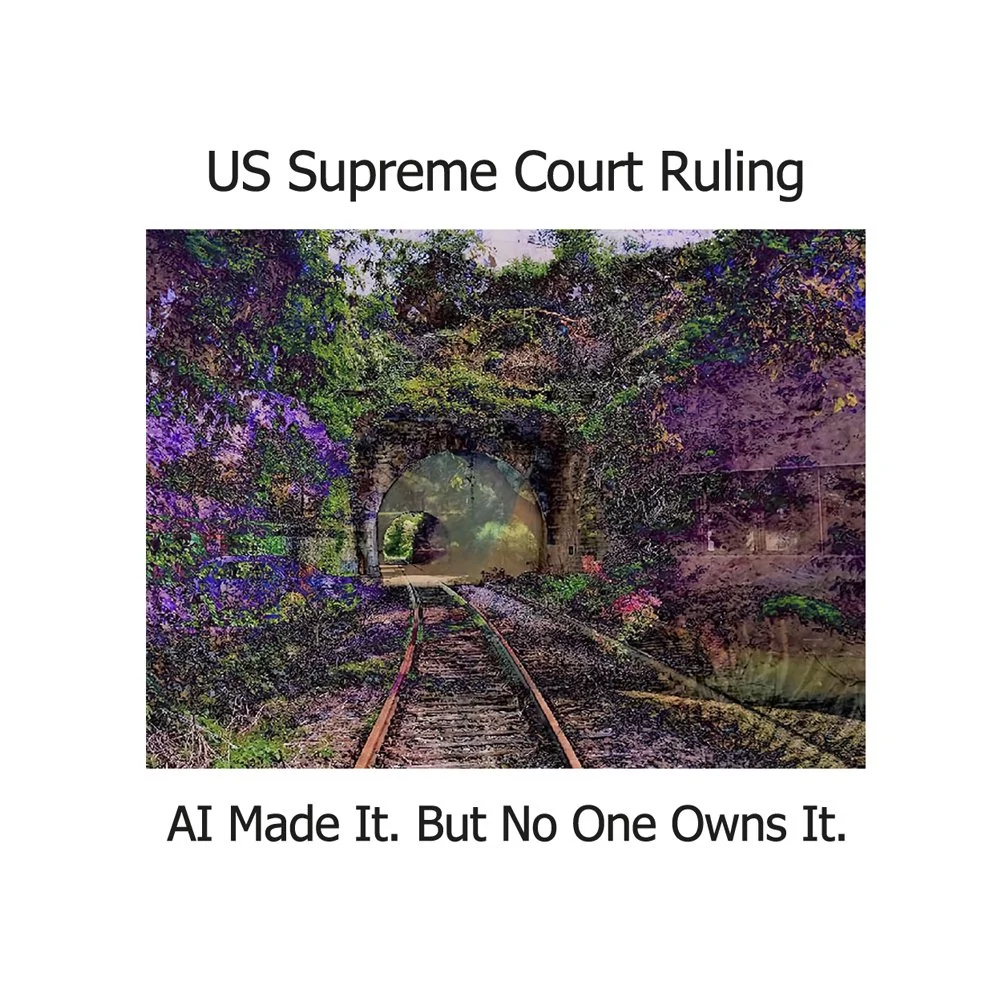
The Supreme Court Just Ruled That AI Can't Own Its Art. Good.
When the Supreme Court refused to hear Thaler v. Perlmutter in 2026, it settled something creatives needed to hear: AI can't own what it makes. Here's what happened, why one scientist spent years trying to copyright a machine's painting, and what the ruling actually means for artists, photographers, filmmakers, and writers going forward.

Marketing For Artists: Why Your Portfolio is Invisible (And How to Fix It Without Social Media)
Your portfolio site is live — so why is no one finding it? Learn why Google ignores most creative websites and how guest posting can fix it for free.

5 Design Roadblocks That Kill Creativity — and How Small Businesses Overcome Them
"It’s almost never a deficiency of your imagination. It’s a conflict of creative intent against real-world restrictions...Small businesses do not win by matching resources. They win by being deliberate with limits."

When Visibility Becomes Part of the Creative Process
The creative process doesn’t end at completion. It ends at connection... Being seen is not the opposite of creativity. It is part of creativity.

Survival Guide: Living the Artist Dream
You can be brilliant with a paintbrush, voice, camera, or choreography—and still struggle to pay rent. That gap between talent and livelihood isn’t a myth; it’s documented. In 2024, Spotify touted $10B in royalties—yet only a small fraction of artists reach a living wage from those payouts, highlighting how income skews toward a tiny tier at the top. Meanwhile, the median pay for fine artists in the U.S. remains modest relative to the cost of building a career—studio time, gear, travel, promotion—long before anyone sees your work. And it’s not just music or visual art—survey data shows many professional musicians earn low annual income from music alone and must juggle multiple roles to make ends meet.

How Creative Marketing Really Amplifies Brand Stories in the Digital Age
In a world of endless scrolling, creativity isn't decoration—it's differentiation. A digital strategist shares why brands need to stop chasing complexity and start chasing meaning, using lessons from a local gym and Nike.

Why “Minimum” and “Viable” Still Matter in Modern Product Design
When Airbnb first launched in 2008, it wasn’t a polished global platform. It was two founders renting out air mattresses in their apartment during a conference. No sleek UI, no sophisticated pricing models, no control systems, but just a scrappy website and the need to pay rent. But guess what? That simple experiment validated one powerful truth. People were willing to pay to stay in someone else’s home. That was their Minimum Viable Product that worked just enough to test the core assumption.